
Fitness Gloves can make training more comfortable by reducing friction, improving grip, and adding a small layer of protection where barbells, dumbbells, and machines usually chew up your skin.
If you lift, use cables, row, cycle, or even do high-rep kettlebell work, you’ve probably felt the same annoying pattern: hotspots first, then calluses, then a tear that makes the next week of workouts feel way harder than it needs to be. Gloves won’t solve every hand issue, but they can remove a lot of unnecessary hassle.
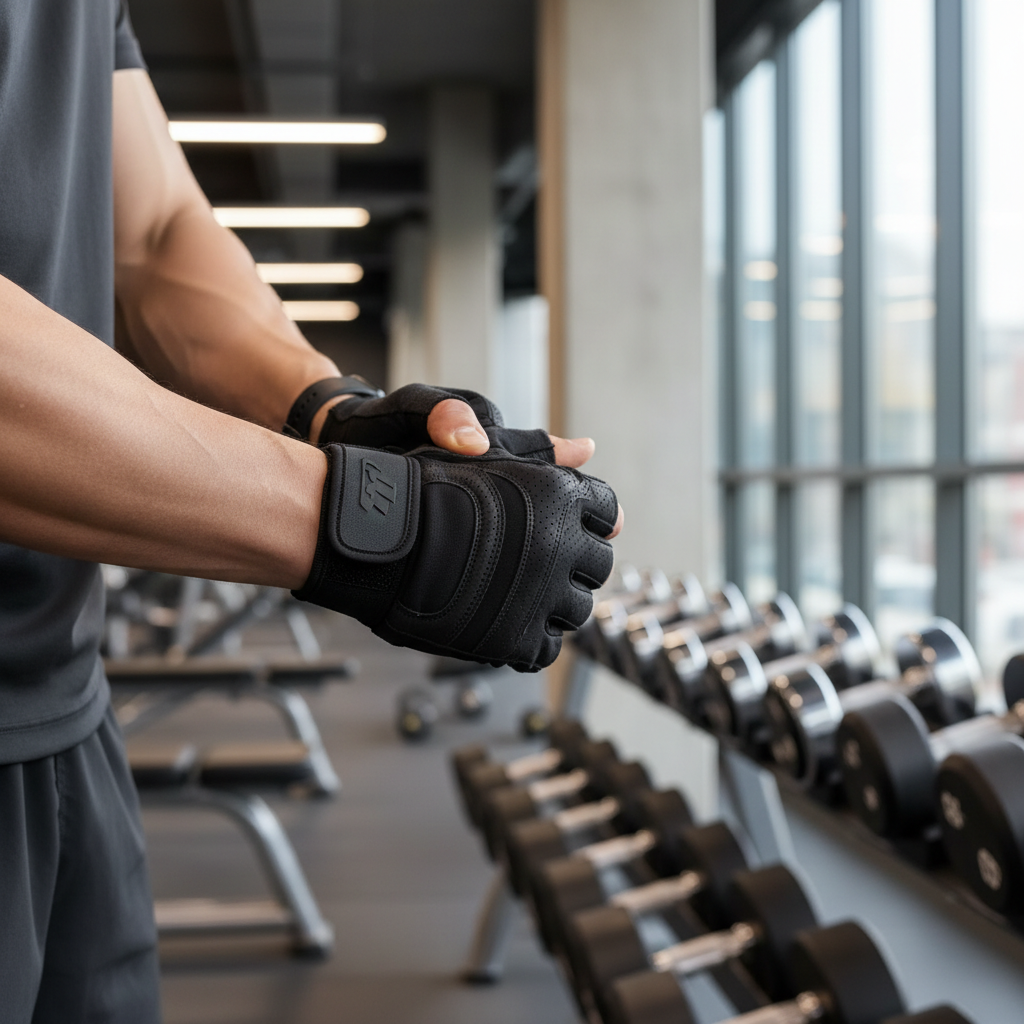
What matters is picking the right type for your training and using them correctly. This guide breaks down why hands get beat up, how to tell whether gloves are a good idea for you, and what to look for so you don’t end up with bulky gear that slips, bunches, or feels worse than bare hands.
Why hands get wrecked in the gym (and what gloves actually change)
Most “hand damage” in training comes from a simple combo: pressure + repeated sliding. A bar knurling pattern, a rowing handle, or a pull-up bar creates friction, and your skin responds by thickening into calluses.
Gloves mainly change two things: they reduce direct friction on skin and they can slightly increase surface grip, depending on material. That helps in a few common situations.
- High-volume pulling (rows, lat pulldowns, pull-ups): repeated handle movement is prime callus territory.
- Rough or aggressive knurling: some barbells feel like sandpaper, especially on higher-rep sets.
- Sweaty hands: moisture can make handles feel slippery, forcing a tighter squeeze that fatigues forearms faster.
- Existing tears: gloves can act like a temporary barrier while skin calms down, though you still need to manage the wound.
But here’s the trade-off: too much padding can reduce your ability to “feel” the handle, and poor fit can create new hot spots. So the goal is not maximum armor, it’s controlled protection without losing control.
Quick self-check: do you actually need Fitness Gloves?
Some people love gloves, some hate them, and both can be right. Use this quick check to sort yourself.
- You’ll likely benefit if you get frequent callus tears, your gym bars are rough, or you do lots of cables/rowing.
- You might skip gloves if your grip strength is a priority sport-wise (certain strength sports), and you’re willing to manage calluses with care.
- You should be cautious if you’ve had numbness/tingling in hands, wrist pain, or skin conditions—gloves can sometimes hide a grip issue that needs attention.
According to the American Academy of Dermatology Association, calluses form from repeated friction or pressure, and keeping skin protected and cared for can reduce cracking and irritation. Gloves are one way to reduce that friction, but they work best alongside basic skin maintenance.
Types of fitness gloves (and which workouts they match)
“Gym gloves” isn’t one category. The details matter because your training style drives what will feel good.
Fingerless training gloves
The most common pick for lifting. Fingerless styles keep dexterity for adjusting pins, clipping collars, and using your phone without peeling gloves off.
- Best for: free weights, machines, general strength training
- Watch for: palm bunching that creates ridges
Full-finger gloves
More coverage, sometimes more warmth, often better for outdoor training or cycling. For lifting, full-finger can feel “too much” unless you need coverage for skin sensitivity.
- Best for: cycling, outdoor workouts, cold garages, sensitive skin
- Watch for: reduced bar feel and sweaty fingers
Grips / palm guards (minimalist protection)
Not always marketed as gloves, but many lifters use palm guards for pull-ups and gymnastics-style work. They cover the palm where tearing happens and leave most of the hand open.
- Best for: pull-ups, rings, kettlebell swings (for some), high-rep pulling
- Watch for: sizing—too big can fold under load
How to choose: fit, padding, material, and closure
If you only remember one thing, make it this: fit beats features. A fancy glove that slides is worse than no glove.
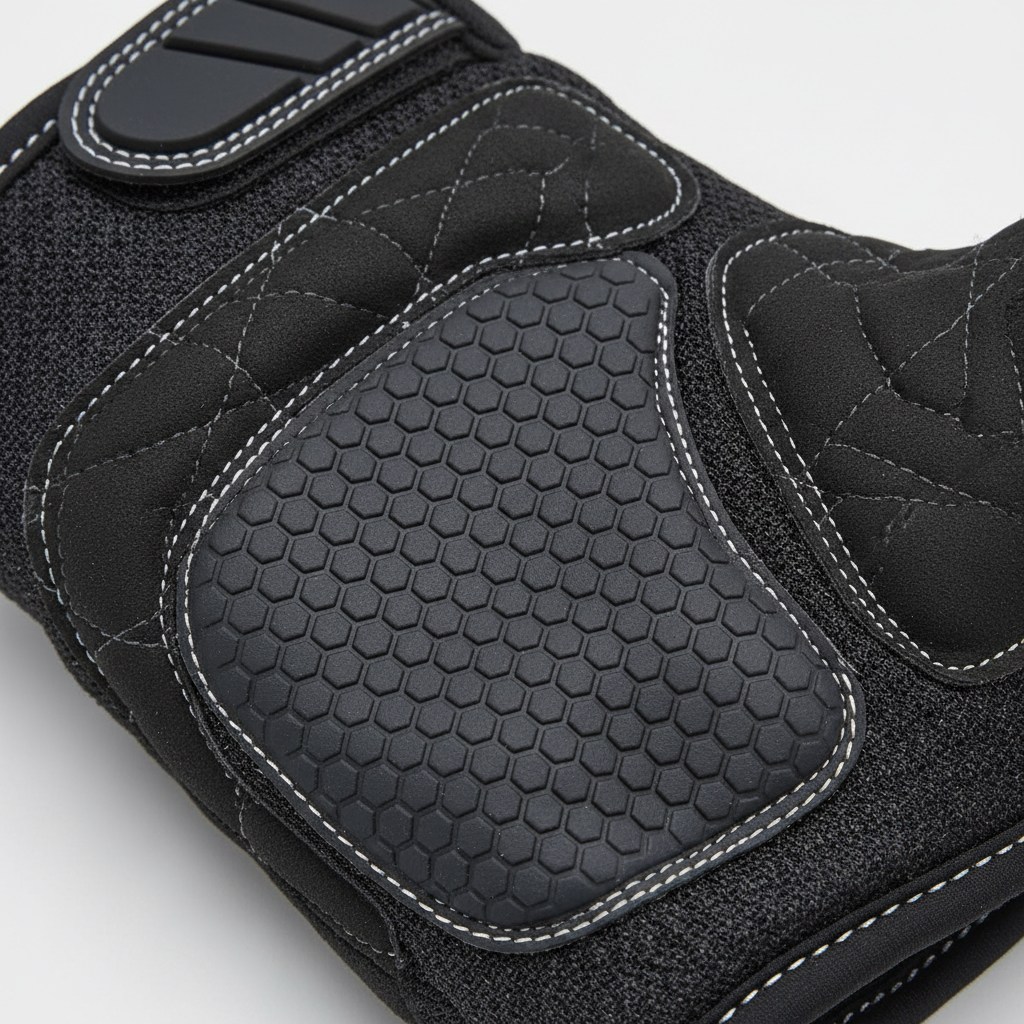
Here’s what experienced buyers usually check first.
- Palm padding placement: you want padding where the bar sits, not a thick slab across the whole palm.
- Grip material: leather tends to be durable, synthetic can be grippier, silicone prints can help on smooth handles.
- Breathability: mesh panels reduce sweat buildup, which helps prevent slipping and odor.
- Seams: bulky internal seams often cause blisters, especially near the base of fingers.
- Wrist closure: a simple Velcro strap stabilizes fit; don’t confuse this with true wrist wraps (different job).
One more practical detail: if you’re between sizes, most people do better with the snugger option, unless you have circulation issues or swelling during training.
Key point table: what to buy based on your training
If you want a quick match without overthinking it, use this as a starting point.
| Training focus | Recommended glove style | What to prioritize | Common mistake |
|---|---|---|---|
| General weight training | Fingerless | Snug fit, moderate palm padding, breathability | Overly thick padding that dulls grip |
| High-rep pull work (rows/pull-ups) | Palm guards or thin fingerless | Palm coverage, minimal bulk, low-friction seams | Loose gloves that fold and pinch |
| Cycling / rowing machines | Full-finger or fingerless | Sweat control, grip texture, abrasion resistance | Ignoring ventilation, leading to slipping |
| Outdoor / cold-weather training | Full-finger | Warmth + grip, flexible fingers | Stiff materials that reduce control |
| Mixed workouts (HIIT + weights) | Light fingerless | Easy on/off, breathable back, secure closure | Choosing “bulky protection” that slows transitions |
How to use gloves without creating new problems
Gloves aren’t “set and forget.” Small tweaks keep them helpful instead of annoying.
Practical setup steps
- Start with your first warm-up set barehanded if you’re unsure, then put gloves on when load or volume ramps up.
- Position the bar correctly: many calluses come from gripping too deep in the palm. A slightly higher placement can reduce shearing.
- Don’t death-grip: if gloves reduce slipping, you can often relax the squeeze a bit and save your forearms.
- Keep them dry: if they get soaked, take a minute to air out, moisture is where odor and slipping begin.
Callus care still matters
Even with Fitness Gloves, some callus buildup is normal. Many lifters do better with simple maintenance: file thick calluses down occasionally and moisturize so they don’t crack. If you have diabetes, poor circulation, or slow-healing skin, it’s smart to ask a clinician what’s appropriate for you.
Common mistakes and safety notes
Most glove complaints come down to predictable issues. Fixing them usually takes less effort than people expect.
- Buying “one glove for everything”: if you do both heavy barbell work and long rowing sessions, you may need different styles.
- Using gloves to ignore pain: numbness, tingling, or sharp wrist/hand pain deserves attention. According to the National Institute of Neurological Disorders and Stroke (NINDS), persistent numbness or tingling can be a sign of nerve irritation that may need medical evaluation.
- Assuming more padding equals more protection: extra bulk can increase handle diameter, forcing a more open grip and earlier fatigue.
- Not washing them: bacteria love sweat. Follow the label instructions, and air dry fully.
If you have open wounds, spreading redness, warmth, pus, fever, or severe swelling, consider pausing training and consulting a healthcare professional. Gym gear can trap moisture, which may worsen skin irritation in some cases.
Key takeaways + a simple buying plan
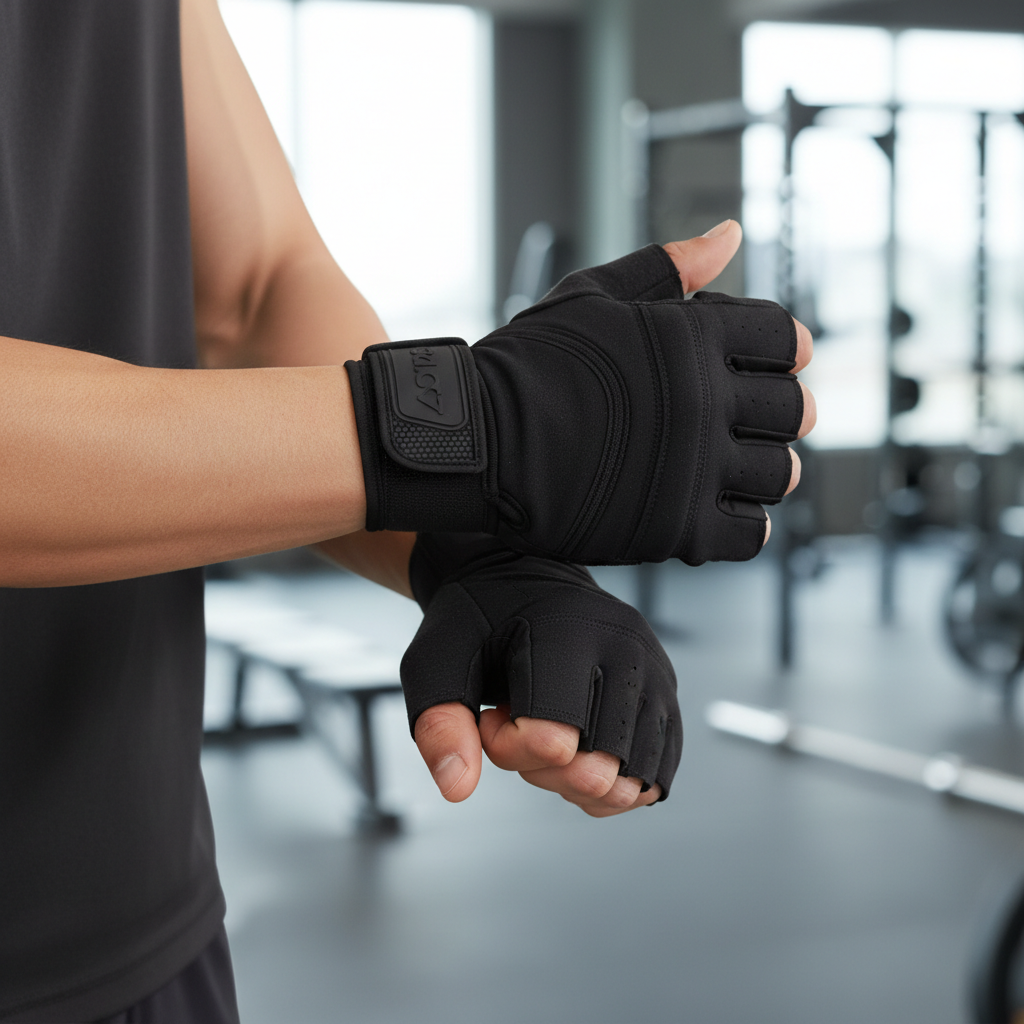
If your hands feel torn up, Fitness Gloves are often a practical fix, but only when fit and design match your training. Thin, well-fitted gloves usually beat thick, squishy ones, and breathability matters more than people think.
- If you lift mostly weights, start with fingerless gloves with targeted palm padding and a secure closure.
- If you tear during pull-ups or high-rep pulling, consider minimalist palm guards or thin gloves with low-bulk seams.
- If sweat drives slipping, prioritize grip texture and ventilation, not extra padding.
Action step: measure your hand, check the brand sizing chart, and choose the smallest size that feels snug without numbing your fingers. Then test them on a normal session before you commit to a full week of training.
FAQ
Do Fitness Gloves prevent calluses completely?
Usually not. They can reduce friction and slow callus buildup, but gripping pressure still exists. Many people still benefit from basic callus care, especially if they train often.
Are gloves bad for grip strength?
They can be, depending on thickness and fit. A bulky glove may make the handle feel larger and reduce control. If grip strength is a main goal, a thinner option (or using gloves only on high-volume days) often makes more sense.
Should I choose leather or synthetic materials?
Leather often holds up well and feels natural over time, while synthetic materials may offer more tacky grip and easier cleaning. The “better” choice depends on how sweaty your hands get and whether you value durability or feel.
Can I use Fitness Gloves for pull-ups?
You can, but a lot of people prefer minimalist palm guards for pull-ups because they reduce bunching near the fingers. If you do use gloves, prioritize a snug fit and minimal seams.
What’s the difference between lifting gloves and wrist wraps?
Many gloves have a small wrist strap that mainly secures fit. Wrist wraps are made to add wrist support under pressing loads. If your wrists need support, look for dedicated wraps or ask a coach to check your form.
How tight should gym gloves be?
Tight enough that the palm doesn’t slide or wrinkle when you grip a handle, but not so tight that fingertips tingle or turn pale. If you feel numbness, loosen or size up.
How do I clean gloves without ruining them?
Follow the care label. Many synthetic gloves tolerate gentle washing and air drying, while leather usually needs spot cleaning and thorough drying away from heat. Skipping cleaning tends to shorten glove life fast.
If you’re deciding between a couple glove styles and want a more “no regrets” pick, focus on your top two movements that irritate your hands most, then choose protection for that exact friction point—your hands usually tell you what the product page won’t.