
Posture correction exercises can make a noticeable difference when you feel stuck in a slouch, your shoulders round forward at a desk, or your low back keeps “doing all the work.” The goal is not perfect posture, it’s a body that can move between positions without strain.
Most “bad posture” is a mix of tight tissue, underused muscles, and routines that keep you in one shape for hours. If you only stretch, you may feel better for 20 minutes, if you only strengthen, you may reinforce compensations. The sweet spot is a simple sequence you can repeat often enough to stick.
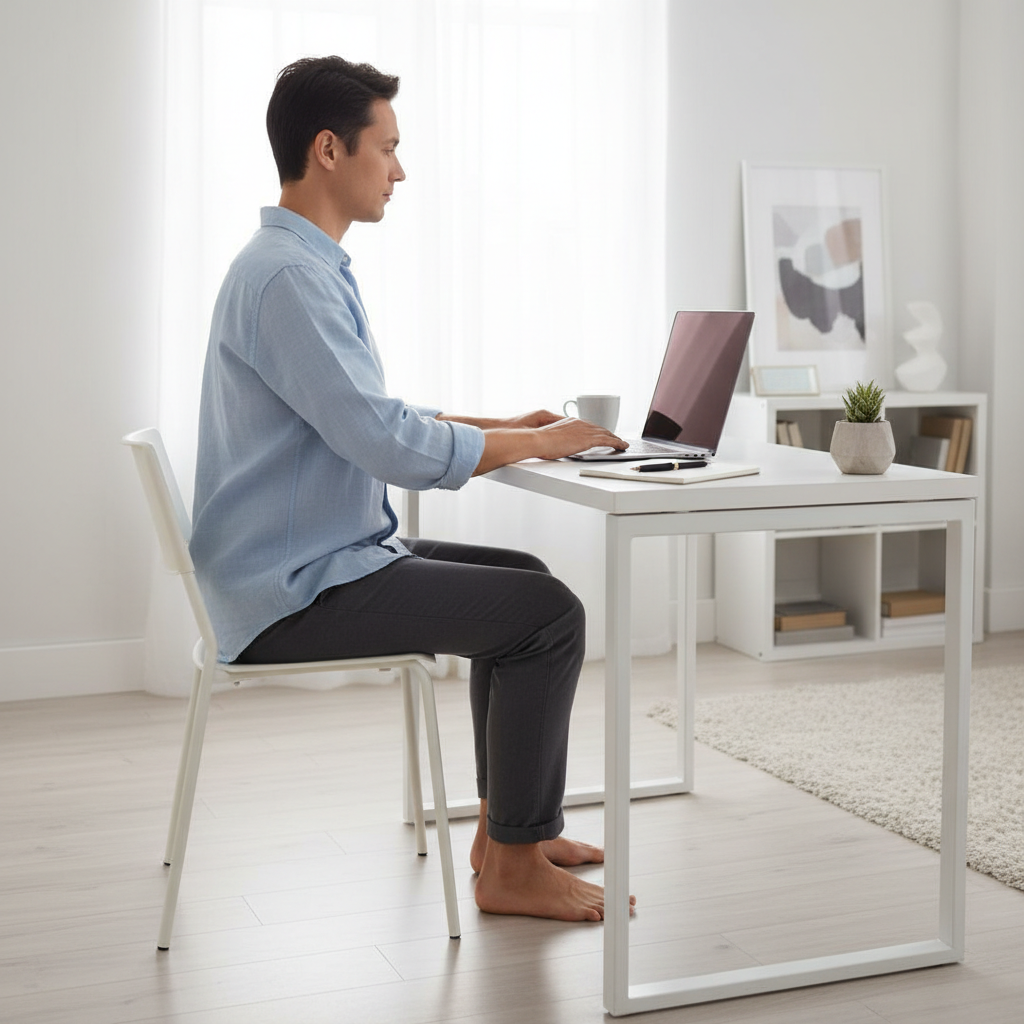
Below you’ll get a quick self-check, a set of posture-focused moves for the upper back, shoulders, hips, and core, plus a realistic plan for busy weeks. If you have sharp pain, numbness, or symptoms after an injury, it’s smart to loop in a qualified clinician.
Why posture gets “bad” in real life
Bad posture usually isn’t laziness, it’s adaptation. Your body gets efficient at the positions you repeat most, even if those positions are not comfortable long-term.
- Long sitting blocks: hips stay flexed, upper back stays rounded, neck juts forward to meet screens.
- Weak or “sleepy” stabilizers: mid-back, glutes, deep core, and lower traps stop contributing as much.
- Breathing pattern shifts: chest breathing can keep ribs flared and shoulders elevated, making “stand up straight” feel impossible.
- One-sided habits: carrying a bag on one shoulder, always turning toward one monitor, dominant-side reaching.
According to the National Institute of Neurological Disorders and Stroke (NINDS), persistent back pain and related issues may involve muscles, joints, nerves, and posture habits, which is why a mixed approach often works better than a single fix.
2-minute self-check: what type of posture issue do you have?
This isn’t a diagnosis, it’s a way to choose exercises that fit your pattern. You only need a wall and a quick body scan.
Wall check
- Stand with heels 2–4 inches from a wall, hips and upper back gently touching.
- Notice where you “lose contact.” Is the head far from the wall? Is the low back overly arched?
- Aim for “comfortable neutral,” not forcing your spine flat.
Common patterns
- Forward head + rounded shoulders: tight chest/upper traps, weaker mid-back/lower traps.
- Anterior pelvic tilt (rib flare, low-back arch): tight hip flexors, underactive glutes/deep core.
- Stiff upper back: limited thoracic extension, shoulders compensate.
If more than one pattern fits, that’s normal. Use the sequence below, then bias your “extra sets” toward your biggest limiter.
The exercise menu (pick 6–8): mobility + activation + strength
These posture correction exercises work best when you pair a “loosen” move with a “teach” move, then finish with something that builds strength you can keep.
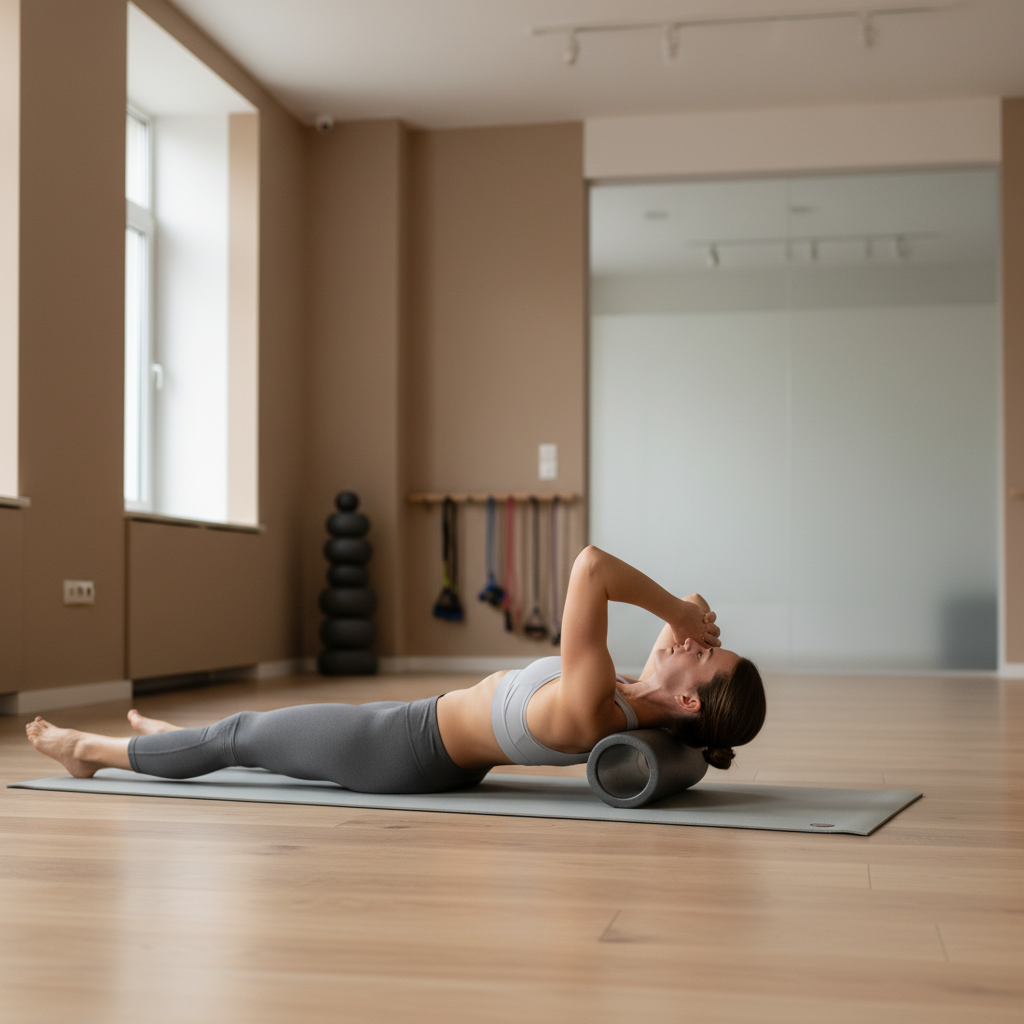
Upper back and shoulders
- Thoracic extension on foam roller: 6–8 slow reps, pause on stiff spots, keep ribs from flaring.
- Wall slides (with chin tucked): 2 sets of 8–12, move slowly, keep wrists close to the wall as able.
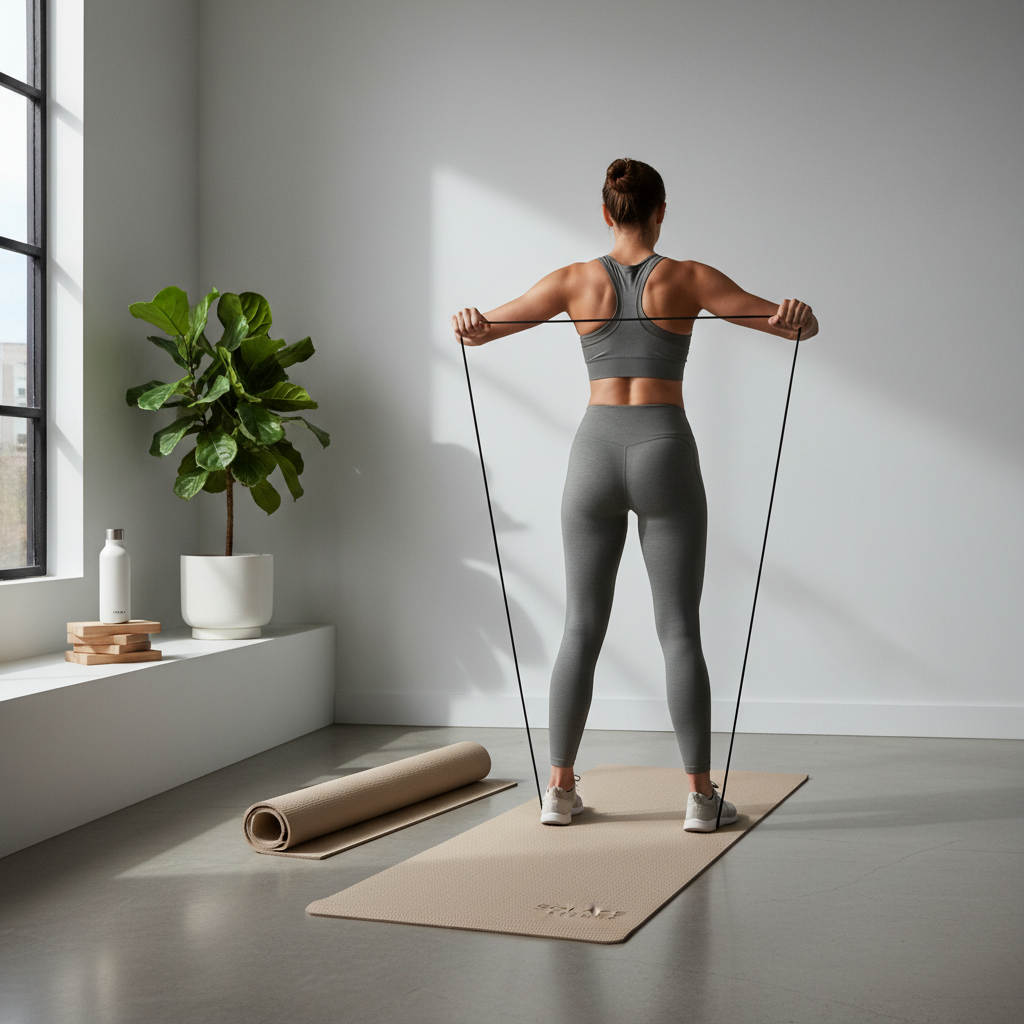
- Band pull-aparts: 2–3 sets of 10–15, shoulders down, squeeze shoulder blades “back and down.”
- Doorway pec stretch: 30–45 seconds each side, gentle tension only.
Neck and deep stabilizers
- Chin tucks (lying or standing): 2 sets of 6–10, think “double chin,” not neck flexion.
- Isometric neck holds: light hand pressure to forehead/side, 5–10 seconds, 3–5 rounds.
Hips, glutes, and core
- Half-kneeling hip flexor stretch: 30–45 seconds each side, squeeze glute on the kneeling leg.
- Glute bridge: 2–3 sets of 8–12, ribs down, push through heels, avoid low-back cranking.
- Dead bug: 2 sets of 6–10 per side, slow exhale as leg extends, low back stays controlled.
- Side plank (short lever): 2 sets of 15–30 seconds per side, aim for a straight line ear-to-ankle.
A simple 10-minute routine (and a 3-minute desk version)
If you only do one thing, do the 10-minute routine three or four days per week. Consistency beats variety here.
10-minute posture reset
- Thoracic extension on foam roller: 6 reps
- Half-kneeling hip flexor stretch: 30 seconds each side
- Wall slides: 10 reps
- Dead bug: 8 reps per side
- Band pull-aparts: 12 reps
- Glute bridge: 10 reps
3-minute desk version (no equipment)
- Chin tucks: 6 reps, slow
- Seated thoracic extension (hands behind head, gentle): 6 reps
- Standing doorway pec stretch: 30 seconds each side
- 10 deep nasal breaths: long exhale, shoulders relaxed
What to do if you train, run, or lift (so posture work actually carries over)
Many people do posture correction exercises, then immediately return to the same patterns in workouts. A few small cues can change that.
- Before lifting: add 1 set of wall slides and 1 set of bridges as part of warm-up, it “turns on” the right areas.
- During rows/lat pulldowns: keep ribs stacked over pelvis, avoid shrugging into the neck.
- During squats/deadlifts: brace with an exhale, then inhale into the belly and sides, not just the chest.
- For runners: sprinkle chin tucks and band pull-aparts after runs, when you tend to collapse forward.
According to the American Council on Exercise (ACE), balanced training that improves mobility and strengthens supporting muscles can help movement quality, which is often what people mean when they say they want “better posture.”
Quick reference table: match the problem to the fix
Use this table when you’re short on time and want to target the most likely limiter.
| What you notice | Likely contributor | Start with | Then add |
|---|---|---|---|
| Head drifting forward | Weak deep neck flexors, stiff upper back | Chin tucks | Thoracic extension, wall slides |
| Rounded shoulders | Tight pecs, underactive mid-back | Doorway pec stretch | Band pull-aparts, wall slides |
| Low-back “pinch” when standing tall | Hip flexor tightness, rib flare | Half-kneeling hip flexor stretch | Dead bug, glute bridge |
| Shoulders up by ears | Overactive upper traps, weak lower traps | Slow exhale breathing | Wall slides, rows with shoulder depression |
Common mistakes that keep posture from improving
- Forcing “military posture” all day: it often shifts into rib flare and neck tension, which can backfire.
- Stretching only what feels tight: tightness can be a stability problem, strengthen alongside mobility.
- Doing everything once per week: smaller daily doses usually beat a long session you dread.
- Ignoring workstation setup: if your screen sits too low, your neck still pays the bill.
Key takeaway: aim for a posture that feels easy to maintain, then train your body to return to it automatically.
When it’s time to get professional help
If you’re dealing with posture changes plus symptoms that feel “off,” don’t push through blindly. Getting assessed can save time.
- Pain radiating down an arm or leg, numbness, tingling, or weakness
- Headaches that worsen with neck movement
- Symptoms after a fall, car accident, or sports injury
- Night pain, unexplained weight loss, fever, or other systemic symptoms
According to the Centers for Disease Control and Prevention (CDC), people should seek appropriate medical evaluation when pain is severe, persistent, or paired with concerning symptoms. If you’re unsure, a physical therapist or licensed clinician can help sort out what’s safe.
Conclusion: make posture work boring, repeatable, and effective
Posture changes usually come from repetition, not one magic stretch. Pick a short routine, keep the mobility-to-strength balance, and check in with your desk and phone habits so your work supports your effort.
If you want an easy next step, choose six moves from the menu, do them for 10 minutes on Monday, Wednesday, Friday, then add the 3-minute desk reset on the other days when you remember. That combo is simple enough to last.
FAQ
How long do posture correction exercises take to work?
Many people feel small changes in stiffness within a week or two, but lasting improvement often depends on how consistently you practice and whether your daily setup keeps pulling you back into the same posture.
Can I fix rounded shoulders with stretching only?
Stretching can help if your chest feels tight, but rounded shoulders often involve weak mid-back and lower-trap muscles too, so adding pulling and scapular control work tends to matter.
Are posture braces a good idea?
They can be a short-term reminder in some cases, but if you rely on a brace all day, your muscles may do less work. If you try one, pair it with strengthening and use it sparingly.
What if these exercises make my neck or back hurt?
Stop the movement that triggers sharp pain, reduce range of motion, and reassess form. If pain persists, or you have tingling or weakness, consult a qualified professional before continuing.
How many days per week should I do posture work?
Three to four focused sessions per week works for many schedules, plus brief “micro-break” resets on workdays. The best plan is the one you actually repeat.
Which posture correction exercises are best for desk workers?
Chin tucks, wall slides, thoracic extension, and a pec stretch cover most desk-related patterns, especially when combined with short breaks and a screen height that doesn’t force your head forward.
Do I need equipment?
Not necessarily. A wall and floor space get you far, though a light resistance band and a foam roller can make upper-back and shoulder work easier to scale.
If you’re doing these consistently and still feel stuck, or you want a plan tailored to your sport, job setup, and pain triggers, it may be worth having a physical therapist or qualified coach build a simple progression you can follow without overthinking.