
Best cycling shoes for road bike shoppers usually aren’t stuck on “which brand is cool,” they’re stuck on fit, cleats, and whether a pricier sole actually feels better on long rides. If you buy the wrong pair, you’ll know fast: hotspots, numb toes, unstable pedaling, and that annoying feeling your foot never “locks in.”
This guide is built around how road shoes behave in real riding, not just spec sheets. You’ll get a practical comparison table, a quick self-check to narrow your options, and buying advice that matches common U.S. rider scenarios, from weekend groups to indoor training.
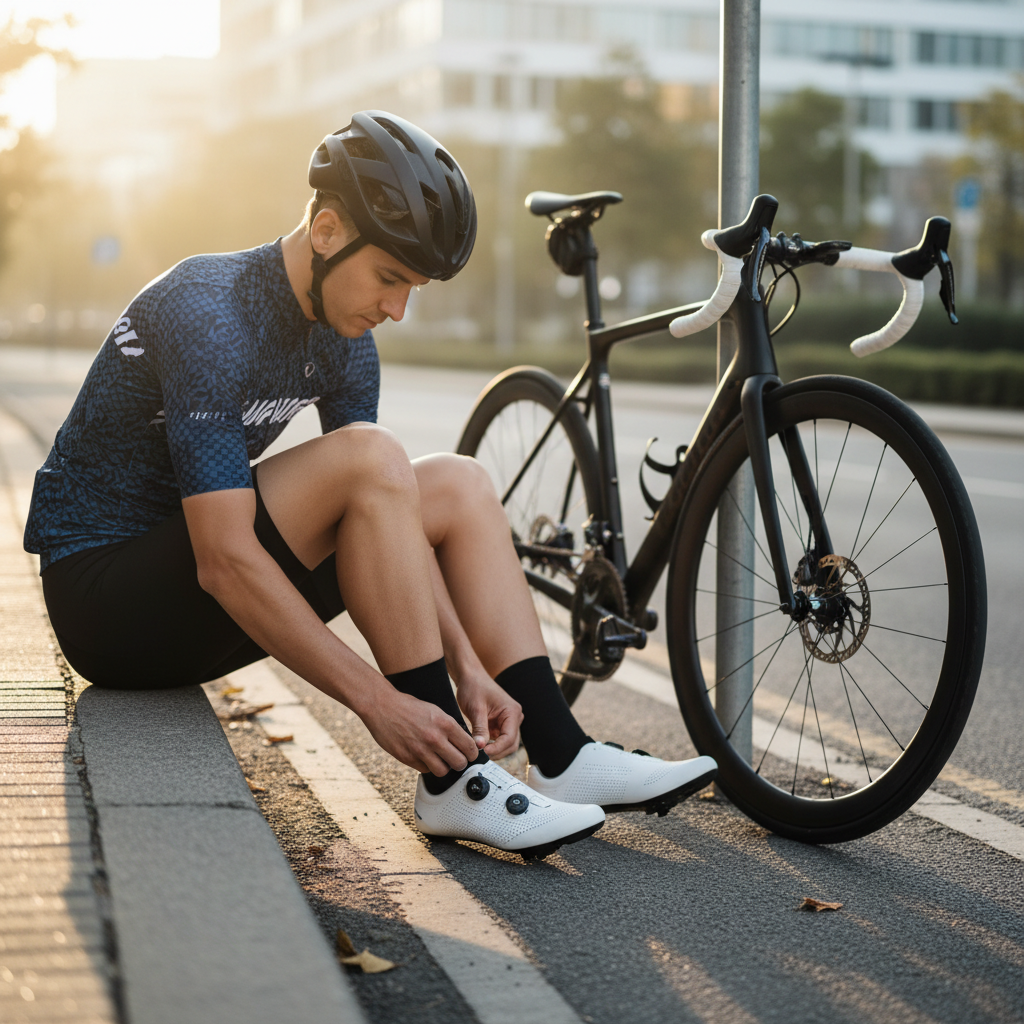
One quick note before we get deep: shoe comfort is personal, and foot shape matters more than the “2026 best-of” hype. Use this as a filter, then confirm with sizing, return policy, and ideally a short indoor test ride.
Key takeaways before you shop
If you only remember a few things, make them these. They’ll save you time and reduce expensive trial-and-error.
- Fit beats everything. The best carbon sole won’t help if your forefoot is cramped or your heel lifts.
- Stiffness should match your riding. Big-mile group rides and hard intervals benefit from stiffer soles, casual riding often feels better with a bit more give.
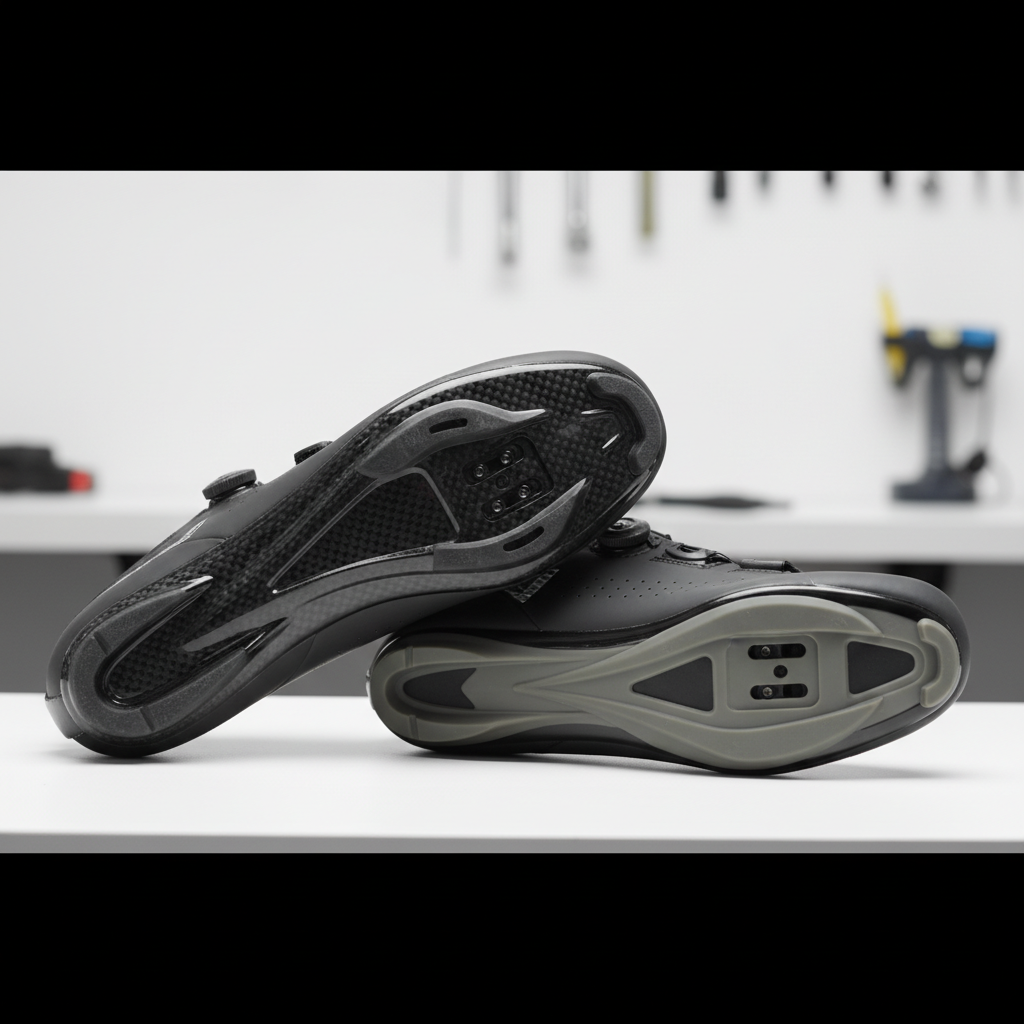
- Cleat compatibility is non-negotiable. Most road shoes use 3-bolt (Look/SPD-SL). Two-bolt SPD is usually “gravel/commute,” unless the shoe is a 2-bolt road-style model.
- Closure is about micro-adjustment. Dual dials tend to hold tension more evenly than single dial or basic Velcro, but good laces can feel surprisingly “even” too.
What “best” really means for road cycling shoes in 2026
People search best cycling shoes for road bike expecting one winner, but road shoes are a set of trade-offs. In 2026, most major brands already make shoes that are “good enough” on performance, so the difference shows up in details you feel after 60–120 minutes.
Fit: last shape, toe box, and heel hold
Two shoes can share the same labeled size and still feel totally different. A narrow heel with a wider forefoot is common, and it’s also where many riders get hotspots because the shoe “fits” until the straps crank down. If your heel lifts, you’ll often over-tighten the forefoot, and numbness follows.
Sole stiffness: power transfer vs. comfort
Stiff soles reduce flex under load, which many riders perceive as a more direct pedal feel. But stiffness can magnify fit issues, especially at the ball of the foot. If you’re newer, heavier, or doing more endurance riding, a slightly less stiff sole may feel better day-to-day.
Ventilation and temperature range
Vent channels and breathable uppers help in summer, but very airy shoes can feel cold in shoulder seasons. In many U.S. climates, riders end up using toe covers or overshoes rather than buying one “do-it-all” option.
Adjustability: BOA, straps, laces
Dual-dial systems typically make it easier to tune midfoot and forefoot separately. That said, some feet simply like the smooth pressure of laces. Don’t assume “more tech” automatically means more comfort.
Quick comparison table: choose your shoe type
Instead of pretending there’s one perfect model, use this table to match your riding and priorities. Think of it as the short list builder.
| Rider profile | What to prioritize | Typical sole | Closure | Budget range (often) |
|---|---|---|---|---|
| New to road clipless | Comfort, easy returns, walkability | Nylon/composite | Strap or single dial | $100–$200 |
| Weekend group rides | Heel hold, stable platform, ventilation | Composite to carbon | Dual dial or dial + strap | $180–$350 |
| Performance-focused training | Stiffness, micro-adjust, low weight | Carbon | Dual dial | $250–$450 |
| Long-distance endurance | Pressure distribution, room for swelling | Composite/carbon with supportive footbed | Dual dial or laces | $200–$400 |
| Indoor training heavy use | Durability, easy cleaning, consistent fit | Composite | Dial or straps | $120–$250 |
If your riding crosses categories, choose based on what bothers you most now. Numb toes and hotspots usually mean you should focus on fit and foot support before chasing ultra-stiff soles.
Self-check: how to tell what you actually need
Before you hunt for the best cycling shoes for road bike, answer these quickly. They point you toward the right shape and feature set.
- Where do you feel discomfort? Toes often mean tight toe box, forefoot pressure often means you’re over-tightening to fix heel slip.
- Do your feet swell on rides? Many riders need a bit more volume for 2+ hour rides, even if the shoe feels perfect at the store.
- How important is walking? Traditional road shoes are slippery; if you’re off the bike a lot, consider grippier heel pads or a walkable design.
- What pedals/cleats do you run? Most road pedals use 3-bolt. If you’re using SPD, confirm the shoe supports 2-bolt or has an adapter option.
- Any history of numbness? This can be cleat position, saddle height, or shoe fit. Shoes matter, but they’re not always the only cause.
According to American Podiatric Medical Association (APMA) general footwear guidance, fit and proper support matter for foot comfort. Cycling-specific fit can be even less forgiving, since you’re applying steady pressure through a small contact area.
How to pick road cycling shoes step by step
This is the practical flow many riders end up following after a few wrong purchases. It’s boring, but it works.
1) Start with the right size strategy (not just your sneaker size)
Use a brannock measurement if you can, then check each brand’s sizing chart. Some brands run long, others run narrow, and “true to size” can mean different things across lines. If you’re between sizes, your decision should depend on volume: tight uppers and narrow lasts rarely “break in” enough to fix numbness.
2) Decide your closure based on pressure points
- Dual BOA/dials: great when you need separate forefoot and midfoot control.
- Single dial + strap: often fine for most riders, less cost.
- Laces: even pressure, fewer hard points, but less convenient mid-ride.
3) Choose a stiffness tier you’ll actually enjoy
Very stiff carbon shoes can feel incredible under hard efforts, but they can also feel harsh if your fit is slightly off. If you’re unsure, aim mid-range: supportive enough for strong pedaling, forgiving enough for long rides.
4) Check cleat mounting and adjustability
Look for enough fore-aft range to place cleats where your knees feel happiest. If you have recurring knee pain, it’s smart to be cautious here and consider a bike fit session with a qualified fitter. Cleat setup is one of those “small changes, big impact” areas.
Practical setup tips after you buy
Even the best cycling shoes for road bike can feel wrong with a rushed setup. Give yourself a calm 30–45 minutes with basic tools.
- Set cleats neutral first: start centered left-to-right, moderate fore-aft, then make tiny changes after short rides.
- Mark your starting point: a bit of tape or a photo helps you undo a bad tweak.
- Indoor test before outdoor: if possible, do a trainer ride to catch pressure points while you can still return them clean.
- Consider insoles carefully: some riders benefit from more arch support, others feel worse. If you suspect structural foot issues, a podiatrist or fitter may help.
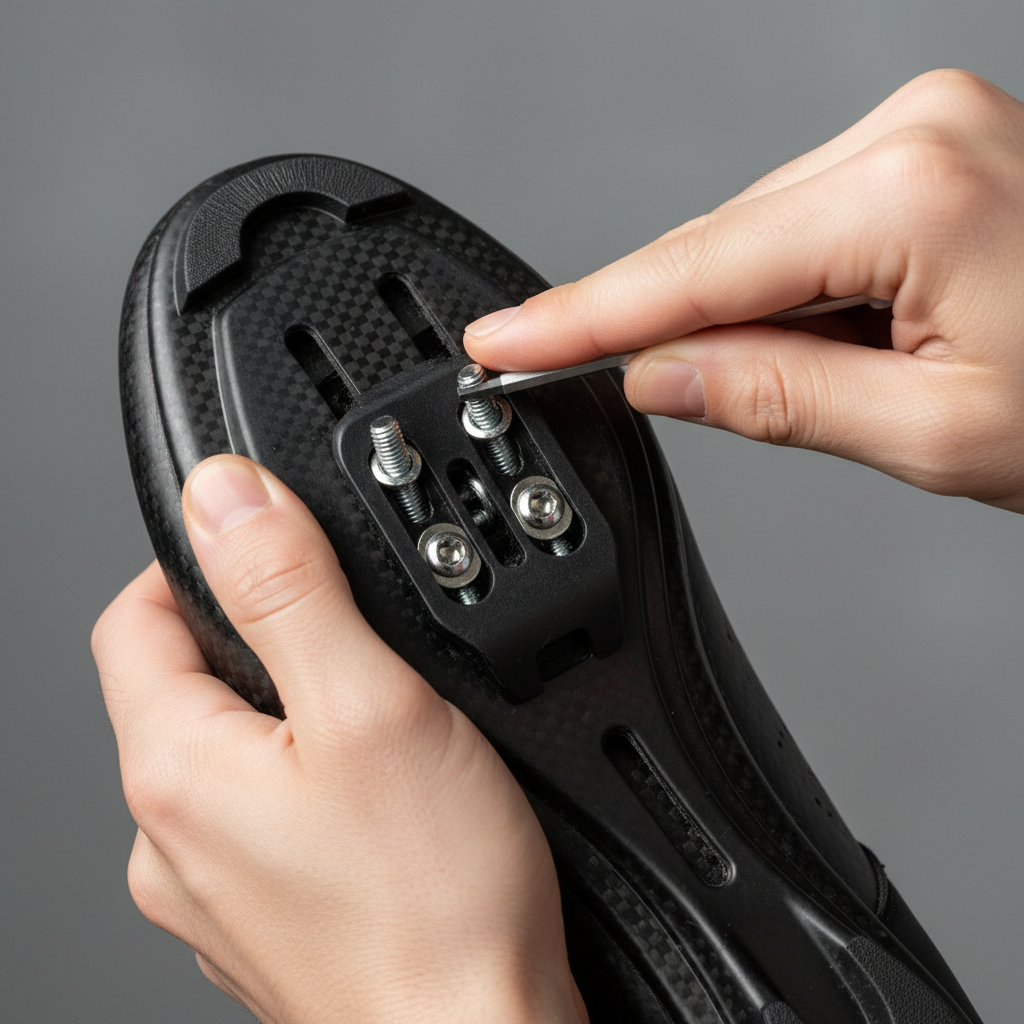
If you feel numbness quickly, don’t just tighten harder. Loosen, reassess cleat position, and confirm the shoe isn’t too narrow across the metatarsals. Many “shoe problems” are really “pressure distribution problems.”
Common mistakes (and what to do instead)
- Buying ultra-stiff race shoes to fix power loss: if your foot moves inside the shoe, stiffness won’t fix it, better heel hold and correct sizing might.
- Ignoring width: a wide foot in a standard last creates hotspots even if length feels right, look for wide versions where available.
- Assuming pain means you need to break them in: mild upper stiffness may soften, but pinch points and numbness usually persist.
- Copying a friend’s cleat position: leg length, foot angle, and saddle height differ, start neutral and adjust slowly.
- Skipping return-policy math: shoes are one of the few cycling items where easy returns can matter as much as features.
According to USA Cycling, proper equipment fit and setup contribute to comfort and control on the bike. That idea applies directly to shoes: comfort issues often become technique issues over time.
When it’s worth getting professional help
If you’ve tried two shoe sizes, adjusted cleats carefully, and you still get numbness or sharp pain, it may be time to bring in a pro. A qualified bike fitter can check cleat alignment, saddle height, and stance width, which can all influence foot pressure.
If you have persistent tingling, burning pain, or symptoms that show up off the bike too, it’s reasonable to consult a medical professional. This article can’t diagnose anything, and pushing through nerve-like symptoms is usually a bad bet.
Conclusion: the “best” choice is the one you can forget about mid-ride
The best cycling shoes for road bike are the pair that disappear once you start pedaling: no hotspots, no heel slip, no constant fiddling with tension. If you do nothing else, prioritize fit and cleat compatibility, then choose the stiffness and closure that match your real riding week.
Action step: pick one rider profile from the table, order two sizes if you’re between, and do a short indoor test ride before committing. It’s the simplest way to land on the right pair without guesswork.
FAQ
What cleats do road cycling shoes use in the U.S.?
Most road shoes are drilled for 3-bolt cleats, commonly used by Look-style and Shimano SPD-SL road pedals. If you’re using 2-bolt SPD, confirm the shoe supports it or choose a shoe designed for that system.
How tight should road cycling shoes feel?
Snug, not crushing. Your heel should feel secure without needing to over-tighten the forefoot. If your toes tingle within minutes, the shoe may be too narrow or the closure tension is uneven.
Are carbon soles always better?
Not automatically. Carbon tends to be lighter and stiffer, which can feel great for hard efforts, but comfort can suffer if the fit is slightly off. Many riders do very well in mid-range composite soles.
How do I choose between BOA dials and laces?
BOA-style dials are convenient for micro-adjusting during a ride. Laces can spread pressure evenly and feel comfortable for long steady rides, but you give up quick on-the-fly changes.
Why do my feet go numb even with “good” shoes?
Numbness can come from shoe width, overtightening, cleat placement, or even overall bike fit. Try loosening the forefoot, rechecking cleat position, and if it persists, consider a fitting session.
Do I need wide road cycling shoes?
If you routinely feel pressure across the ball of the foot, or you’re sizing up just to get width, a wide last is worth trying. It often solves hotspots without compromising heel hold.
How long do road cycling shoes last?
It varies with mileage, indoor trainer use, and walking. Uppers and closure systems often outlast heel pads and hardware, so inspect wear points and replace cleats regularly for safer engagement.
If you’re trying to narrow down options quickly, a simple “fit-first” shortlist can save hours: identify your cleat system, pick the stiffness tier you’ll enjoy, then focus on brands that match your foot shape and return policy so you can confirm comfort without stress.