Best road bike under 1000 shopping gets confusing fast, because the bikes all look similar on paper, yet they feel wildly different once you ride them.
If you want a road bike under $1,000 in 2026, the “best” choice usually comes down to three things: fit (comfort and control), gearing (how hard climbs feel), and brakes (confidence in traffic and wet conditions). The trick is knowing what matters most at this price, and what marketing terms you can safely ignore.
This guide is built for real buying decisions: what specs to prioritize, which configurations tend to disappoint, and how to pick a model that you will still enjoy after the “new bike” excitement fades.
What “best” means under $1,000 (and what it usually doesn’t)
At this budget, you’re balancing value and compromise. You can absolutely get a fast, fun road bike, but you typically won’t get every premium feature at once.
- Fit beats specs: a mid-level drivetrain on a bike that fits well often rides better than nicer parts on the wrong size.
- Disc vs rim brakes: mechanical discs are common under $1,000, and they’re fine when set up well, but they need occasional adjustment.
- Aluminum is normal: most bikes here use aluminum frames with a carbon or alloy fork. Full carbon bikes exist, but they often cut corners elsewhere.
- Weight differences are smaller than people think: tires, tubes, and wheels affect “feel” more than saving 300 grams on a frame.
According to Bicycling Magazine and other long-running cycling publications, rider position and contact points (saddle, bars, tires) strongly shape comfort and performance, which is why fit and setup deserve your attention even more than a one-step upgrade in components.
Quick checklist: are you a “road bike under $1,000” shopper or a used-bike shopper?
Before comparing models, decide whether new makes sense for you. New bikes offer warranty and less risk, while used bikes can deliver better components if you know what to check.
New under $1,000 makes sense if…
- You want a warranty, shop support, or easy returns.
- You prefer a predictable, ready-to-ride setup.
- You’re buying your first drop-bar bike and want less maintenance uncertainty.
Used may be smarter if…
- You want hydraulic disc brakes or higher-tier components without stretching budget.
- You can inspect wear items (chain, cassette, brake pads/rotors) or have a shop do it.
- You’re okay with possible tune-up costs right away.
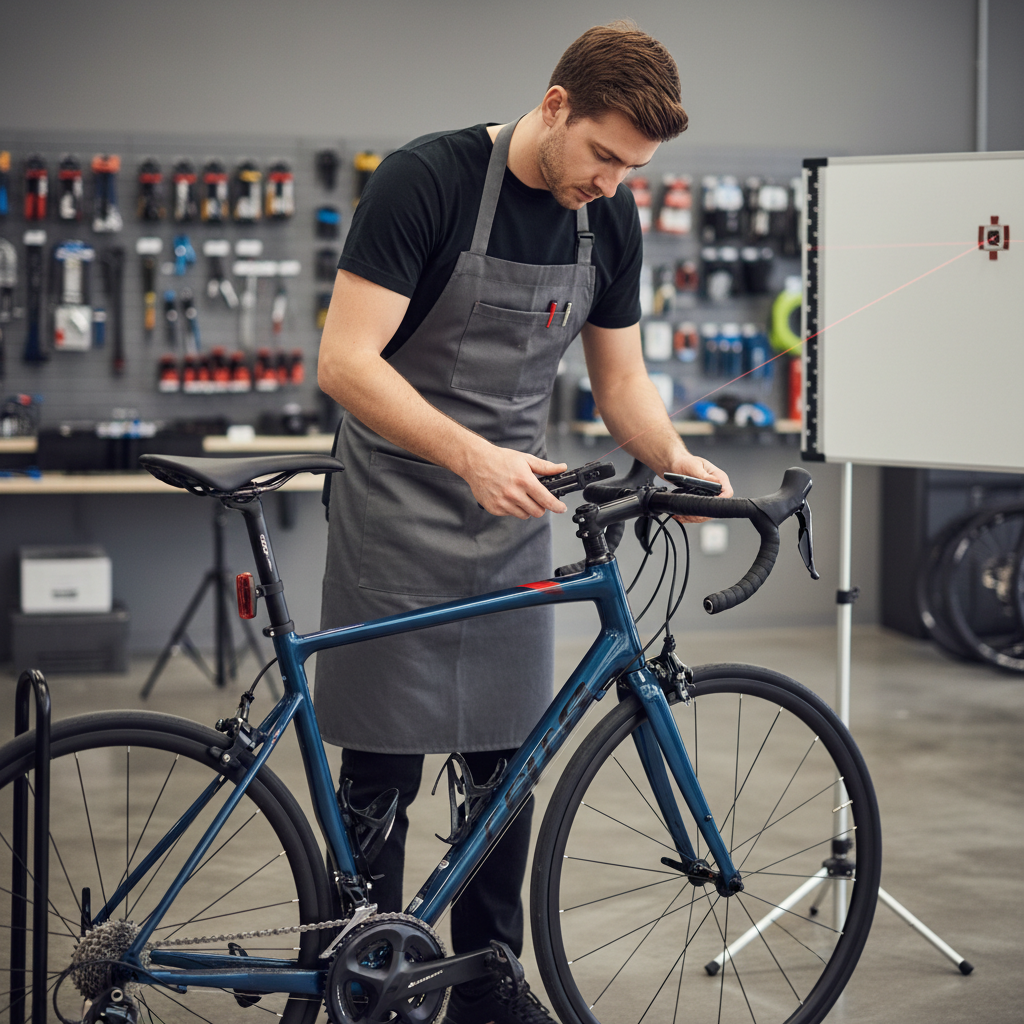
If you’re still undecided, a simple tie-breaker helps: if a surprise $150–$250 service bill would sour the experience, lean new. Many riders underestimate that part.
Key specs that actually change the ride
When people ask for the best road bike under 1000, they often focus on brand names. In practice, these spec areas are what you feel every ride.
1) Drivetrain and gearing (especially for hills)
- 2x vs 1x: a 2x setup (two front chainrings) offers tighter gear spacing, useful for steady road pace.
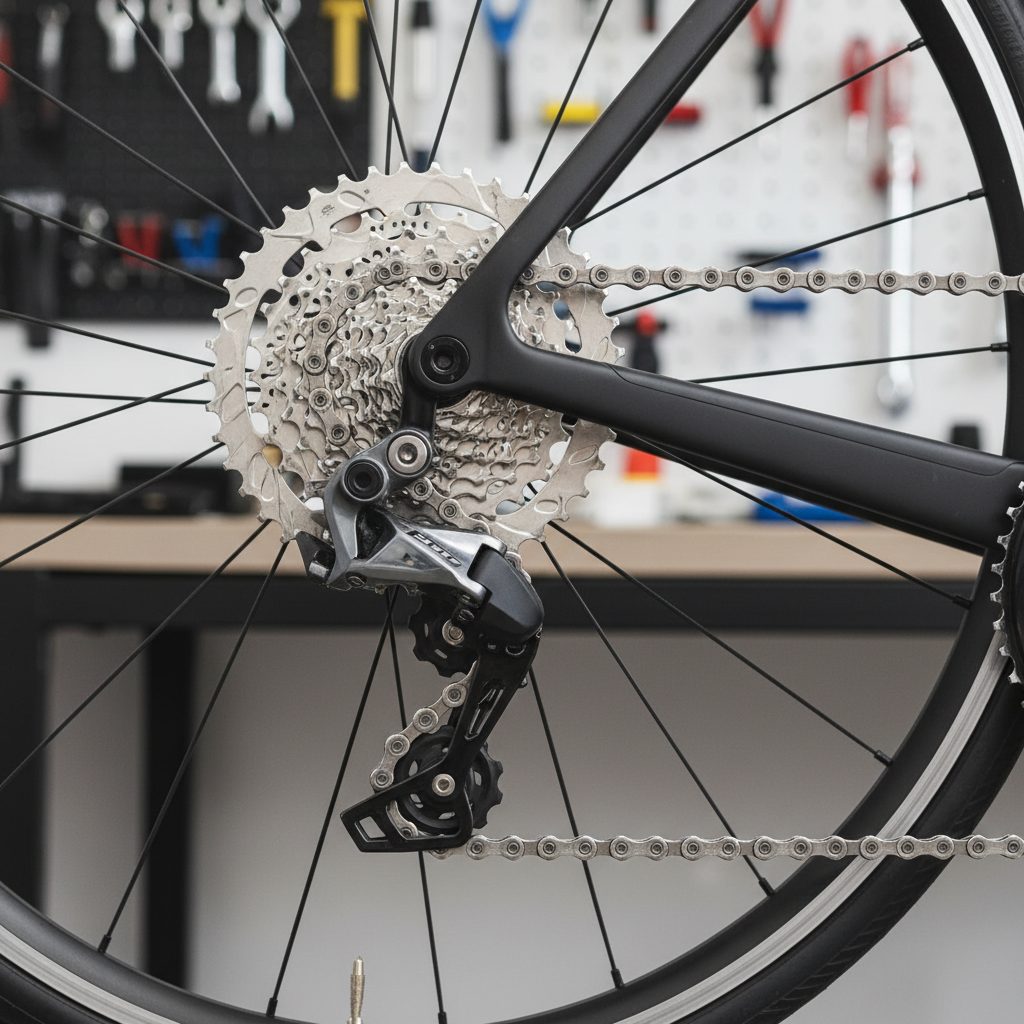
- Climbing range: if you live near steep grades, look for a wide-range cassette (often 32T or 34T big cog). Exact compatibility varies by groupset.
- Shifting tiers: Shimano Claris/Sora or MicroSHIFT equivalents are common. They can work great when adjusted correctly, but cable stretch and housing quality matter.
2) Brakes: confidence matters more than hype
- Mechanical disc brakes: easy to service, decent power, but they may require more frequent lever feel tuning.
- Rim brakes: still fine in dry climates, often lighter and simpler, though wet performance can be less reassuring.
According to Shimano and other major component manufacturers, brake performance depends heavily on correct setup and compatible pads/rotors, so don’t treat “disc” as an automatic win without considering adjustment and maintenance.
3) Tire clearance and stock tires
One of the quiet upgrades in recent years is wider tire support. If the frame fits 28–32mm tires, you can often get more comfort and grip without losing much speed.
- Look for clearance that supports at least 28mm (many modern entry road bikes do).
- Budget for tires if reviews mention harsh ride or frequent flats, because tires change the bike more than most entry-level component swaps.
Top picks: best road bike under $1,000 by rider type (2026)
Instead of claiming one universal winner, this shortlist matches common U.S. buyer scenarios. Availability changes by region and season, so treat these as “types of bikes to target,” then confirm current spec and price.
| Rider type | What to prioritize | Typical sweet-spot spec under $1,000 | Why it’s a good buy |
|---|---|---|---|
| First-time road rider | Fit, stable handling, easy servicing | Aluminum frame, carbon/alloy fork, 2x drivetrain, mechanical disc | Forgiving learning curve, shop-friendly parts |
| Commuter who also trains | Mount points, tire clearance, reliable brakes | Disc brakes, room for 30–32mm tires, durable wheels | Better in bad weather, fewer “tiny problems” over time |
| Weekend group rides | Efficient gearing, responsive feel | 2x with tighter gear steps, lighter wheelset if possible | Easier to hold pace and cadence in a pack |
| Hilly area rider | Low climbing gears, comfortable position | Wide-range cassette (32T/34T), compact crank | Less grinding, more consistent training |
Key point: on many sub-$1,000 bikes, the “model name” matters less than the exact build kit shipped that year. Always verify the drivetrain level, brake type, and tire clearance for the specific listing.
How to choose in 20 minutes: a practical in-store (or at-home) test
You don’t need a lab to pick the best road bike under 1000 for your body and roads. You need a quick, repeatable check that reveals red flags.
- Size sanity check: you should reach the hoods without locking elbows, and you shouldn’t feel like you’re “falling” onto the bars.
- Shifting under light load: on a short incline or using a trainer, shift up and down a few gears, listen for chain rub that won’t settle.
- Brake feel: levers should feel firm before they approach the bar. Spongy feel on mechanical discs often signals setup or cable issues, not necessarily a bad bike.
- Slow-speed handling: do a tight U-turn and a one-hand moment, if safe. Twitchy steering can be geometry or simply the wrong size.
If you’re buying online, replicate as much as you can: confirm standover and reach with the brand’s size chart, then plan a first-week tune-up or at least a careful bolt check. This step looks boring, but it prevents the early “why does this feel off?” spiral.
Smart upgrades (and what to skip) on a $1,000 road bike
Most riders don’t need to upgrade everything. A few targeted changes can make a budget bike feel dramatically better, while other upgrades burn cash with little payoff.
Upgrades that usually feel worth it
- Tires: better puncture protection or faster rubber changes comfort, grip, and speed.
- Contact points: saddle and bar tape improve comfort more than you expect.
- Pedals and shoes: going clipless is optional, but good flat pedals and proper shoes still help.
Upgrades to be cautious with
- Wheelsets: great upgrade, but often too expensive to justify on day one unless you find a deal.
- Chasing one-tier drivetrain jumps: if shifting is messy, a tune and fresh cables may fix it more than a partial groupset swap.
- Carbon bits for bragging rights: seatposts and stems can be nice, but they rarely solve core comfort issues.
Common mistakes that make “good bikes” feel bad
People blame entry-level bikes, but many problems come from setup and expectations.
- Buying too aggressive a position: a lower front end can feel fast for 10 minutes and miserable for 90.
- Ignoring tire pressure: running 28–32mm tires too hard is a common comfort killer. Pressure depends on rider weight and tire type, so use a reputable tire pressure calculator and adjust gradually.
- Skipping the first tune: cables stretch, bolts settle, wheels may need minor truing. A quick follow-up service keeps the bike quiet and crisp.
- Overvaluing frame “stiffness”: for most riders, comfort and traction win more time than a harsh, racey feel.
When it’s worth asking a shop or fitter for help
If you feel numb hands, knee pain, or persistent saddle discomfort, it may be a fit issue rather than “you need a better bike.” Many shops can do a basic fit check quickly, and a dedicated bike fitter can go deeper if needed.
Also, if you’re unsure about brake setup or drivetrain adjustment, getting help is usually safer than trial-and-error at speed. If you ride in traffic or steep descents, conservative choices make sense, and consulting a professional is often the calmer path.
Conclusion: the best pick is the one you’ll ride a lot
The best road bike under 1000 in 2026 is typically the bike that fits your body, matches your local terrain, and has a sensible spec mix you can maintain without drama. Pick the right size first, prioritize gearing and braking for your routes, then save a small budget for tires or a tune.
If you want a simple next step, shortlist two bikes that meet your fit range and have the gearing you need, then choose the one with better shop support or return policy. That’s often what keeps a “good deal” from turning into a slow headache.