Electrolyte Drinks can be the difference between finishing strong and fading late, especially when workouts get hot, long, or both. If you’ve ever felt heavy legs, a headache, or that weird “can’t push” feeling mid-session, you’re not alone, hydration strategy usually needs more than plain water.
The tricky part is that the “best” option depends on what you’re doing and how you sweat, a marathoner’s needs rarely match a casual lifter’s, and a salty sweater in Texas won’t match someone training indoors in Seattle. That’s why picking a bottle based only on flavor or a trending label often backfires.
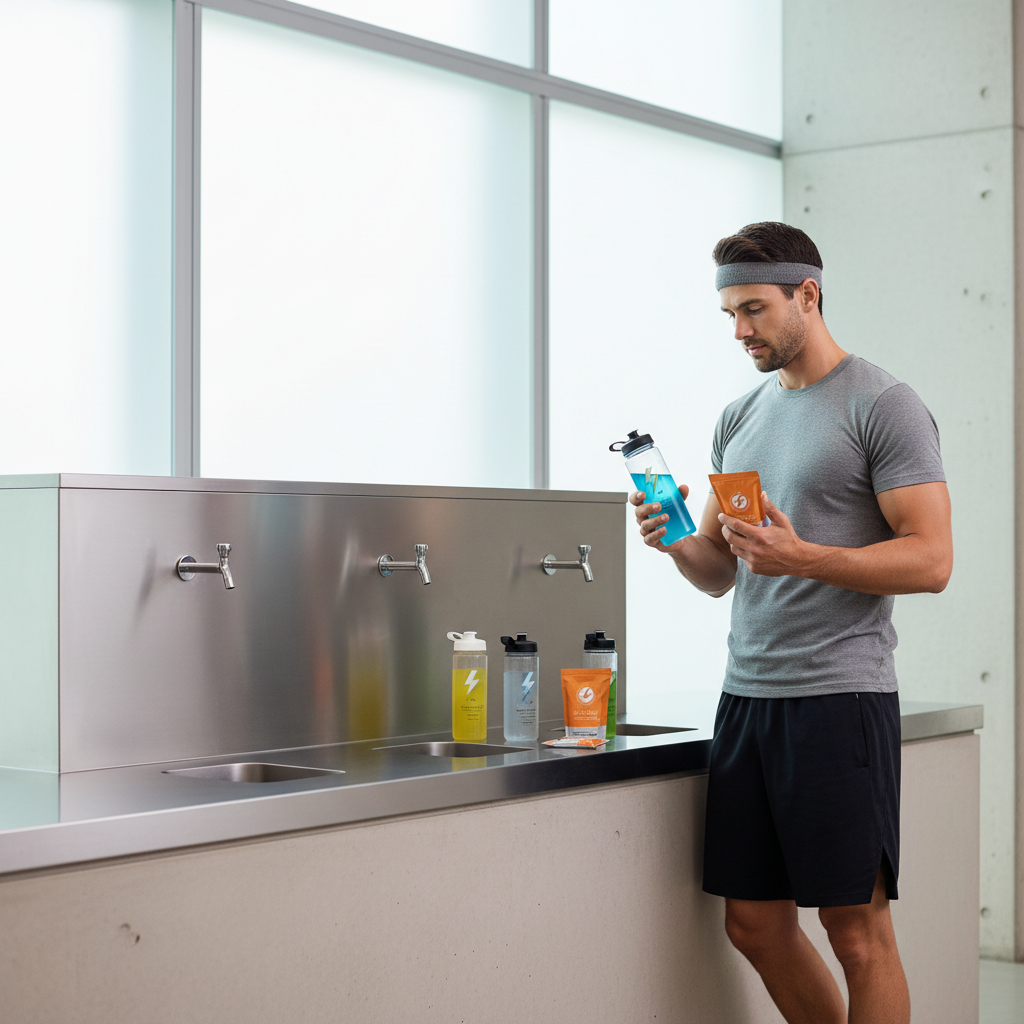
This guide helps you match drink type to training session, read labels without getting lost, and build a simple plan you can repeat on long runs, bike rides, team practices, or long shifts outdoors. I’ll also call out common “healthy” choices that cause stomach issues or under-deliver on sodium.
What electrolytes actually do for athletes
Electrolytes are minerals that carry electrical charge, your body uses them for fluid balance, nerve signaling, and muscle contraction. The big ones in sports hydration: sodium, potassium, magnesium, and calcium.
- Sodium: the main driver for retaining fluids and replacing what you lose in sweat, often the key variable for endurance performance.
- Potassium: supports muscle and nerve function, but usually lost in smaller amounts than sodium.
- Magnesium: involved in muscle function and energy metabolism, some athletes tolerate it poorly in higher doses during exercise.
- Calcium: supports muscle contraction, less commonly the limiting factor during a single session.
According to American College of Sports Medicine (ACSM), endurance athletes often benefit from beverages that include both fluids and electrolytes, and for longer sessions, carbohydrates can support performance. That’s a fancy way of saying your “best” drink may need fuel, not just minerals.
Why athletes struggle with hydration (real-world causes)
Most hydration problems come from a mismatch: what you drink doesn’t match your sweat loss, session length, intensity, or gut tolerance. A few patterns show up again and again.
- You replace water but not sodium, so you keep peeing, still feel flat, and cramps may show up late.
- You pick a low-sodium “wellness” mix for a long, hot workout, it tastes good but doesn’t do much.
- You go too concentrated (strong mix, lots of sugar, too much at once), then GI distress becomes the limiter.
- You wait until you’re thirsty, then try to catch up quickly, which rarely works mid-effort.

Also worth saying out loud: some people are simply “salty sweaters.” You see white streaks on a hat, shirt, or your skin stings when sweat dries. In those cases, higher-sodium Electrolyte Drinks often feel noticeably better.
Quick self-check: what type of electrolyte drink do you need?
If you want a fast decision, use this as your filter. You can refine later.
- Under 60 minutes, easy to moderate: water usually works, add a light electrolyte option if it’s hot or you cramp easily.
- 60–120 minutes: electrolytes start to matter more, carbs can help if intensity stays moderate-high.
- Over 2 hours or very hot/humid: prioritize sodium plus steady carbs, your “drink” becomes part hydration, part fueling.
- Strength training / CrossFit: electrolytes help if you sweat heavily, you may not need much sugar unless sessions run long.
- Frequent headaches, nausea, or repeated cramps: could be hydration strategy, could be something else, consider talking with a sports dietitian or clinician.
Key point: your best choice depends less on brand and more on sodium level, carb level, and your stomach.
Electrolyte drink types, with a practical comparison table
Labels can feel chaotic, so think in categories. Here’s a straightforward way to compare.
| Type | Best for | What to look for | Common downside |
|---|---|---|---|
| Low-cal electrolyte water | Short sessions, daily hydration | Moderate sodium, minimal additives | Often too low sodium for heavy sweaters |
| Electrolyte + carbs (sports drink) | Hard training 60–120 min | Carbs you tolerate, enough sodium | Too much sugar for easy days |
| High-sodium mix | Hot weather, salty sweaters, long endurance | Higher sodium per serving | Tastes salty, not everyone tolerates it |
| Oral rehydration-style formula | Heavy sweat loss, post-illness, travel | Balanced glucose + sodium for absorption | Not designed as a “performance fuel” |
| DIY (salt + sugar + water) | Budget, control ingredients | Accurate measuring, consistent recipe | Easy to mess up concentration |
According to Centers for Disease Control and Prevention (CDC), oral rehydration solutions use a specific balance of sugar and salts to help absorption. That doesn’t mean every athlete needs an ORS during training, but it explains why some “simple” formulas work surprisingly well when dehydration is the real issue.
How to choose the best electrolyte drinks (label checklist)
Here’s the label scan I’d do in a store aisle, without overthinking it.
1) Sodium: the first number to check
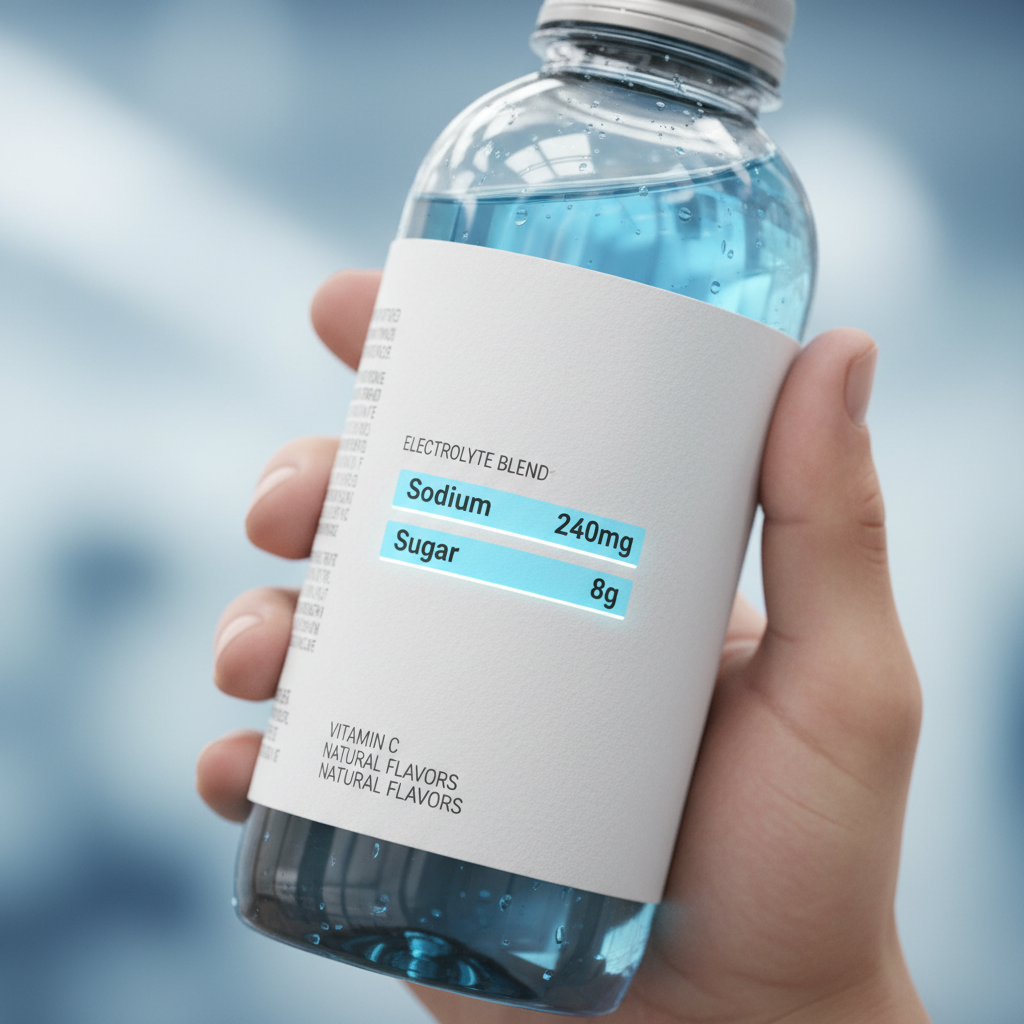
If you sweat a lot, sodium often drives results more than the full mineral “spectrum.” Many products look impressive but include tiny sodium amounts. For long, hot sessions, a higher-sodium option often makes sense, but your exact target varies by athlete and conditions.
2) Carbs: decide if this is hydration, fuel, or both
- No/low carb: better for short or easy sessions, or athletes watching sugar intake.
- Moderate carb: fits tempo runs, long intervals, hard rides, many team sports.
- High carb: typically for long endurance, but only if your gut tolerates it.
3) Sweeteners and sugar alcohols
Some athletes do fine with alternative sweeteners, others get bloating fast. Sugar alcohols (like sorbitol or erythritol) are frequent culprits for GI issues, especially when you’re already bouncing around on a run.
4) Magnesium dose timing
Magnesium can be helpful day to day, but higher amounts during exercise sometimes lead to stomach urgency. If that’s been your experience, pick a product with lower magnesium for training, save magnesium supplements for later, and check with a clinician if you’re unsure.
Best choices by sport and scenario (what usually works)
Rather than naming “one best brand,” this is how I’d match Electrolyte Drinks to common athlete situations, because that’s what actually holds up week after week.
Endurance running, cycling, triathlon
- Long easy base session: electrolyte + moderate carbs if you’re going past 75–90 minutes, otherwise lighter works.
- Race-pace work: carbs plus sodium, avoid new flavors or high-fiber add-ins on key days.
- Heat block: higher sodium becomes more important, consider pairing drink with salty foods pre-session.
Team sports (soccer, basketball, football)
- Practice often has stop-and-go intensity, a moderate-carb sports drink can cover both hydration and some fuel.
- If cramps hit in second half consistently, look at sodium and total fluid timing, not just “more water.”
Strength training, HIIT, CrossFit
- If sessions last under an hour indoors, plain water plus normal meals may be enough.
- If you sweat hard or train in a garage gym, a low-to-moderate carb electrolyte mix often feels better than water alone.
Early morning training with low appetite
If food feels impossible at 5 a.m., a drink with some carbs and sodium can reduce that shaky feeling. Keep it simple, and keep the concentration mild until you know what your stomach accepts.
How to use electrolyte drinks: a simple, repeatable plan
This won’t replace individualized advice, but it’s a solid starting structure that many athletes can run with.
Before training
- Show up already hydrated, chugging right before warm-up rarely fixes yesterday’s deficit.
- For hot or long sessions, consider a small serving of electrolytes ahead of time, especially if you’re a salty sweater.
During training
- For sessions over an hour, sip steadily rather than waiting for thirst to spike.
- If intensity is high, keep your drink concentration within what your gut tolerates, many athletes do better with smaller, more frequent sips.
After training
- If you finish and still feel “dry,” headachey, or wiped, include sodium with your fluids and a normal meal.
- Weighing pre/post workout can help some athletes estimate sweat loss, but don’t let it become an obsession.
Key takeaways:
- Sodium often matters more than an “all minerals” label.
- Match carbs to effort, hydration-only for easy days, fuel-inclusive for long or hard work.
- Gut tolerance decides what’s “best,” test options in training, not on race day.
Mistakes to avoid (these are common)
- Going sugar-free for every session even when you train long and hard, you may be under-fueling and blaming electrolytes.
- Doubling scoops because you “sweat a lot,” then getting stomach cramps and thinking the product is bad.
- Assuming cramps mean low magnesium, cramps are multi-factor, fatigue and pacing can be just as relevant.
- Ignoring medical context, if you have high blood pressure, kidney issues, or take certain medications, higher sodium plans deserve a clinician’s input.
When to get professional help
If symptoms keep repeating despite reasonable hydration changes, it’s worth getting a second set of eyes. A sports dietitian can help you estimate sweat rate and build a plan, and a clinician can rule out issues that mimic “just dehydration.”
- Frequent dizziness, fainting, confusion, or severe headache during/after exercise
- Persistent nausea or vomiting with training
- Recurring cramps that don’t respond to pacing, training load changes, and hydration tweaks
- Medical conditions where sodium intake needs monitoring
According to Mayo Clinic, heat-related illness can escalate quickly and may require medical attention. If you suspect heat exhaustion or heat stroke, treat it as urgent, not a hydration “experiment.”
Conclusion: picking the “best” electrolyte drink is really about matching the job
The best Electrolyte Drinks for athletes tend to be the ones you can tolerate, dose consistently, and match to your real sessions, not the most complicated formula. Start by choosing your category: hydration-only for short/easy work, electrolytes plus carbs for long/hard work, and higher-sodium options when heat and heavy sweat change the math.
If you want a simple next step, pick one product in each category you might use, test them on normal training days, and keep notes on energy, bathroom stops, and how you feel the next morning. That tiny bit of feedback beats guessing every time.
FAQ
- Are electrolyte drinks better than water for athletes?
For many short workouts, water is fine. Electrolytes become more helpful when sweat loss is high, heat rises, or sessions go long enough that sodium and fuel start limiting performance. - How do I know if I need more sodium in my drink?
If you see salt stains on clothes, sweat stings your eyes badly, or you cramp late in hot sessions, you might benefit from higher sodium. It’s still worth testing gradually, and if you have health conditions, ask a professional. - Do electrolyte drinks prevent cramps?
Sometimes they help, especially if cramps relate to heavy sweat loss, but cramps also connect to pacing, fatigue, and training load. If cramps are frequent, consider a broader plan than just swapping drinks. - What should I choose for a half marathon or long ride?
Many athletes do well with electrolytes plus carbs, taken steadily. The exact mix depends on temperature, pace, and what your stomach tolerates, so practice during training blocks. - Are sugar-free electrolyte drinks good for endurance sports?
They can work for shorter endurance sessions or low-intensity work. For races or long hard days, you may still need separate carbs from gels, chews, or a carb-containing drink. - Can I drink too many electrolytes?
Yes, overdoing sodium or concentrating mixes can cause GI distress, and people with certain medical conditions need extra caution. If you feel worse after increasing electrolytes, scale back and consider professional guidance. - Is coconut water a good electrolyte drink for athletes?
It can be refreshing and provides potassium, but it’s often not high enough in sodium for heavy sweaters or long hot sessions unless paired with salty foods or added sodium.
If you’re training for an event or juggling long workouts in heat and you want a lower-friction setup, it can help to build a small “hydration kit” you trust, one higher-sodium option, one carb-inclusive option, and one light daily mix, then rotate based on the session instead of reinventing your plan each week.