
Best bike tail light usb rechargeable usually comes down to three things riders actually feel on the road: drivers notice it fast, the battery lasts long enough for your routine, and the mount doesn’t slip the first time you hit a pothole.
If you’ve ever bought a tail light that looked great online but ended up dim, hard to charge, or constantly falling off, you’re not alone. Rear visibility is one of those purchases where “good enough” can become annoying quickly, and in traffic that’s the last thing you want.
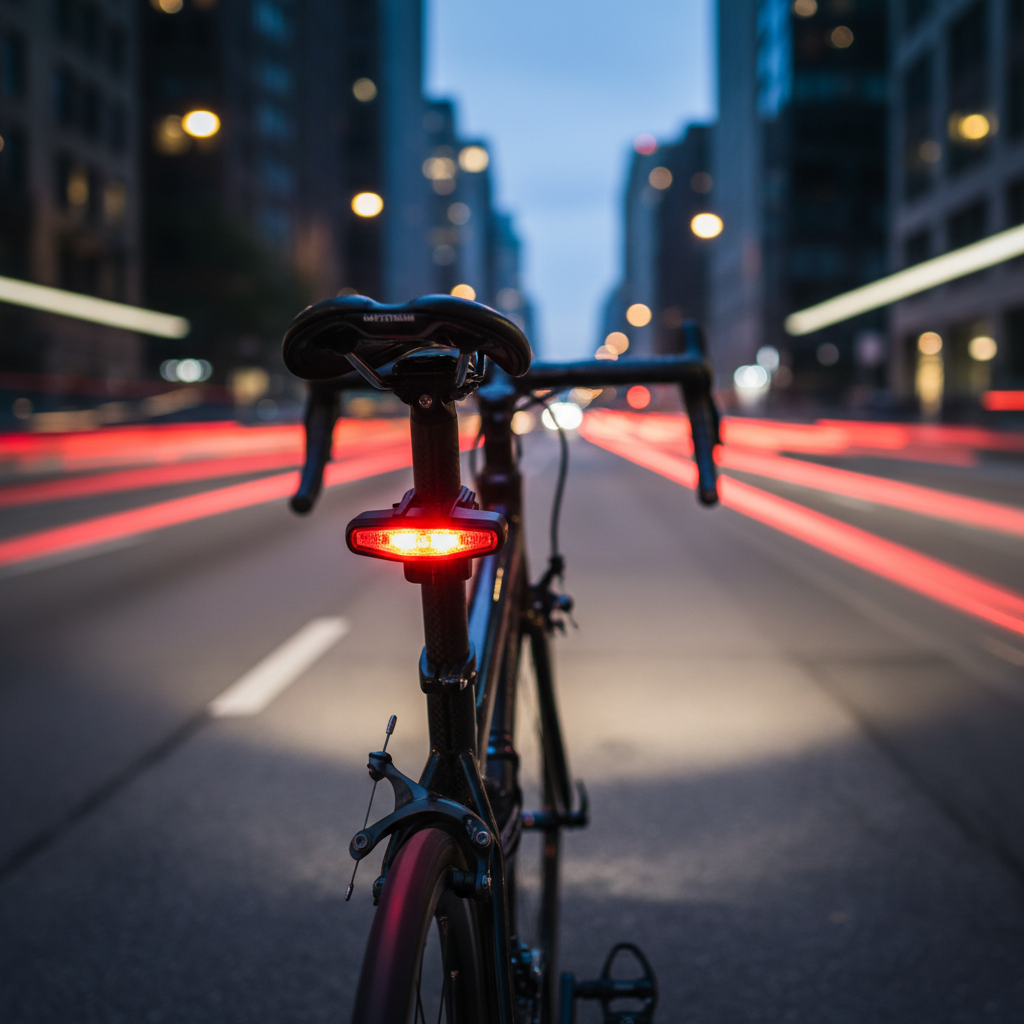
This guide focuses on what matters in the real world, how to choose by riding style, what specs are worth paying for, and a quick checklist so you can decide without overthinking it.
What actually makes a USB rechargeable tail light “the best”
Specs can be helpful, but tail lights live in messy conditions: rain, cold mornings, grime, shaky roads, and quick removal for theft prevention. A “best” pick is the one that stays visible and stays convenient.
- Daytime visibility: a punchy flash mode and optics that spread light wide, not just straight back.
- Usable battery life: not the longest number on the box, but enough hours in the mode you’ll really use.
- Mount security: tight on round and aero seatposts, stable on seatstays or a rack, easy to remove with gloves.
- Weather resistance: at least “rain commute” ready, because surprises happen.
- Charging convenience: USB-C is nicer, but a well-sealed micro-USB port can still work fine.
According to NHTSA (National Highway Traffic Safety Administration), visibility and conspicuity are key elements in preventing crashes, especially when drivers are scanning quickly. A strong rear light won’t replace good riding habits, but it can make you easier to spot.
Quick comparison table: features worth checking before you buy
Instead of chasing one magic number, compare a few features together. This table helps you sanity-check product pages.
| Feature | What “good” often looks like | Why it matters |
|---|---|---|
| Brightness (lumens) | Higher for daytime flash, moderate for night | Daytime needs more punch; at night too-bright can be distracting |
| Beam pattern | Wide-angle visibility | Cars approach from slight angles, not perfectly centered |
| Battery runtime | Enough for your week between charges | Prevents “dead light surprise” mid-ride |
| Mount options | Seatpost + rack/seatstay adapters | More fitments means fewer compromises |
| Charging port | USB-C preferred, well-sealed either way | Convenience and water intrusion resistance |
| Mode memory | Remembers last mode used | Saves time and reduces “wrong mode” mistakes |
Common reasons people end up disappointed (and how to avoid it)
A lot of “this light is terrible” reviews trace back to mismatch, not total product failure. Here are the usual traps.
- Too narrow a beam: looks bright from directly behind, but disappears from a driver’s angle at intersections.
- Optimistic runtime claims: brands often highlight the longest runtime mode, which may be a low-output flash you won’t use.
- Mount slip: smooth silicone straps can rotate on tapered or aero posts, especially after rain or dust.
- Overcomplicated modes: ten patterns sound fun until you’re clicking through them at a stoplight.
- Charging friction: a finicky port cover or proprietary cable increases the odds you “forget” to charge.
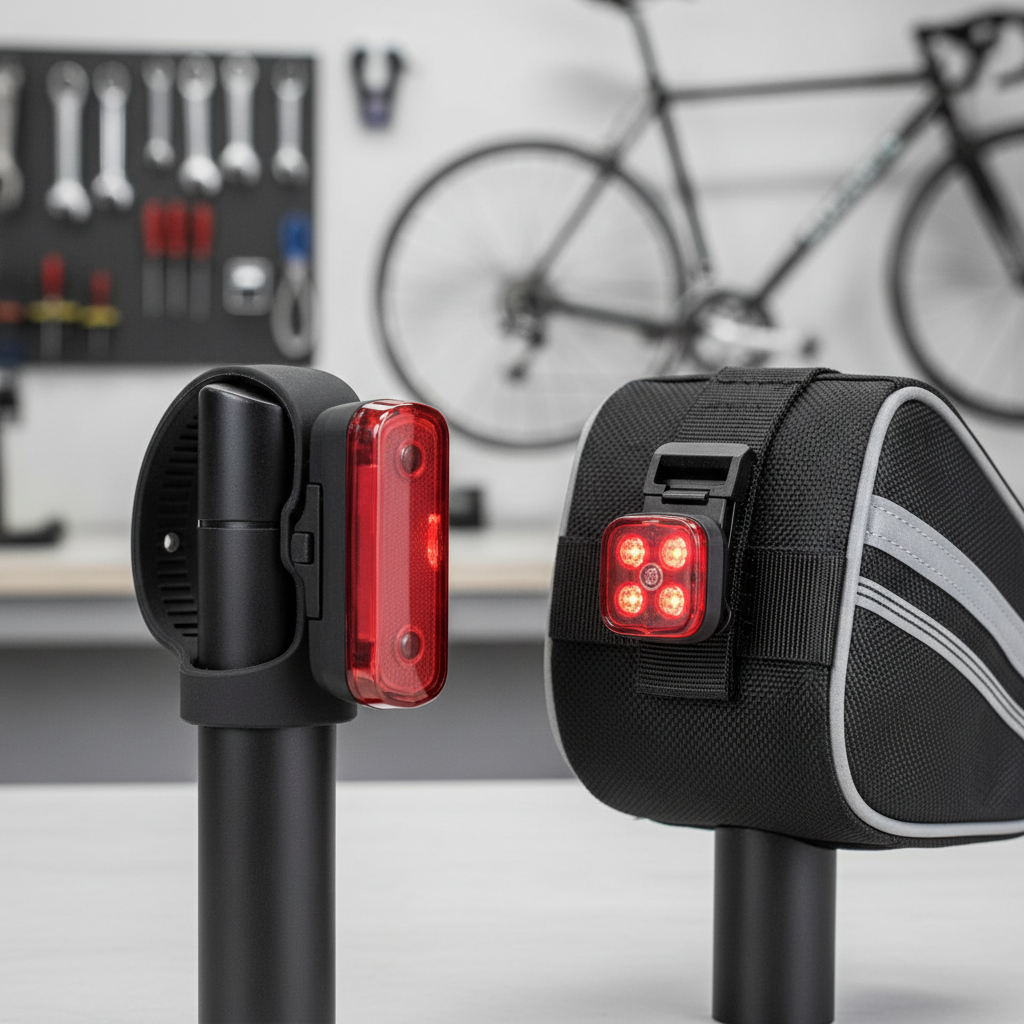
If you’re shopping for the best bike tail light usb rechargeable option, try to read specs through your own route: daytime urban traffic, dark rural roads, short commutes, or multi-hour rides all push you toward different priorities.
Self-check: which tail light style fits your riding?
Before you compare brands, get clear on your use case. The “best” choice changes a lot depending on when and where you ride.
Pick your primary scenario
- Daily commuter (day + night): prioritize daytime flash visibility, quick on/off, and easy charging.
- Road cyclist / training rides: prioritize wide-angle optics, stable seatpost mount, and predictable modes.
- Gravel / trail connectors: prioritize tough housing, dirt-resistant port cover, and a mount that won’t rotate.
- Bikepacking / long distance: prioritize long runtime, low-power steady mode, and charging while traveling.
Ask yourself these quick questions
- Do cars approach you at higher speeds, or mostly in slow city traffic?
- Do you need a rack mount (commuter rack) or seatstay mount (small frame, suspension)?
- Will you remove the light daily to reduce theft risk?
- Do you wear thick gloves in winter, making tiny buttons annoying?
If your answers point toward convenience and consistency, don’t feel guilty choosing a simpler light with fewer modes. Reliability beats “cool features” most days.
How to choose: a practical buying framework (no guessing)
Here’s a buying approach that tends to work well in the US market, where riding mixes bright daytime conditions and varied road types.
1) Start with visibility, not lumens
Lumens matter, but optics matter more. Look for wide side visibility and a lens design that makes the light readable at a glance, not just “bright.” Many riders prefer a pattern that has a strong center plus side spill, so drivers see you even when they’re not directly behind.
2) Choose modes you’ll actually use
- Day: attention-grabbing flash or pulse.
- Night: steady or a softer pulse, depending on local laws and group ride etiquette.
- Group rides: many groups prefer steady or low flash to reduce distraction.
According to AAA (American Automobile Association), driver attention can be limited by visual clutter and distractions. In practice, a clear, consistent tail light signal often works better than a chaotic pattern that blends into other city lights.
3) Match runtime to your charging habits
If you charge once a week, pick a light whose realistic runtime covers that buffer. Cold weather can reduce battery performance, so build in some margin.
4) Don’t ignore the mount and the button
This sounds boring, but it’s where many “best bike tail light usb rechargeable” searches end up: the mount makes you love it or hate it. A slightly lower-spec light that never slips often beats a brighter light that points at the ground.
Setup tips: make your tail light noticeably more effective
Even a strong light can underperform if it’s installed poorly. These are small tweaks that can make a bigger difference than upgrading models.
- Aim level: point the beam straight back, not down at the tire.
- Go higher when possible: seatpost placement tends to be more visible than low rack placement, unless the rack mount sits high.
- Reduce wobble: clean the post, tighten the strap, and add a thin rubber shim if the mount rotates.
- Use the right mode for the environment: bright daytime flash in sun, softer steady at night when traffic sits close behind you.
- Keep the lens clean: road spray can dull output more than you’d expect.
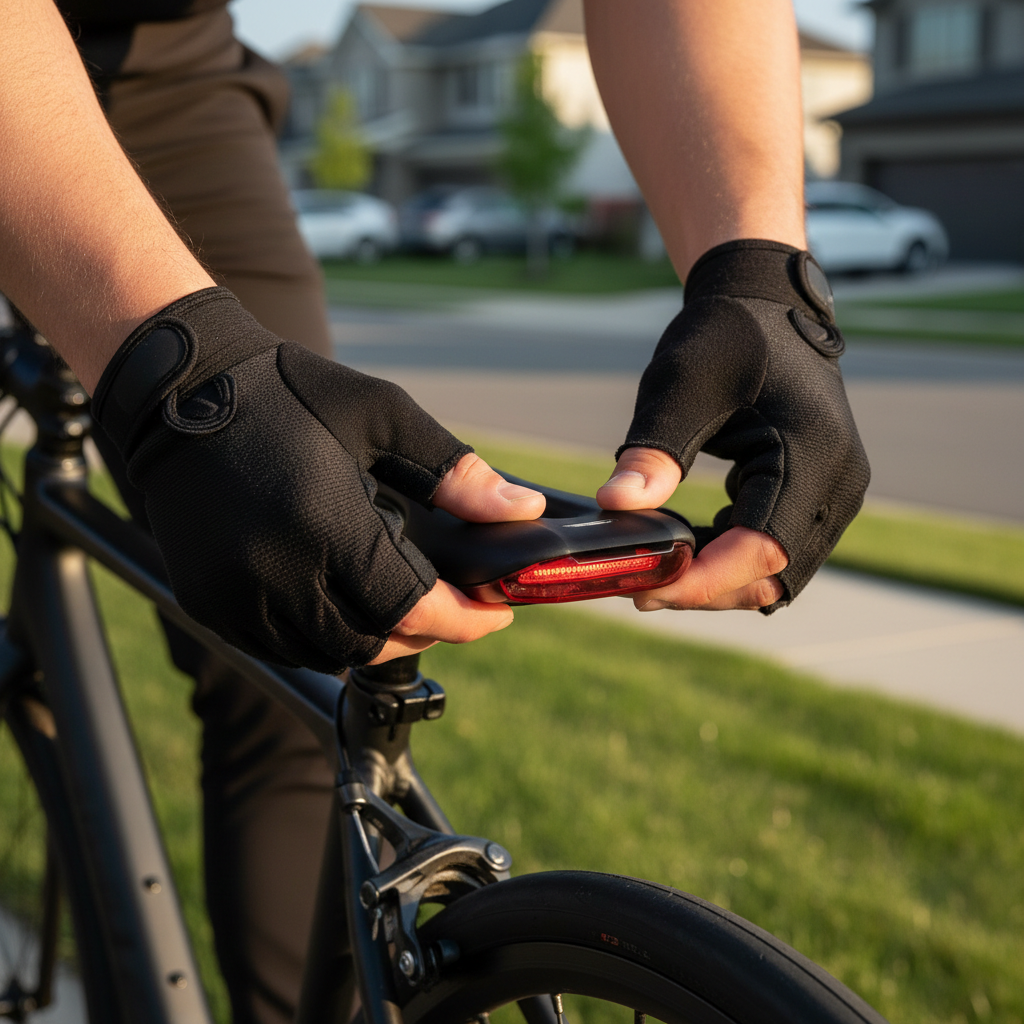
Key takeaway: if you want the best bike tail light usb rechargeable setup, treat it like a system, light choice plus placement plus mode choice, not just a single product.
Mistakes to avoid (they waste money fast)
- Buying only for max lumens: a narrow, harsh beam can be less useful than a wider, readable signal.
- Ignoring local rules: flashing patterns may be restricted in some areas, and requirements can vary. When unsure, check local regulations or ask a local bike shop.
- Running “strobe” all night in dense traffic: it can annoy drivers and other cyclists, and in some cases may reduce your ability to judge distance behind you.
- Assuming one light solves everything: for higher-speed roads, a second rear light or reflective gear can add redundancy.
According to CDC (Centers for Disease Control and Prevention), helmets and visibility measures can play a role in injury prevention strategies for cyclists. Tail lights are one piece of that bigger picture, and they work best when paired with sensible riding choices.
When it’s worth getting help or upgrading your safety plan
If you regularly ride in fast traffic, low-light rural roads, or areas with frequent fog or heavy rain, it may be smart to ask a local bike shop about a higher-output rear light, a rack-mounted option, or a dual-light setup. If you have vision concerns or health issues that affect night riding, it’s also reasonable to consult a medical professional about what’s safe for you.
And if your tail light keeps failing, water intrusion or battery issues can be real. Retiring a unreliable light is often the safer move than trying to “make it work” for another season.
Conclusion: picking your best USB rechargeable bike tail light
The best choice is the one you’ll actually use every ride, stays pointed where it should, and fits your charging routine without drama. Start by matching the light to your riding scenario, then prioritize wide-angle visibility and a secure mount, and only then sweat the extra features.
If you want a simple next step, pick one light that’s easy to charge and remove, set it level, use daytime flash in sun and a calmer night mode after dark, and put a recurring reminder on your phone to charge it before it becomes a problem.