
The best bike pump portable mini is the one you’ll actually carry, that matches your valve, and that can get your tire back to a safe pressure without turning a quick fix into a 20-minute workout.
Most riders only think about a mini pump after a flat, usually on the side of the road with cars passing or on a trail where cell service feels like a rumor. A good portable pump is less about “max PSI” marketing, more about how fast it fills your tire in real conditions, how it seals on the valve, and whether it survives being rattled on a frame mount for months.
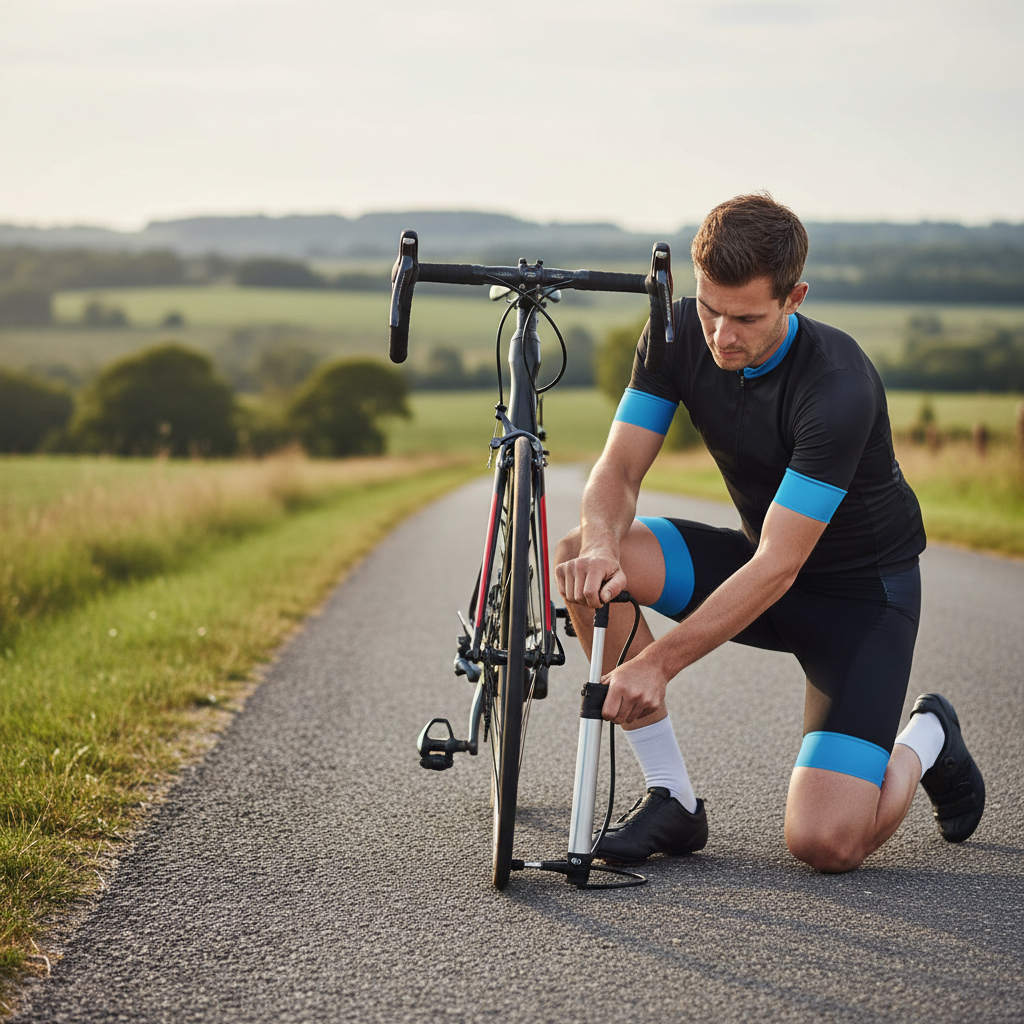
This guide focuses on what matters for 2026 buying decisions: pump style, tire volume, valve compatibility, mounting, and the small details that decide whether you’re rolling again in 3 minutes or still pumping when your friends are already gone.
Key takeaways: prioritize a reliable valve seal, pick a pump sized for your tire volume, and treat “high PSI” as secondary unless you run narrow road tires.
What “best” means for a mini portable bike pump (in real rides)
People shop for the best bike pump portable mini like it’s a single winner, but the “best” changes with tire size, terrain, and how you ride. A commuter with 35–45mm tires needs different efficiency than a road rider chasing 90–100 PSI.
Here’s what tends to separate a solid mini pump from the frustrating ones:
- Effort per PSI: how many strokes and how much force it takes as pressure rises.
- Valve connection: a secure head that doesn’t leak or pop off mid-stroke.
- Hose vs direct-to-valve: hoses reduce valve stress and make pumping easier in awkward positions.
- Usable pressure range: many minis claim 120–160 PSI, but “usable” is what you can reach without slipping, overheating, or damaging the tube.
- Carry system: pocket carry is convenient, frame mounts are consistent, bags are a middle ground.
According to NHTSA, proper tire inflation is a core safety factor for vehicles; while bicycles are a different category, the principle still applies: running underinflated tires can affect handling and stopping distance, so it’s worth taking the pump choice seriously.
Mini pump types compared: what to choose in 2026
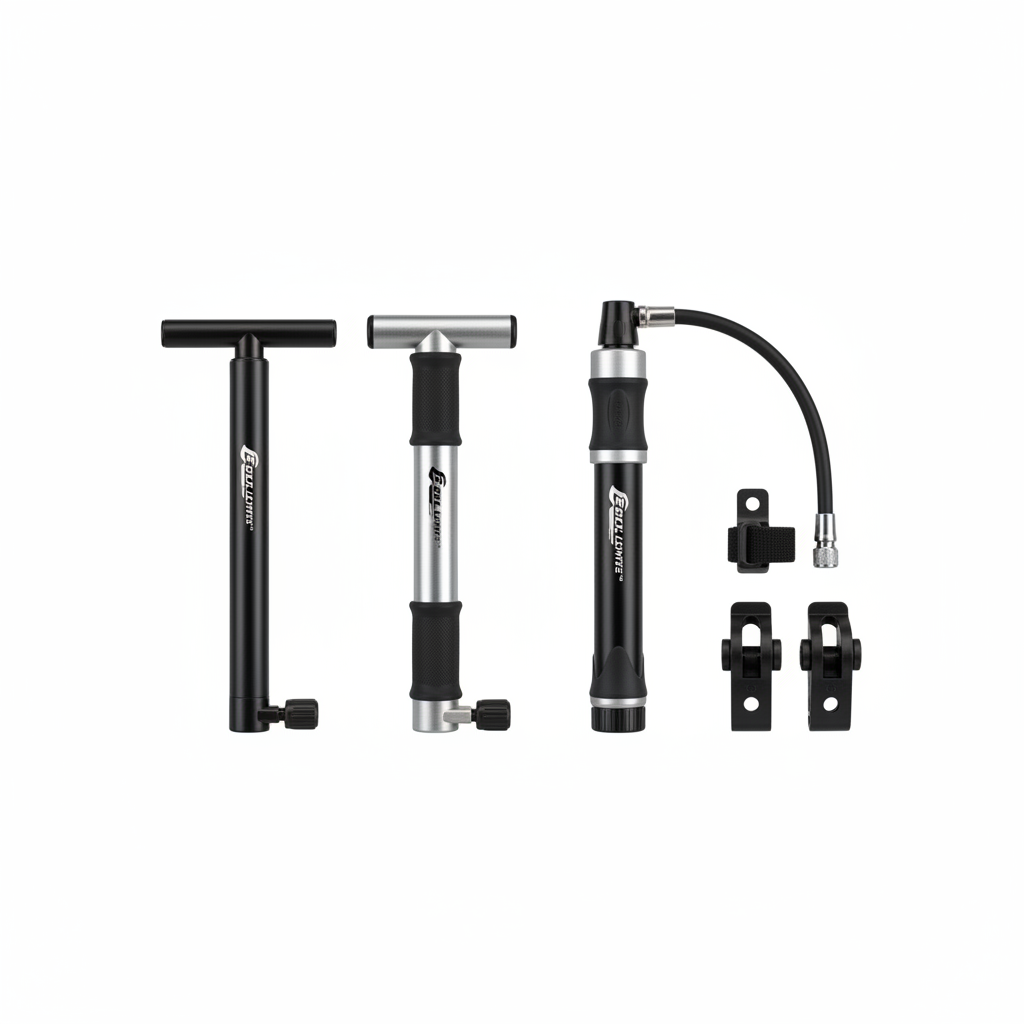
Mini pumps look similar online, but internally they behave very differently. Pick the style first, then worry about brands and accessories.
1) High-pressure mini pumps (road-leaning)
These usually have a narrower barrel. They’re better at pushing pressure higher, but they move less air per stroke, so big tires can feel slow.
- Best for: 23–32mm road and fast gravel setups
- Watch for: no hose, tiny handle, difficult last 20 PSI
2) High-volume mini pumps (gravel/MTB-leaning)
Wider barrel, more air per stroke, quicker to get a 2.1" MTB tire rideable. They may top out earlier on high pressure.
- Best for: 35–60mm gravel/commuter, MTB tires
- Watch for: claimed PSI that’s unrealistic for narrow road tires
3) Switchable pumps (HP/HV modes)
These try to cover both worlds with a mode switch. In practice, they’re convenient if you own multiple bikes, though they can be slightly heavier and more complex.
- Best for: one pump shared across bikes
- Watch for: mode switch durability and sealing quality
4) Mini pump + CO2 hybrid
Some minis integrate a CO2 inflator. It’s fast, but you’re now managing cartridges, temperature effects, and a bit more complexity. Many riders keep CO2 as “first attempt” and the pump as backup.
If you ride remote routes, a hybrid can be practical, but don’t let CO2 replace a reliable manual option unless you’re comfortable carrying extras.
Quick self-check: pick the right pump for your tire and riding style
If you want one fast decision path, this usually works.
- Your tire is 23–32mm and you like firm pressure: choose a high-pressure mini, ideally with a hose.
- Your tire is 35–50mm and you just need “rideable” on flats: a high-volume mini saves time and effort.
- Your tire is 2.1" or larger MTB: high-volume or dual-mode, plus a hose if possible.
- You frequently fix flats at night or in bad weather: prioritize a grippy handle, hose, and a head that locks confidently.
- You hate frame mounts: pick a shorter body that fits a jersey pocket or small saddle bag without stressing the zipper.
One more practical check: if you run tubeless, think about how you’ll handle a bigger air-loss event. A mini pump may not reseat a bead in many cases, so you might carry a plug kit and CO2, or plan on calling for a ride if it’s a worst-case puncture.
Feature checklist that actually matters (and what’s mostly hype)
Mini pump listings can be loud. This is the quieter list that tends to predict satisfaction.
Valve compatibility: Presta, Schrader, and “universal” heads
Make sure the pump head matches your valve type. Many are dual-compatible, but “universal” sometimes means “fiddly.” If you swap bikes often, a clear, tool-free switch design matters.
- Presta: common on road and many gravel bikes
- Schrader: common on many commuter and older MTB wheels
Hose (flexible) vs direct head
A hose reduces side-load on the valve. That can be a big deal on tight wheel builds or deep rims, and it can lower the chance of bending a Presta stem when you’re tired and rushing.
Gauge: helpful, but don’t overpay for it
Inline gauges on minis are often small and not lab-accurate. They’re useful to avoid gross underinflation, but if you care about precise pressure, a separate digital gauge at home still makes sense.
Mounting and carry
Frame mounts are common, but check where you’ll place it. Bottlecage mounts are convenient, yet some frames get cramped. Pocket carry is cleaner, but lint and sweat can shorten pump life unless it has a decent cap and tight tolerances.
At-a-glance comparison table (how to match pump style to your bike)
This table won’t crown a single product, but it will usually get you into the right category quickly.
| Pump style | Best for | Typical trade-off | What to look for |
|---|---|---|---|
| High-pressure mini | Road tires, higher PSI needs | More strokes on bigger tires | Hose option, secure head, comfortable handle |
| High-volume mini | Gravel/MTB, faster “get rolling” | Harder to reach very high PSI | Wide barrel, strong mount, dust cap |
| Dual-mode (HP/HV) | One pump for multiple bikes | More parts, slightly heavier | Simple mode switch, durable seals |
| Mini + CO2 hybrid | Speed-focused riders, long events | Cartridge dependence, complexity | Reliable manual mode, protected CO2 head |
How to use a mini pump efficiently (and avoid common mistakes)
The best equipment still fails if technique is off. With minis, small errors waste a lot of effort.
Step-by-step: faster inflation on the roadside
- Check the tire for a sharp object before pumping, otherwise you may reinflate into another puncture.
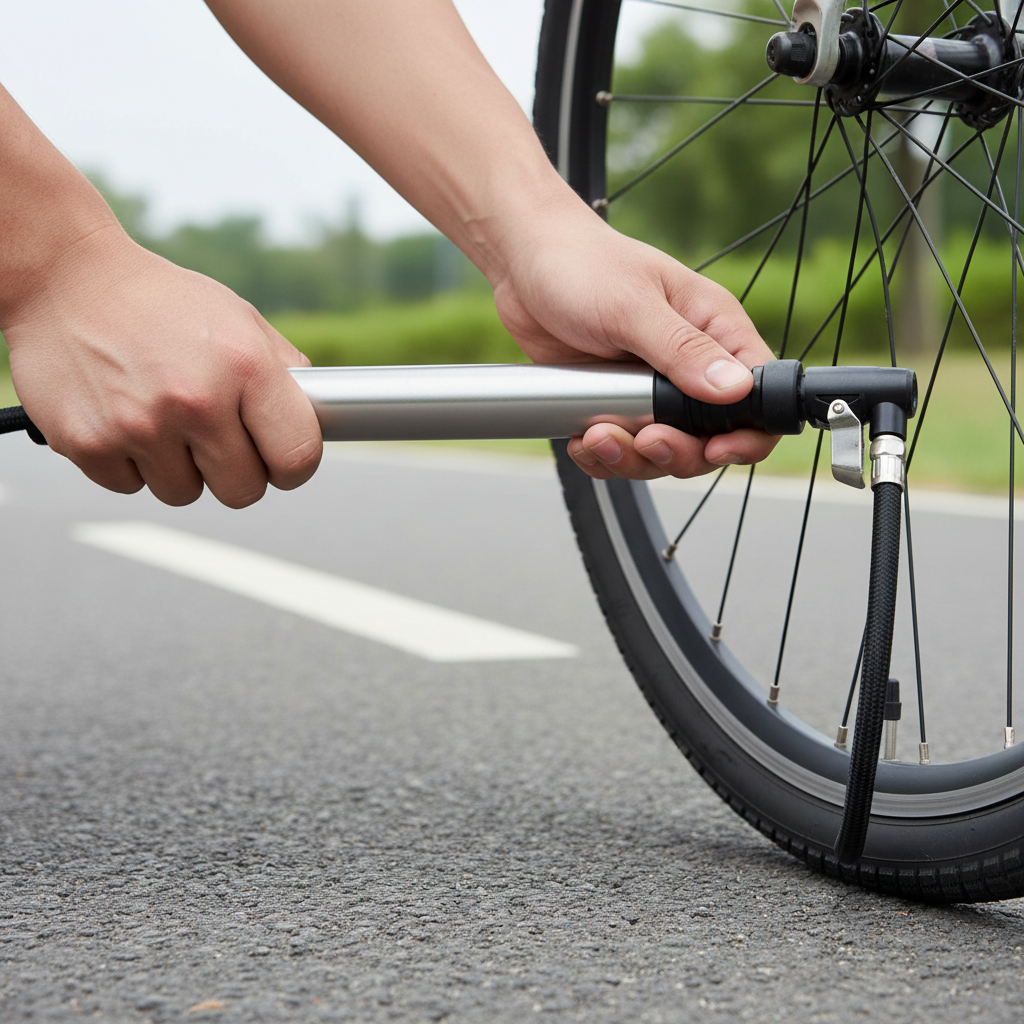
- Seat the valve head fully, then lock it if your pump uses a lever.
- Use shorter, steadier strokes as pressure rises, it helps keep the head sealed.
- Stabilize the wheel by bracing it against your leg or the ground, less wobble means less valve stress.
- Stop at “safe and rideable” if you’re struggling, you can top off later with a floor pump.
Common mini pump mistakes that cause leaks or broken valves
- Not tightening the Presta nut after opening the valve, so air escapes while pumping
- Pumping with the head half-seated, which can strip seals or damage the valve core
- Using a direct-mount head at a severe angle, bending the valve stem
- Overheating a CO2 head or cartridge handling without care, it can get extremely cold and may cause discomfort or minor skin injury
According to OSHA, compressed gas cylinders and cartridges can introduce handling risks in workplaces; CO2 bike cartridges are much smaller, but the cold-burn potential and pressure handling still justify a bit of caution.
When a mini pump isn’t enough: flats, tubeless, and deeper issues
A best bike pump portable mini solves the “normal flat” well, but some problems need a different tool or a different plan.
- Large sidewall cuts: you may need a tire boot and a tube, or you may not get home safely without assistance.
- Tubeless bead unseats: many minis won’t reseat it, CO2 or a high-volume blast system tends to work better.
- Slow leaks after pumping: check valve core tightness and rim tape condition, especially on tubeless setups.
- Repeated pinch flats: pressure may be too low for rider weight and terrain, a shop can help you dial in a safer range.
If you’re unsure whether a tire is safe to ride after a repair, especially after a sidewall issue, it’s smart to ask a local bike shop mechanic. It’s not just about getting air in, it’s about whether the casing can handle load without failing.
Conclusion: choosing the best mini portable bike pump for 2026
The “best” pick usually comes down to matching pump volume to your tire size, then choosing the most reliable valve connection you can afford. If you ride road, lean high-pressure with a hose; if you ride gravel or MTB, high-volume or dual-mode typically feels less punishing during real roadside fixes.
Your next action can be simple: confirm whether you run Presta or Schrader, measure tire width, then choose a mini pump category and commit to carrying it the same way every ride. A pump sitting in a drawer is perfect on paper, useless on mile 18.