The best kids bike for 5 year old is usually the one that fits your child’s body right now, feels easy to control, and has safety features you can trust, not the one with the flashiest graphics.
If you’re stuck between 14-inch and 16-inch wheels, wondering whether training wheels help or hurt, or trying to avoid buying “another bike” in six months, you’re in the right place. At age five, small fit mistakes show up fast: wobbly starts, panic braking, or a kid who suddenly “doesn’t like biking.”
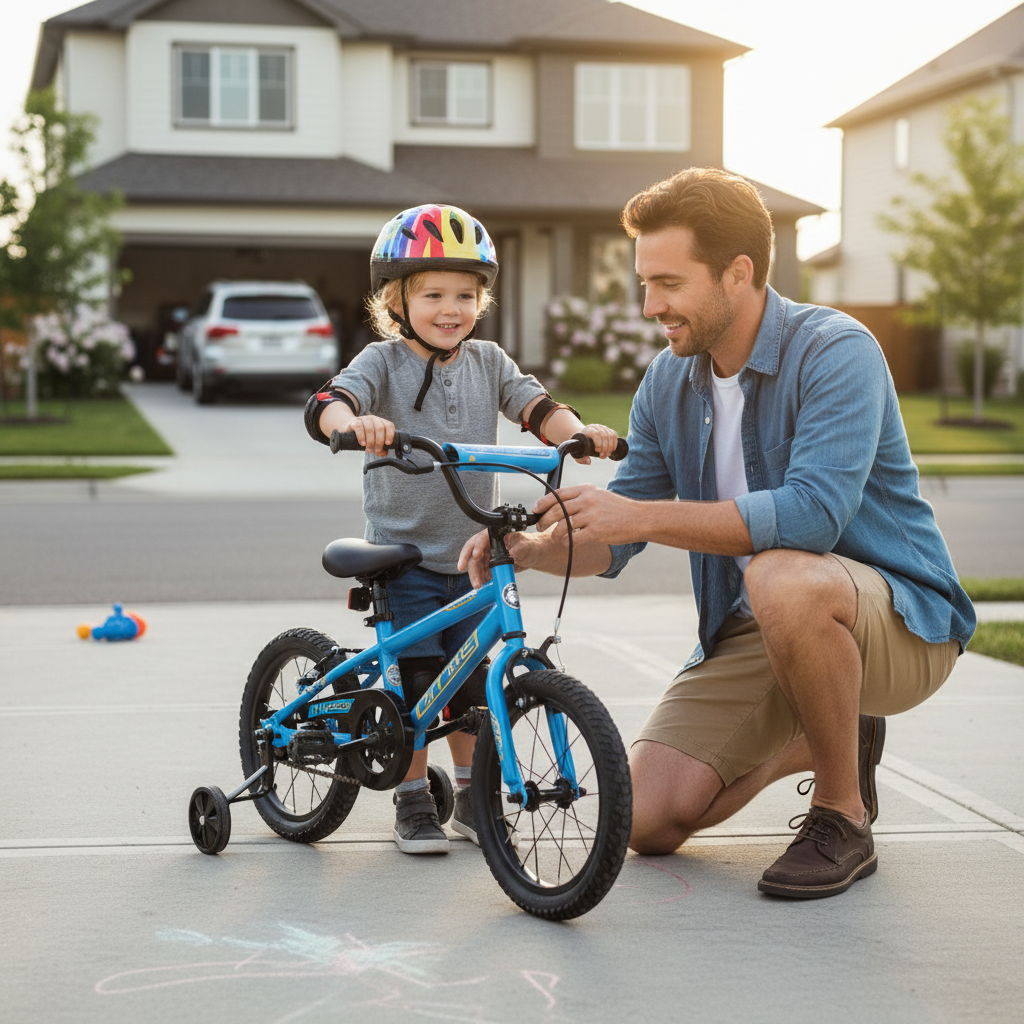
Below, I’ll help you pick the right size, explain what matters in real-world riding, and give a few 2026-ready recommendations by scenario, budget, and skill level. You’ll also get a quick checklist you can use in a store or when comparing online.
Quick answer: what most 5-year-olds actually need
Most 5-year-olds land on a 16-inch kids bike, but age is a rough proxy. Height and inseam matter more, especially because brands measure “fit” differently.
- Typical wheel size: 16-inch for many kids, 14-inch for smaller riders, 20-inch for tall/advanced riders
- Priorities that matter day-to-day: low weight, easy brakes, correct standover height, durable tires
- Nice-to-haves in 2026: tool-free seat adjustments, kid-reach brake levers, sealed bearings (less maintenance)
Key point: a slightly “smaller but confidence-building” bike often beats a bigger bike bought for growth, because confidence is what keeps them practicing.
Size and fit: the part that decides whether they ride or quit
When people ask for the best kids bike for 5 year old, they often mean “a bike my kid can start, stop, and steer without getting scared.” Fit controls all three.
Use this fit checklist (in-store or at delivery)
- Standover clearance: child can stand flat-footed over the top tube with a little space, not jammed
- Seat height for learning: seat low enough that toes can touch when seated, then raise as skills improve
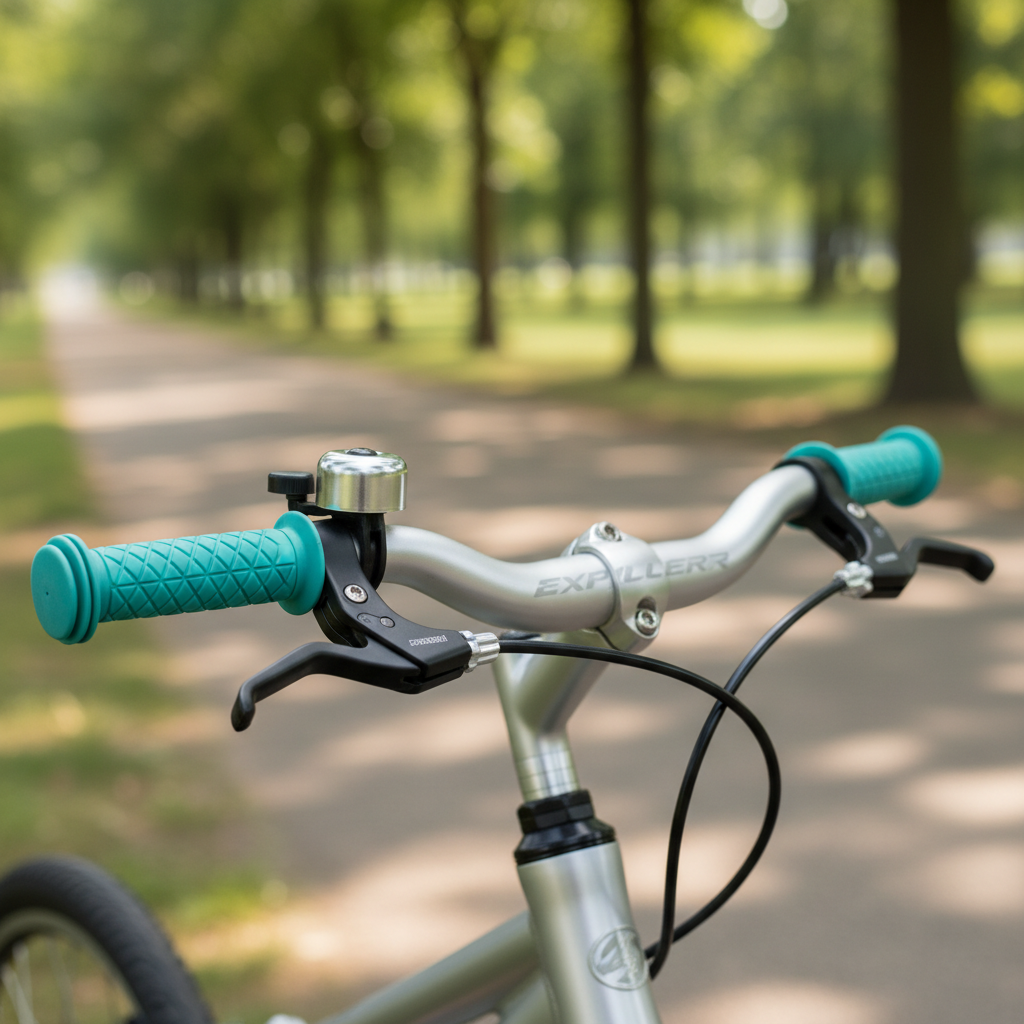
- Brake reach: child can pull levers with one or two fingers without straining
- Handlebar comfort: elbows slightly bent, shoulders relaxed, not stretched forward
- Weight check: child can tip the bike upright and walk it around without you rescuing them
According to the American Academy of Pediatrics, choosing the right size bike and using properly fitted safety gear supports safer riding habits for kids. If you’re unsure between two sizes, the safer bet is usually the one your child controls easily today.
2026 buying guide: what features are worth paying for
It’s tempting to shop by “cool factor,” but a few build choices change the experience a lot at age five. The differences show up after a week of curb bumps, driveway turns, and sudden stops.
Features that usually pay off
- Lightweight frame: easier starts, fewer tip-overs, less frustration carrying it
- Kid-specific brake levers: small hands need lighter pull and proper reach
- Coaster brake vs hand brakes: coaster brakes feel intuitive for some beginners, hand brakes help long-term skills; mixed setups can work well
- Chain guard: reduces pant legs and shoelaces getting caught
- Better tires: smoother ride and more grip, especially on sidewalks and park paths
Features to be cautious about
- Heavy “department store” builds: weight can cancel out every other benefit
- Suspension on tiny bikes: often adds weight with limited real benefit at this age
- Overly aggressive tread: can feel sluggish on pavement where most 5-year-olds ride
Best kids bike picks for 5-year-olds (by real-life scenario)
I’m not going to claim there’s one perfect model for every kid, because comfort, local terrain, and confidence vary. Instead, here are the scenarios that cover most families, plus what to look for when comparing brands.
If your child is learning from scratch (or nervous)
- Look for: low standover, light weight, stable geometry, easy-to-use brakes
- Good match: a 14-inch or 16-inch with an adjustable seat range, potentially starting without pedals if you’re open to that
If your child is ready to ditch training wheels
- Look for: a bike that can be set low enough for confident push-offs, plus smooth steering
- Good match: a 16-inch with quality tires and kid-reach hand brakes, training wheels optional but removable
If you ride sidewalks, greenways, and park loops
- Look for: comfortable grips, decent tires, simple gearing (often single-speed is enough)
- Good match: 16-inch with a slightly more upright position
If your neighborhood has hills
- Look for: reliable braking and easy modulation, not just “strong brakes”
- Good match: a bike with well-tuned hand brakes; consider a local bike shop setup if braking feels grabby
Comparison table: how to choose without overthinking
Use this as a quick filter when you’re staring at product pages that all look the same.
| What you’re deciding | Usually the better choice | Why it matters for age 5 |
|---|---|---|
| Wheel size (14 vs 16) | Smaller size if in between | Confidence and control beat “room to grow” |
| Brakes (coaster vs hand) | Depends on skill and terrain | Coaster feels simple; hand brakes build future skills |
| Bike weight | Lighter whenever possible | Easier starts, fewer crashes, less fatigue |
| Training wheels | Optional, not mandatory | Can delay balance if used too long |
| Where you buy | Bike shop or reputable direct-to-consumer | Assembly quality changes safety and ride feel |
Practical setup tips: get the bike “ride-ready” in 15 minutes
Even the best kids bike for 5 year old can feel wrong if it arrives misadjusted. A small setup pass makes a big difference.
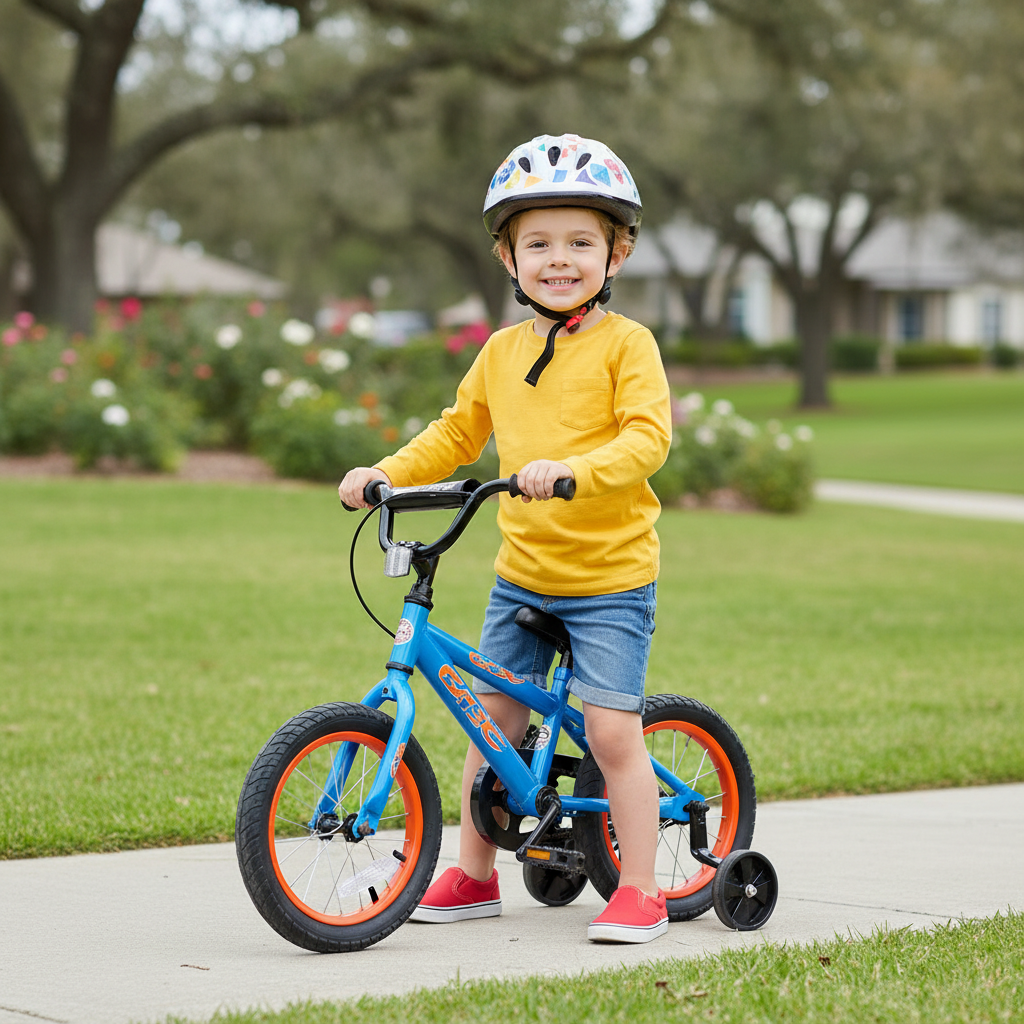
- Set seat height for success: start slightly low so they can touch down, raise gradually after they’re steady
- Check brake feel: squeeze levers, wheels should stop smoothly without sticking; if it’s hard to pull, adjust cable tension
- Align handlebars and front wheel: kids steer with their whole body, crooked bars create instant wobble
- Tire pressure: use the range printed on the tire sidewall; too hard can feel bouncy, too soft can feel sluggish
- Helmet fit: level on the head, snug, straps forming a “V” under ears; if you’re uncertain, a local shop can help
According to the National Highway Traffic Safety Administration (NHTSA), wearing a properly fitted bicycle helmet helps reduce the risk of head injury. If your child resists a helmet, comfort and correct sizing often fix the issue more than “convincing” does.
Common mistakes (and what to do instead)
- Buying big for growth: if starts and stops feel scary, riding time drops; choose control now, upgrade later
- Overusing training wheels: they can teach leaning away from turns; consider lowering the seat and practicing glide steps instead
- Ignoring brake reach: small hands can’t “grow into” unsafe braking; choose kid-friendly levers or adjust properly
- Skipping a tune-up after shipping: online bikes vary in assembly; if shifting/braking feels off, get a quick safety check
When it’s worth getting professional help
If your child has repeated falls, complains of wrist pain, or seems anxious every ride, it may not be “just a phase.” A local bike shop fit check can spot issues like overextended reach, misaligned brakes, or a wheel that’s rubbing. For ongoing pain, balance concerns, or developmental questions, it’s reasonable to check with a pediatrician or qualified specialist, because comfort and coordination vary a lot at this age.
Conclusion: the best choice is the one they’ll ride this week
The bike that wins in 2026 is rarely the trendiest, it’s the one your child can start confidently, brake smoothly, and steer without fighting the weight. If you do two things, make them these: confirm fit with the standover and brake-reach checks, then do a quick setup before the first ride. That’s usually what turns a “maybe” bike into a bike they ask to ride again.
If you’re comparing a couple options right now, jot down your child’s height and inseam, decide whether you want coaster or hand brakes for your terrain, then choose the lightest model that fits those requirements.