
Weight Loss Fitness works best when your routine feels repeatable on a normal week, not just “perfect” on Monday. If you keep bouncing between intense plans and long breaks, the issue usually isn’t motivation, it’s that the routine doesn’t match your schedule, joints, sleep, or stress.
Healthy weight loss tends to look boring from the outside: a few workouts you can do consistently, meals that don’t require a full lifestyle overhaul, and enough recovery that you don’t quit in week three. The win is not a dramatic day, it’s a month of decent days.
This guide breaks down realistic fitness routines for fat loss, how to pick the right mix of strength and cardio, how to progress without burning out, plus a simple self-check and sample weekly templates you can steal.
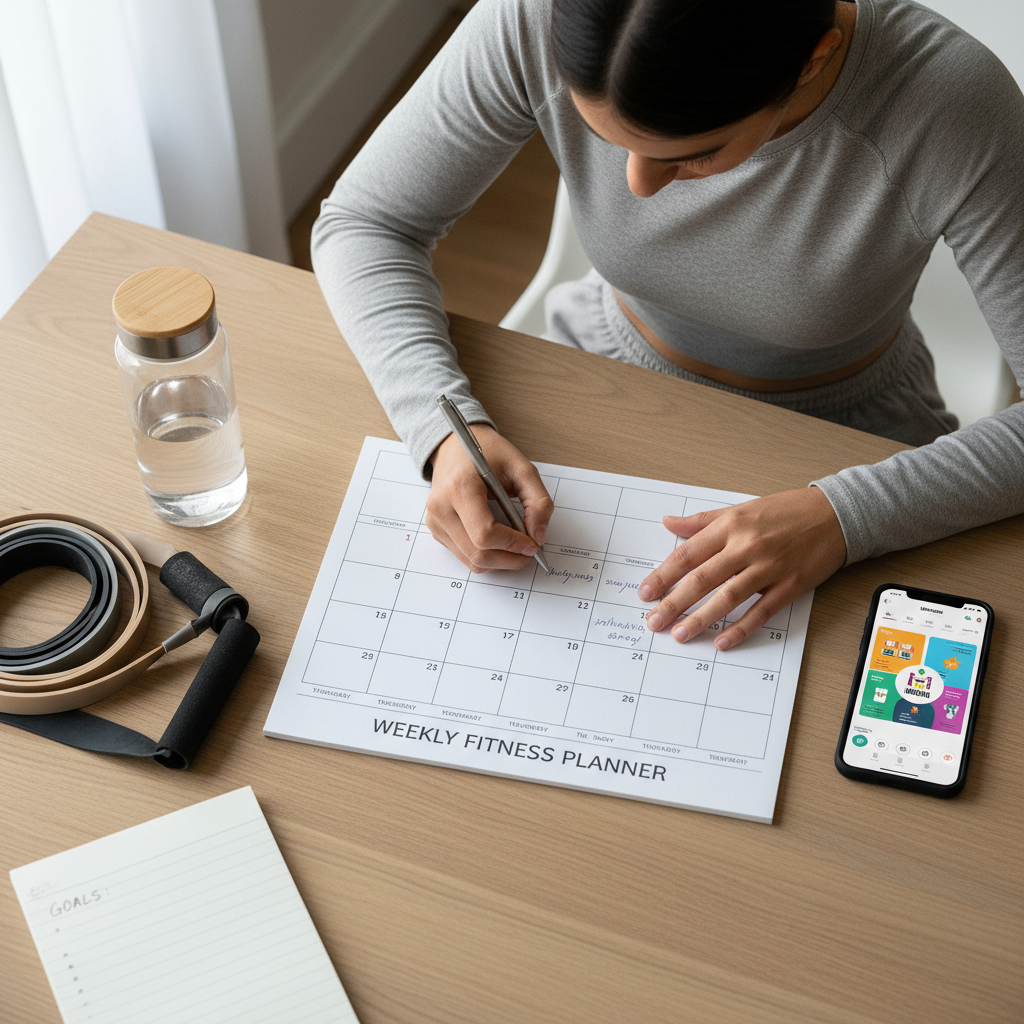
What “healthy weight loss” training actually needs
Most people don’t need a magical workout, they need a plan that supports a calorie deficit without wrecking energy, appetite, or joints. Training should do three jobs: burn some calories, keep muscle, and make you feel capable enough to come back tomorrow.
- Strength training protects lean mass, which matters because weight loss often includes some muscle loss if training and protein are off.
- Cardio supports heart health and helps increase total weekly activity, especially if your job is mostly sitting.
- Recovery keeps the plan sustainable, poor sleep and constant soreness often push people into “all-or-nothing” cycles.
According to the CDC and the Physical Activity Guidelines for Americans, adults generally benefit from regular aerobic activity plus muscle-strengthening work during the week. The exact mix can vary by age, training history, injuries, and what you can realistically stick with.
Why Weight Loss Fitness routines fail (and how to avoid the usual traps)
When a plan collapses, it’s often for predictable reasons. The workouts might be “good,” but the friction is too high.
- Too much intensity too soon: HIIT every day feels productive until sleep dips and hunger spikes.
- No progression plan: doing the same weights and same walks forever can stall results and motivation.
- Skipping strength: cardio-only approaches can work short term, but many people dislike how they look and feel as muscle fades.
- Underestimating NEAT: non-exercise movement (steps, errands, standing) often drives a big part of daily calorie burn.
- Training around pain instead of solving it: knee, back, or shoulder issues push people into inconsistency; modifications help, but sometimes you need a professional assessment.
Say it plainly: the best routine is the one you can repeat for 12 weeks without hating your life.

Quick self-check: which routine fits you right now?
If you pick a plan that matches your current “capacity,” you’ll feel progress fast. If you pick a plan that matches your fantasy schedule, you’ll feel behind by Wednesday.
Answer these in 60 seconds
- How many days can you realistically train without sacrificing sleep? (2–6)
- Do you recover well after a hard session, or does soreness linger 2–3 days?
- Any pain signals (knees, hips, low back, shoulder) that flare with impact?
- Do you prefer short intense sessions or longer easy sessions?
- What’s your average step count now, roughly?
Use this simple match-up
- Beginner / returning: 2–3 strength days + 2 easy cardio days + walking.
- Intermediate: 3 strength days + 2–3 cardio days, 1 session can be intervals.
- Joint-sensitive / high stress: 2–3 strength days + low-impact cardio (bike, incline walk), keep intensity moderate.
If you’re unsure, start on the easier side. You can always add later, but backing off after burnout feels like “failure,” even though it’s just physics.
The core building blocks: strength, cardio, and daily movement
For most healthy adults, a practical Weight Loss Fitness week includes 2–4 strength sessions, 2–4 cardio sessions, and a daily movement target. The exact numbers flex, but the structure stays similar.
Strength training (the “keep muscle” lever)
Focus on big movement patterns, then add a little accessory work. You don’t need complicated splits to start.
- Squat pattern: goblet squat, leg press, sit-to-stand
- Hinge pattern: Romanian deadlift, hip hinge with dumbbells, glute bridge
- Push: push-up, dumbbell bench, machine press
- Pull: row variation, lat pulldown, band row
- Carry/core: farmer carry, dead bug, Pallof press
A simple target: 2–4 sets of 6–12 reps for main lifts, leaving 1–3 reps “in the tank” most sets. If your form breaks, the set is already over.
Cardio (the “capacity and calorie burn” lever)
Most weeks do mainly easy-to-moderate cardio, and sprinkle intensity if you tolerate it.
- Zone 2 style (conversational pace): brisk walking, cycling, easy jog, rowing
- Intervals (optional): short pushes with full recovery, 10–20 minutes total work is plenty for many people
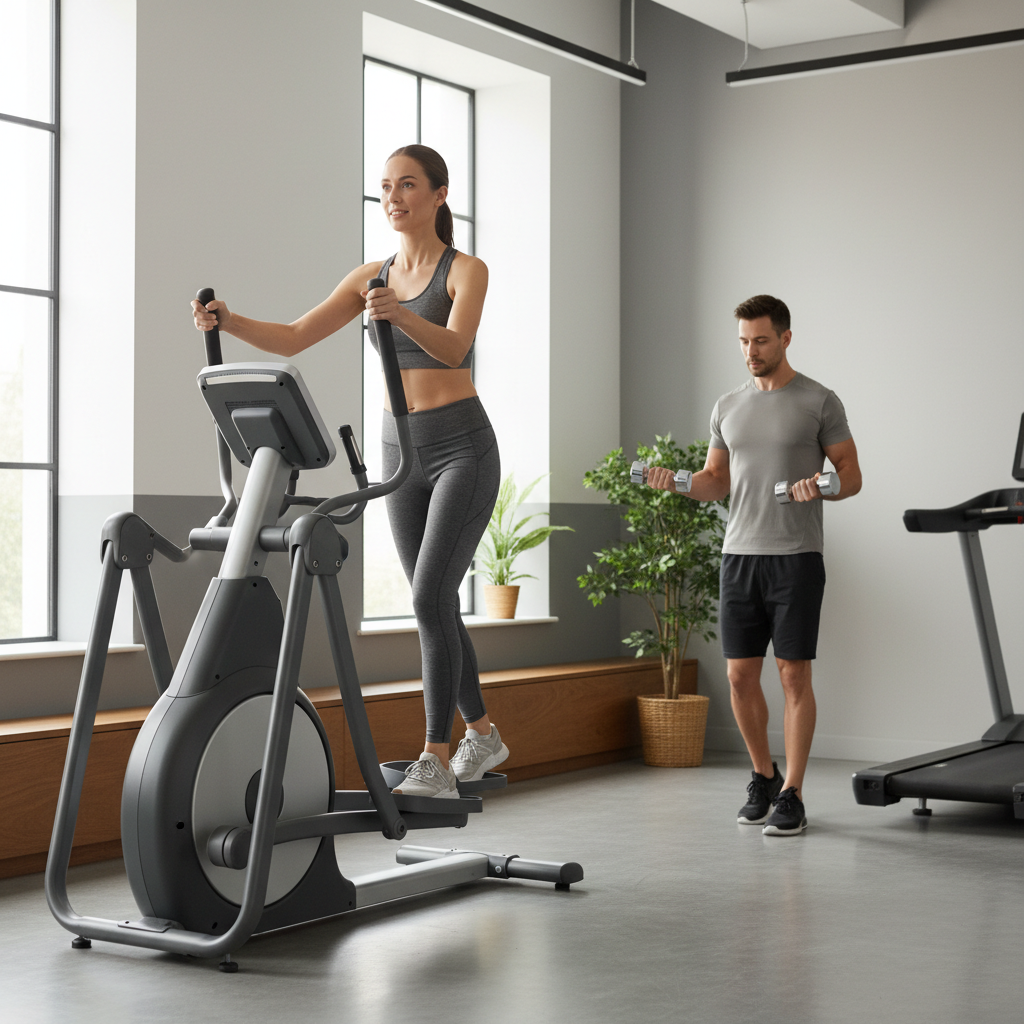
- Low-impact options: incline walk, elliptical, bike, swimming, especially if joints complain
Daily movement (NEAT)
If you train 45 minutes but sit the other 14 hours, fat loss often feels slower than it “should.” Set a step target you can hit on rough days, not just good days. Many people start by adding 1,000–2,000 steps above their current average.
Sample weekly routines (pick one and run it for 4–6 weeks)
These templates aim to be realistic, not heroic. If you have medical conditions, pregnancy, or significant pain, it’s smart to consult a qualified professional before changing training.
3-day strength + 2-day cardio (beginner-friendly)
| Day | Workout | Notes |
|---|---|---|
| Mon | Strength A (full body) | Keep 1–3 reps in reserve |
| Tue | Easy cardio 30–45 min | Brisk walk or bike, conversational pace |
| Wed | Strength B (full body) | Add one set to one lift if energy is good |
| Thu | Steps + mobility 15 min | Short session counts |
| Fri | Strength A (repeat) | Try a small progression |
| Sat | Cardio 30–60 min | Hike, long walk, sport |
| Sun | Rest | Light movement if stiff |
4-day training (busy schedule, shorter sessions)
- Day 1: Strength (lower focus) + 10 min incline walk
- Day 2: Cardio intervals 20–25 min (only if you recover well)
- Day 3: Strength (upper focus) + easy walk
- Day 4: Full-body strength circuit at moderate effort
If intervals drain you, swap them for steady cardio and you usually lose nothing but soreness.
Low-impact routine (joint-friendly)
- Strength 2–3x/week using machines, dumbbells, bands
- Cardio 3x/week on bike, elliptical, or swimming
- Short walks most days if tolerated
How to progress without burning out
Progression is where Weight Loss Fitness becomes a system instead of random workouts. The trick is small changes that your body accepts.
Pick one lever per week
- Add reps: same weight, 1–2 more reps per set
- Add load: 2.5–10 lbs depending on exercise and equipment
- Add a set: only to one or two lifts, not everything
- Add time: 5–10 minutes to one cardio session
- Add steps: another short walk after meals
Use a simple “green/yellow/red” rule
- Green: sleep okay, low soreness, good mood → progress a little
- Yellow: stressed, stiff, low energy → keep the plan, reduce intensity
- Red: pain, illness signs, very poor sleep → rest or do gentle movement
More work is not always better work. For many people, the sustainable plan beats the aggressive plan within 8–12 weeks.
Practical tips that make fat loss routines easier to stick with
The workout plan matters, but adherence usually comes from boring logistics.
- Anchor workouts to a time cue: right after work, after school drop-off, after morning coffee.
- Keep a “minimum workout”: 15 minutes counts on chaotic days, consistency beats guilt.
- Track two numbers: workouts completed and average steps, everything else is optional at first.
- Fuel like an adult: a big calorie deficit plus hard training often backfires through fatigue and rebound eating; moderate tends to be easier.
- Protein and fiber help: they usually improve satiety, but exact targets vary, a dietitian can personalize.
According to the American Heart Association, mixing aerobic activity with strength work supports overall cardiovascular health, which matters even if weight loss is your main goal.
Common mistakes and when to get professional help
Some mistakes are annoying, others can increase injury risk or create a spiral of quitting.
Mistakes worth fixing early
- Chasing soreness: soreness is not a reliable fat-loss metric.
- Turning every cardio day into a race: constant high intensity can raise fatigue and reduce total weekly activity.
- Ignoring pain signals: sharp pain, swelling, numbness, or symptoms that worsen need attention.
- Only using the scale: weight fluctuates with water, sodium, hormones; use photos, measurements, strength markers.
Consider professional support if…
- You have chest pain, dizziness, fainting, or unusual shortness of breath during exercise.
- You have a history of heart disease, uncontrolled blood pressure, or metabolic conditions and you’re starting from near zero activity.
- Pain persists beyond normal soreness, or movement feels unstable.
- You suspect disordered eating patterns, or dieting increases anxiety around food.
A primary care clinician, registered dietitian, physical therapist, or certified trainer can help tailor a plan to your health history and limitations. That’s not overkill, it’s often the fastest route to consistency.
Key takeaways + a simple next step
If you want healthy weight loss, keep the routine simple: lift a few days per week, add cardio you can recover from, and raise daily movement gradually. The best sign you chose well is that you can repeat the week without dreading it.
Action step: pick one of the sample weekly templates, schedule it for the next 14 days, and decide one progression lever you’ll use if week one feels manageable.
FAQ
- How many days a week should I work out for weight loss?
Many people do well with 3–5 training days, but it depends on recovery and schedule. If you can only commit to three, prioritize strength and add daily walking. - Is cardio or strength better for Weight Loss Fitness?
In practice, the combination tends to work best. Strength helps you hold onto muscle, cardio helps build work capacity and increase weekly calorie burn. - Do I need HIIT to lose weight?
No. HIIT can be useful, but it’s optional, and some people overdo it. Steady cardio plus strength and higher steps often performs just as well for adherence. - What if I’m not losing weight even though I’m exercising?
Check consistency over 2–4 weeks, not a few days. Also look at steps, weekend eating, liquid calories, and sleep. If you’re stuck longer, a dietitian can help troubleshoot intake and habits. - How long should workouts be?
Many effective sessions run 30–60 minutes. Shorter workouts can still work if you keep them focused and repeat them consistently. - What’s a safe rate of weight loss?
It varies by person, starting weight, and health history. If you’re unsure what’s appropriate for you, it’s reasonable to discuss targets with a clinician or registered dietitian. - Should I work out when I’m sore?
Light movement often helps, but sharp pain or joint pain is different from normal muscle soreness. When in doubt, reduce intensity or rest, and consult a professional if symptoms persist.
If you’re trying to make Weight Loss Fitness feel simpler, it often helps to get a routine built around your schedule, equipment, and recovery, then adjust it every couple weeks instead of reinventing it. If you’d rather follow a more guided plan, consider using a reputable training app or working with a qualified coach who can tailor progressions and form cues to your situation.