
The best indoor bike trainer for home is the one that fits your bike, your space, and your tolerance for noise and setup hassle, not necessarily the most expensive “pro” model.
If you’re training indoors in the U.S., you’re probably juggling at least two constraints: limited room and shared walls, plus the reality that you’ll only use a trainer consistently if it’s easy to get on and comfortable enough to repeat tomorrow.
This guide focuses on how to choose well in 2026: what actually matters (and what’s mostly marketing), a quick self-check, and practical setup tips so your first ride feels smooth instead of frustrating.
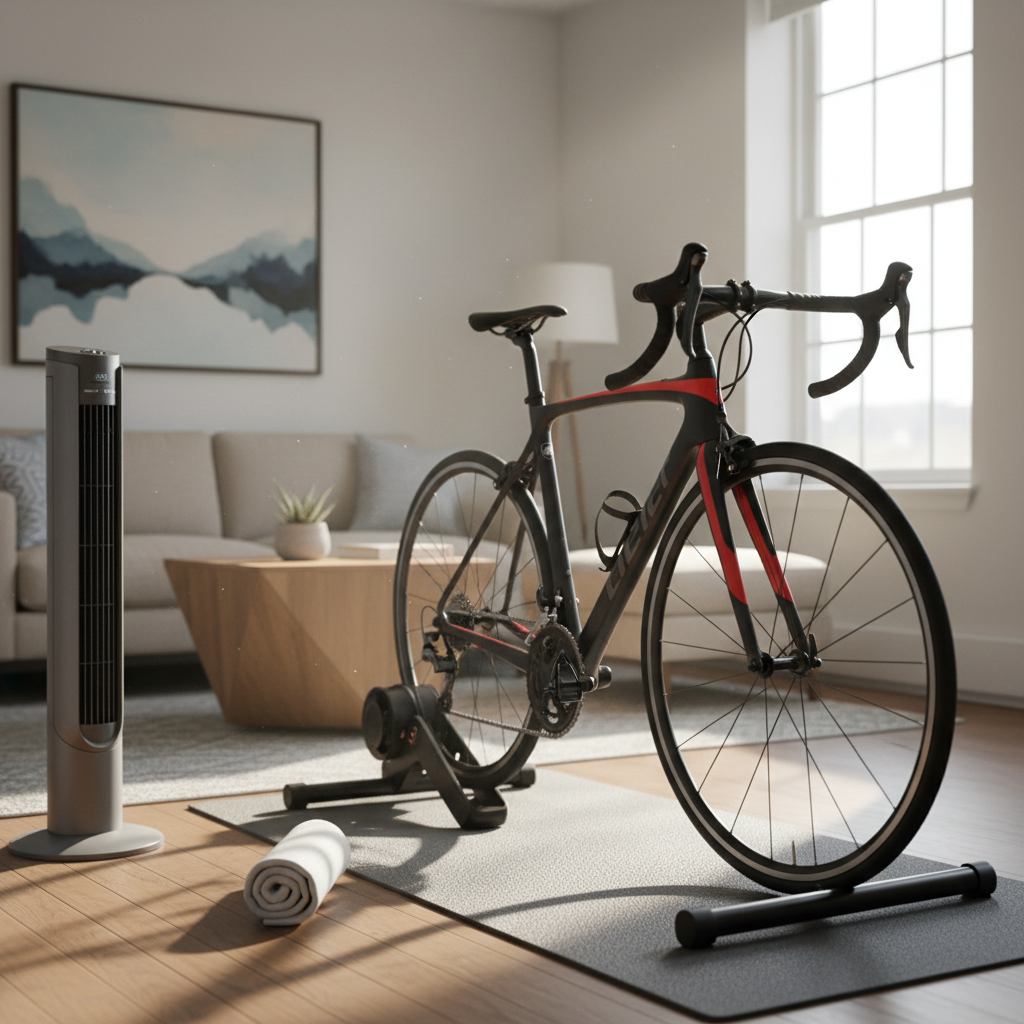
What “best” really means for a home trainer in 2026
For most people, “best” comes down to three outcomes: you can ride quietly, you can ride consistently, and the numbers feel believable enough to follow a plan.
- Quiet + stable: especially in apartments or shared homes, reducing vibration often matters more than raw features.
- Low friction setup: if mounting the bike feels like a chore, usage drops fast.
- Training accuracy: power and resistance control help workouts translate to outdoor fitness, but “good enough” varies by goals.
Also worth saying: the best indoor bike trainer for home for a casual rider can be a different category than what a racer wants. You’re not “settling” by choosing something simpler, you’re matching the tool to the job.
Trainer types, in plain English (and who each one suits)
Direct-drive smart trainers
Your rear wheel comes off and your chain drives the trainer cassette. These are usually the most stable, consistent, and quiet option, though they cost more and require a little more setup.
- Best for: structured workouts, Zwift/TrainerRoad-style training, frequent riding
- Watch-outs: cassette/compatibility, storage space, upfront price
Wheel-on smart trainers
Your rear wheel stays on and presses against a roller. These can work well for many riders, but tire wear and noise can be dealbreakers in some homes.
- Best for: budget-conscious smart training, occasional indoor sessions
- Watch-outs: louder contact noise, calibration, dedicated trainer tire often helps
“Dumb” trainers and rollers
Non-smart trainers rely on your gears and effort, while rollers build handling and smooth pedaling. They can be great, but they demand more discipline and, for rollers, more balance confidence.
- Best for: simple winter mileage, technique work, low-tech reliability
- Watch-outs: no automatic resistance control, easier to under-train without guidance
According to TrainerRoad (indoor training platform), consistency and progressive overload matter more than fancy features, which is why choosing a trainer you’ll actually use is the practical “best.”
The home buyer’s checklist: figure out what you need in 5 minutes
If you’re trying to land on the best indoor bike trainer for home without overthinking it, answer these quickly and let the constraints narrow the field.
- Housing: apartment/shared walls, or detached home?
- Noise sensitivity: will anyone sleep/work nearby during rides?
- Bike type: road, gravel, MTB; thru-axle or quick release?
- Drivetrain: 8–12 speed; Shimano/SRAM/Campagnolo compatibility
- Training style: free rides, intervals, racing, rehab-style easy spinning
- Storage: can it live out, or must it fold/fit a closet?
- Budget reality: include mat, fan, cassette, maybe a trainer tire
If you checked “apartment” and “noise sensitive,” you typically end up happier with a direct-drive unit plus a good mat. If you checked “storage” and “occasional riding,” a wheel-on option might be the more livable choice.
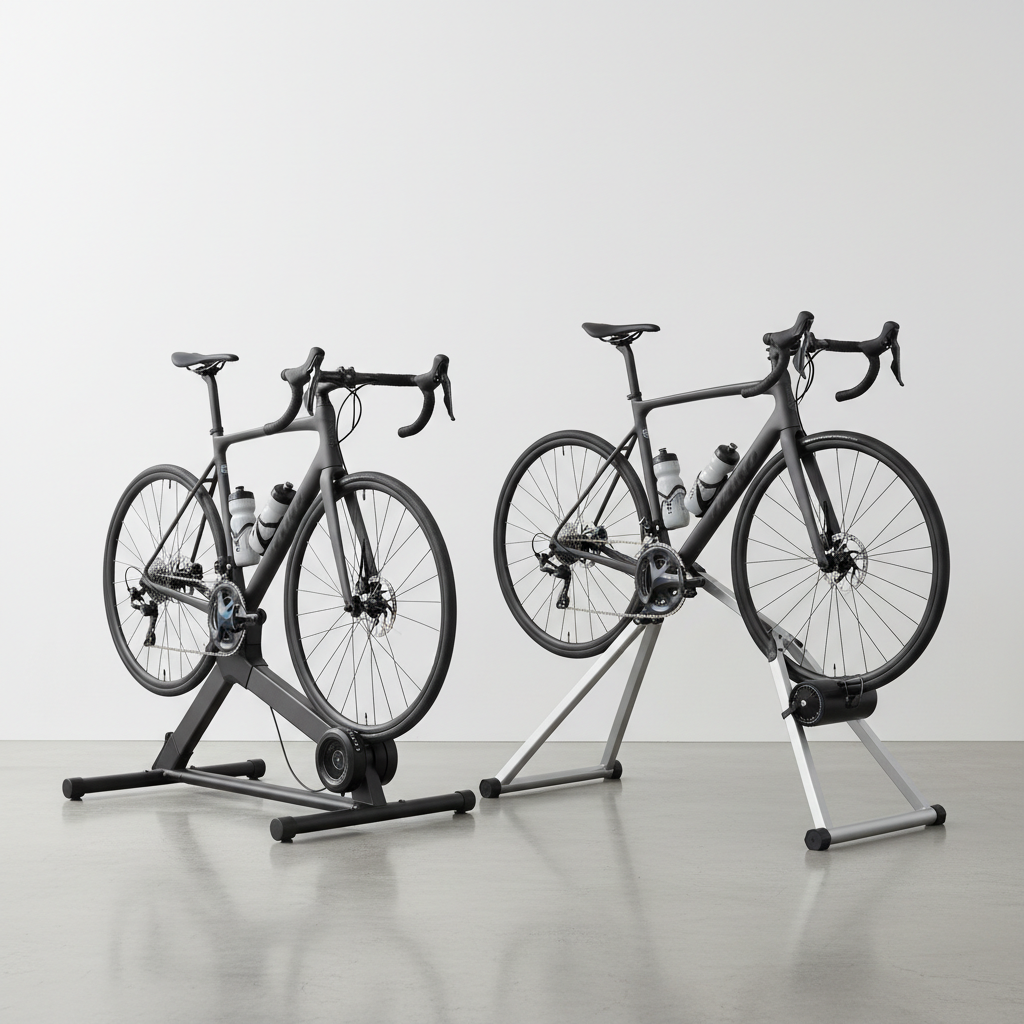
Key features that actually matter (and what you can ignore)
Spec sheets are noisy. Here are the features that tend to change day-to-day experience in a home environment.
Noise and vibration control
- Trainer design: direct-drive usually reduces the “tire roar” you get from wheel-on setups.
- Floor interface: a thick trainer mat and stable feet cut vibration transfer a lot in many homes.
- Fan noise: sometimes the fan is louder than the trainer, so plan for that.
Accuracy and repeatability (more important than bragging rights)
If you follow workouts, you want power that’s consistent day to day. Absolute accuracy matters, but repeatability is what keeps training zones useful.
- ERG mode: trainer holds target power during intervals, great for structured plans.
- Calibration: some models need spin-down or warm-up routines to behave well.
Compatibility and drivetrain convenience
- Axle standards: many modern bikes use thru-axles; confirm adapters are included.
- Cassette: direct-drive often needs a cassette purchase or swap, factor time and cost.
- App ecosystem: check that it plays nicely with Zwift, TrainerRoad, Wahoo SYSTM, or your preferred platform.
According to Zwift, connectivity stability (Bluetooth/ANT+) and a predictable resistance feel are big parts of an enjoyable indoor experience, which lines up with what most home riders report anecdotally.
Practical recommendations by scenario (how to choose without regret)
Rather than naming one universal winner, here’s how to pick the right “best” category for your home and goals.
If you live in an apartment or ride early/late
- Lean toward direct-drive smart trainers for lower drivetrain noise.
- Add a dense mat plus a small layer like a yoga mat under it if vibration travels.
- Prioritize easy mounting, because you’ll ride more when setup feels painless.
If you want structured training with minimal fuss
- Choose a smart trainer with stable ERG performance and reliable connectivity.
- Pair with a heart rate strap if you want a second signal to sanity-check effort.
- Keep a simple routine: 10-minute warm-up, then intervals, then cooldown.
If you’re budget-limited but still want “smart” control
- A wheel-on smart trainer can deliver solid workouts if you accept more noise.
- Use a trainer tire to reduce wear and improve consistency.
- Do periodic calibration so your numbers don’t drift as the tire heats up.
If you travel or need to store everything in a closet
- Check folded footprint and carry handles.
- Favor quicker clamp systems and fewer adapter parts to lose.
If you’re still torn, default to the option that makes riding easiest this week. In practice, that’s often the real best indoor bike trainer for home decision rule.
A quick comparison table (use this to narrow your shortlist)
| Trainer type | Noise (typical) | Setup time | Training feel | Best fit at home |
|---|---|---|---|---|
| Direct-drive smart | Lower | Medium | Most consistent | Apartments, frequent training, serious plans |
| Wheel-on smart | Higher | Low | Good with calibration | Budget smart training, occasional rides |
| Non-smart trainer | Varies | Low | Depends on rider discipline | Simple fitness, low-tech reliability |
| Rollers | Medium | Medium | Technique-focused | Skill building, lighter sessions, confident riders |
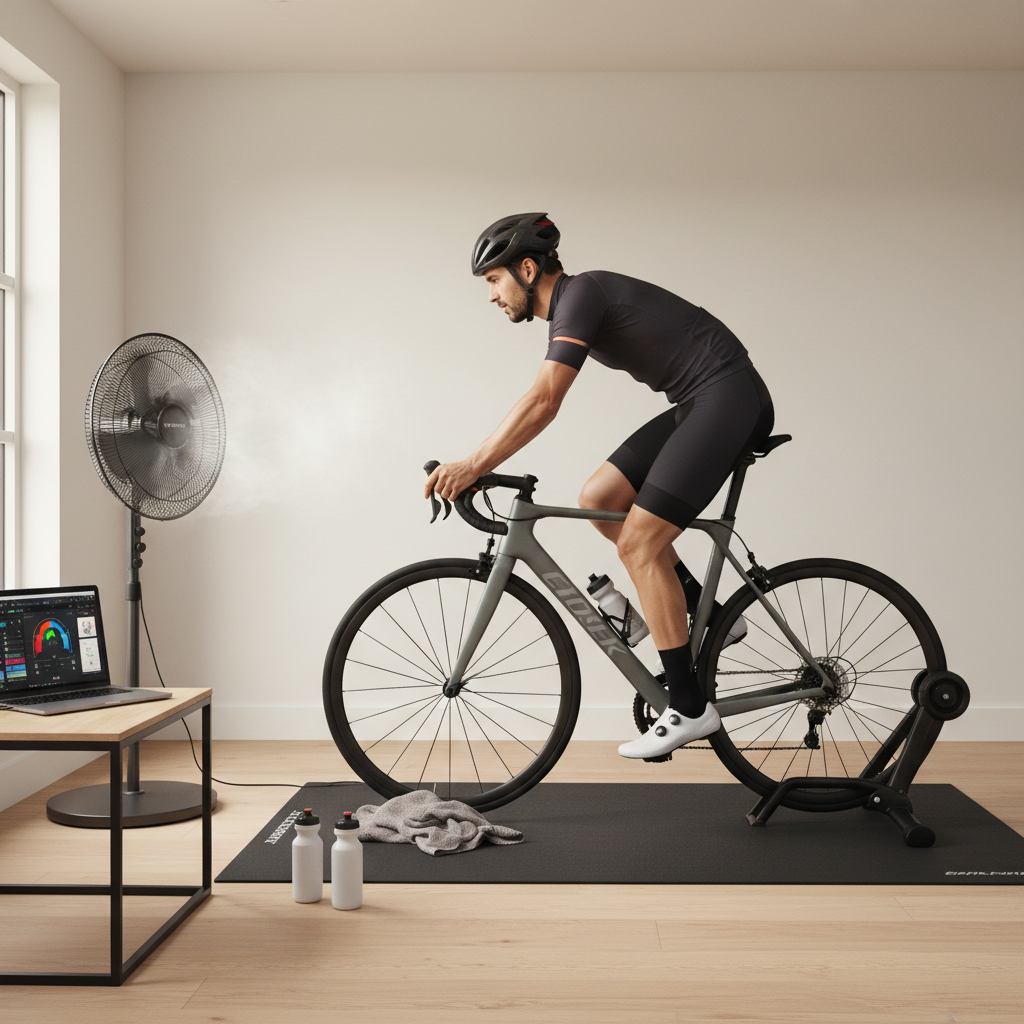
Setup tips that make indoor riding feel 10x better
Even the best hardware feels mediocre if the setup is off. These are the upgrades that tend to pay back fast.
- Get a real fan: overheating is a common reason indoor sessions feel “too hard.”
- Protect the floor: mat for sweat and vibration, plus a small towel on the top tube.
- Level the bike: a front wheel block or a thick book can stop wrist and saddle discomfort.
- Dial in contact points: saddle height and reach often feel different indoors, small tweaks help.
- Plan entertainment: workout app, music, or a show; boredom kills consistency.
According to CDC, regular physical activity supports overall health, but if you have medical conditions or you’re returning after time off, it’s reasonable to check with a healthcare professional before pushing intensity.
Common mistakes to avoid (these cause most “I hate my trainer” moments)
- Ignoring compatibility: the “it should fit” assumption turns into adapter headaches, verify axle and cassette needs.
- Underestimating noise: wheel-on trainers can be fine, but in many apartments they create complaints quickly.
- Skipping warm-up: smart resistance can feel harsh cold, a gradual warm-up smooths everything.
- Chasing perfect accuracy: consistency beats obsessing over a 1–2% spec difference for most home riders.
- No cooling plan: without airflow, perceived effort spikes and training quality drops.
If your knees or hips hurt indoors but not outside, don’t force it. Small fit changes can help, and persistent pain is a good reason to consult a bike fitter or medical professional.
Bottom line: how to buy confidently for 2026
Pick the best indoor bike trainer for home by matching your living situation and riding habits: direct-drive if quiet and consistency matter most, wheel-on if cost and simplicity win, and don’t forget that your fan and mat can matter as much as the trainer itself.
Your next step: write down your bike’s axle type and drivetrain, decide your noise tolerance, then shortlist two trainers in the right category and compare compatibility and return policies before buying.