
Stress Relief Sport works best when you treat movement as a pressure-release valve, not another performance metric, because the goal is a calmer body and a quieter mind, not a perfect workout.
If your stress feels “stuck” in your shoulders, your chest, or your sleep, sports can help because they give your nervous system something concrete to do: breathe, move, focus, recover. The catch is that not every sport calms every person, and plenty of people accidentally choose routines that spike stress instead.
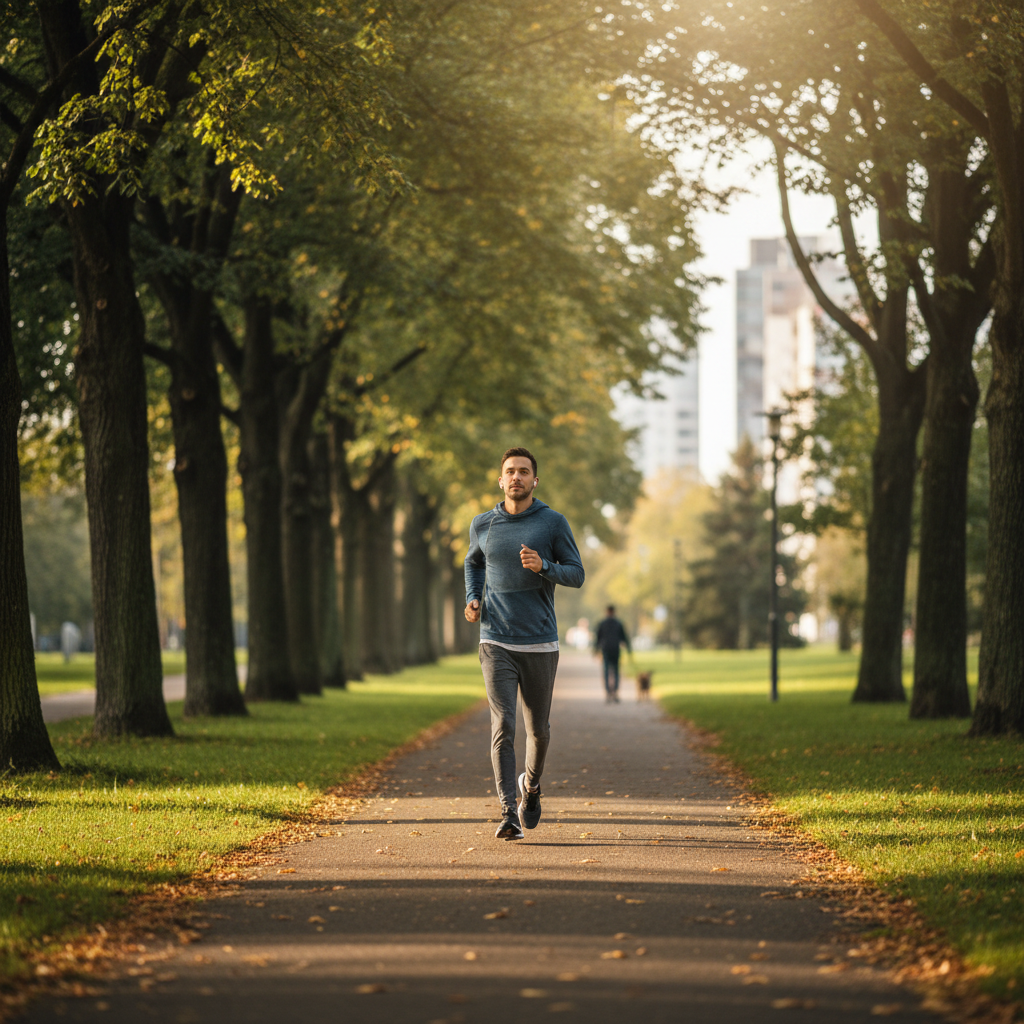
This guide focuses on practical choices: what kinds of sports tend to reduce stress, how to tell what you personally need, and how to build a routine that stays supportive even on busy weeks.
Why sports can reduce stress (and why it sometimes backfires)
Stress relief from sport usually comes from a mix of physiology and attention, you are moving your body while your mind gets fewer chances to spiral.
- Nervous system shift: rhythmic movement plus steadier breathing can nudge your body toward a calmer state, many people notice this after 10–20 minutes.
- Better sleep pressure: physical exertion often helps sleep quality, and sleep makes stress feel less “sharp” the next day.
- Focused attention: sports give your brain a task, tracking a ball, counting strokes, staying balanced, which can crowd out worry loops.
- Social buffering: team sports or group classes add connection, and connection often reduces perceived stress.
But sports can also backfire when intensity or expectations run too high, if you use exercise as punishment, chase aggressive goals during a rough season, or pick a sport that triggers comparison or anxiety, your “relief” turns into another stressor.
According to the American Psychological Association, physical activity can help manage stress, and benefits often depend on consistency and choosing activities you will actually do.
Pick your “stress type” before you pick a sport
People often ask for the best Stress Relief Sport, but the better question is what kind of stress you are trying to offset, because your choice should match your symptoms.
Quick self-check (choose what sounds like you)
- Wired and restless: racing thoughts, fidgety energy, trouble sitting still.
- Tense and tight: jaw clenching, neck and shoulder tightness, headaches that feel stress-related.
- Mentally drained: low motivation, “everything feels hard,” you want gentle structure.
- Socially isolated: stress plus loneliness, you want people around but not high pressure.
Use that as your filter, then choose the sport style that fits, not the one that looks most impressive.
Sports that tend to work well for stress relief (by scenario)
Below are common categories that many people find calming, plus what they are good at. You can mix them week to week, your body usually likes variety.
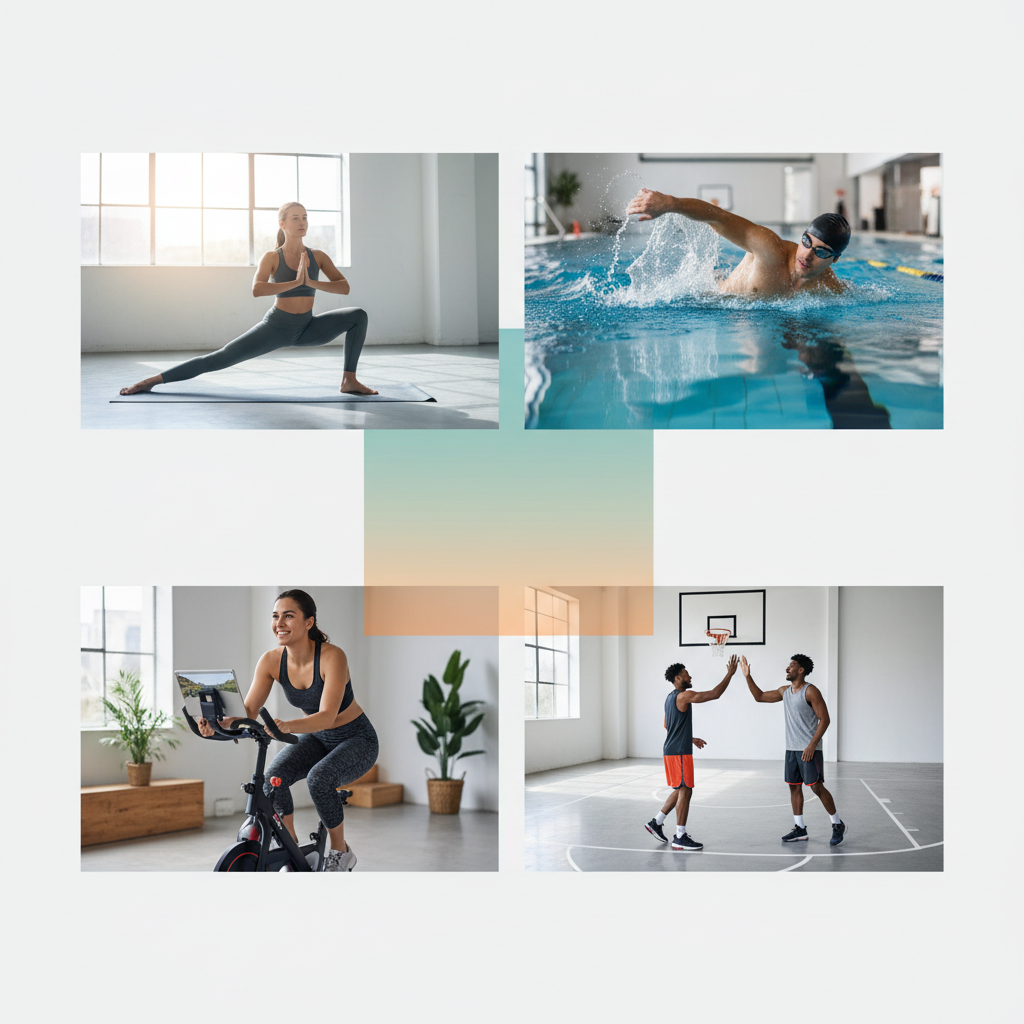
1) Rhythmic endurance (walk/jog, cycling, swimming)
- Best for: “wired” stress, busy minds, sleep support.
- Watch for: pace obsession, turning every session into a time trial.
2) Skill-based sports (tennis, pickleball, climbing, martial arts basics)
- Best for: rumination, because your attention stays on technique and timing.
- Watch for: frustration spikes, keep the learning curve friendly.
3) Low-and-slow strength (basic weight training, kettlebell fundamentals)
- Best for: feeling powerless or scattered, strength work can feel grounding.
- Watch for: maxing out when you are already overloaded, choose submaximal sets.
4) Mobility-focused practices (yoga, Pilates, tai chi)
- Best for: tension, tight breathing patterns, posture stress.
- Watch for: expecting instant “zen,” give it a few sessions.
5) Team or group sports (basketball runs, soccer leagues, rowing clubs)
- Best for: isolation stress, emotional lift from shared effort.
- Watch for: overly competitive environments, pick recreational groups.
A simple 2-week starter plan you can actually follow
If you want Stress Relief Sport benefits without overhauling your life, run a short experiment. Two weeks is long enough to notice changes, and short enough to stay realistic.
Rules that keep it stress-reducing
- Keep intensity conversational for most sessions, you should be able to speak in short sentences.
- Stop while it still feels good once or twice per week, leaving a little in the tank builds trust.
- Anchor to a cue like “after work” or “after dropping kids off,” not motivation.
Two-week schedule (mix and match)
- Day 1: 20–30 min brisk walk or easy cycling
- Day 2: Light strength session (30–40 min, basic movements)
- Day 3: Rest or gentle mobility (10–20 min)
- Day 4: Skill sport session (pickleball, climbing intro, martial arts basics)
- Day 5: Easy cardio again (20–40 min)
- Day 6: Social sport or group class (recreational level)
- Day 7: Full rest, short walk if you want
Repeat once more, then adjust based on how you sleep, how your body feels, and whether you dread sessions or look forward to them.
Use this table to choose the right sport on a stressful day
This is the decision tool many people need, because stress changes day to day, and your choice should flex with it.
| How you feel right now | What to do | Keep it stress-friendly by |
|---|---|---|
| Restless, anxious, can’t sit still | Easy run/walk intervals, cycling, swimming | Start slower than you want, extend the warm-up |
| Tight shoulders, shallow breathing | Yoga, mobility flow, light rowing | Longer exhales, avoid forcing deep stretches |
| Mentally fried, low willpower | Short strength circuit, simple machines, walking | Pre-plan 4–6 moves, keep sets easy |
| Lonely or irritable | Recreational team sport, group class | Pick friendly groups, set “fun” as the goal |
| Overstimulated | Nature hike, solo swim, quiet court practice | Lower music/podcast volume, reduce screen time after |
Common mistakes that keep exercise from relieving stress
These are the patterns that make people swear sports “don’t work,” when the issue is usually dosage or mindset.
- Going too hard too often: if every session is intense, recovery stress stacks up.
- Using workouts to erase guilt: that mental frame can raise pressure even if the workout is fine.
- No warm-up, no cool-down: your body stays keyed up, even though you “worked out.”
- Only choosing what you think you should do: adherence matters more than the trendy option.
- Ignoring pain signals: stress relief should not mean pushing through sharp pain.
According to the Centers for Disease Control and Prevention, regular physical activity supports mental health, but people should scale activity to their fitness level and consider safety, especially when starting.
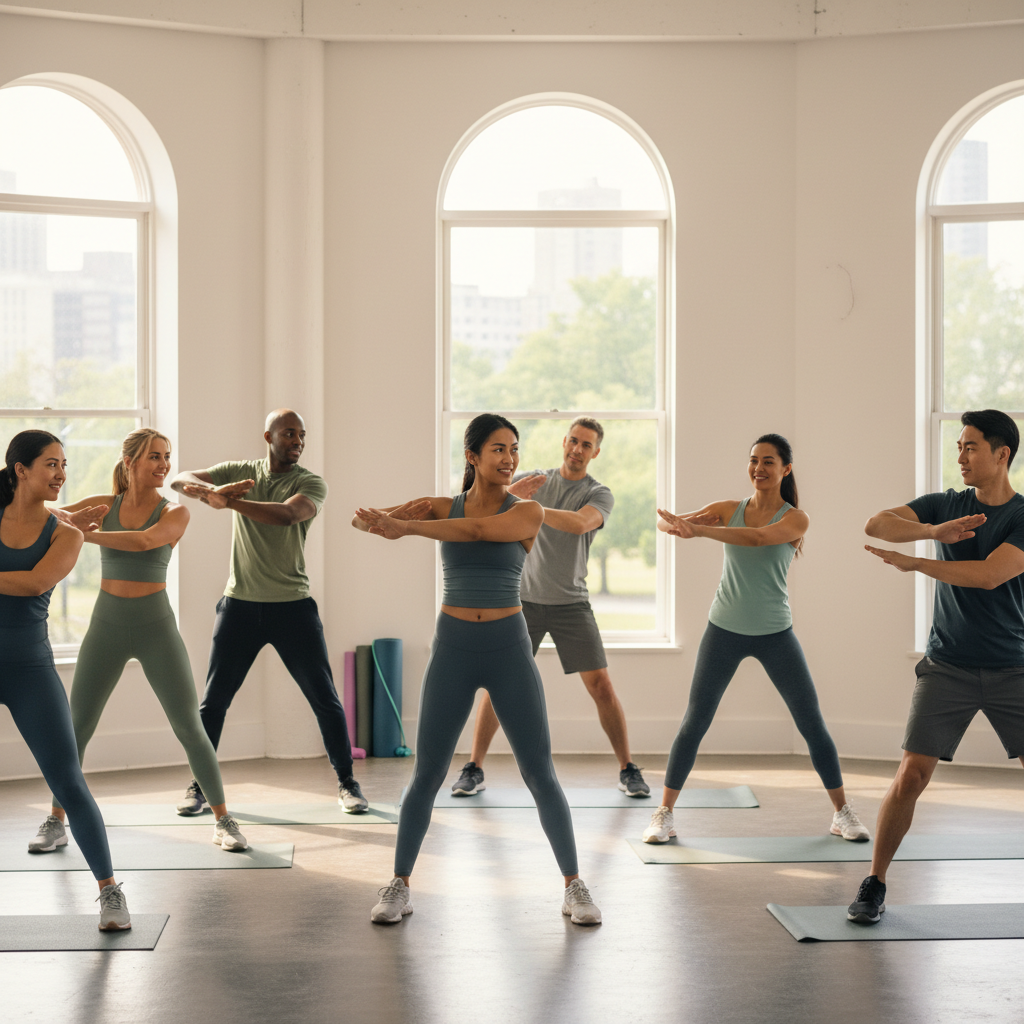
Key point: if you finish a session feeling punished, you will resist doing it again, and consistency is where the stress benefits usually show up.
When to get professional guidance (and what “safe” looks like)
Most people can start a gentle Stress Relief Sport routine on their own, but certain situations deserve extra care.
- New or worsening chest pain, dizziness, fainting, or severe shortness of breath: stop and seek medical advice promptly.
- Injuries that change your gait or limit daily function: a physical therapist or sports medicine clinician can help you pick safer options.
- High stress plus panic symptoms: exercise may help, but pairing it with a licensed mental health professional often works better.
- History of overtraining or eating disorders: structured support matters, because exercise can become compulsive.
According to the National Institutes of Health, exercise can support mental well-being, but individual conditions vary, and it is reasonable to consult a clinician if symptoms feel intense or persistent.
Conclusion: make sports your reset button, not another obligation
Stress relief through sports stays reliable when you pick an activity that matches your stress pattern, keep most sessions moderate, and prioritize consistency over intensity. If you want one action step, choose one sport you do not dread and schedule two short sessions this week, then notice sleep, mood, and tension, those signals tell you what to adjust next.
FAQ
What is the best Stress Relief Sport for beginners?
Walking, easy cycling, and beginner swimming often work well because you can control intensity. The “best” choice is usually the one you will repeat three times next week without negotiating with yourself.
How long does it take for sports to reduce stress?
Some people feel calmer within one session, especially with rhythmic cardio, but longer-term changes often show up after a couple of consistent weeks. If you feel worse after most sessions, consider lowering intensity or switching sport style.
Is high-intensity training good for stress relief?
It can be, especially if you enjoy it and recover well, but during high-stress life periods it may add strain. Many people do better keeping intense workouts occasional and using moderate sessions as the baseline.
What if exercise makes my anxiety worse?
That happens, elevated heart rate can feel similar to anxiety symptoms. Try longer warm-ups, nasal breathing when possible, and lower intensity, and if anxiety remains strong, it may help to discuss it with a clinician.
Can team sports reduce stress even if I’m not athletic?
Often yes, recreational leagues exist for all levels, and the social element can be the main benefit. Look for beginner-friendly groups with a “fun first” culture, not win-at-all-costs energy.
How many days per week should I do a sport for stress relief?
Two to four days per week works for many schedules, with one longer session if you enjoy it. If you are starting from zero, even two short sessions can be enough to feel a difference.
What sport helps most with stress-related tight shoulders and neck pain?
Mobility-focused practices like yoga or Pilates may help, and light rowing or swimming can support posture, but pain has multiple causes. If symptoms persist or worsen, a physical therapist can help you sort out what is safe.
If you’re trying to build a Stress Relief Sport routine but keep getting stuck on what to do, how hard to go, or how to fit it into a messy schedule, a simple weekly plan and a beginner-friendly class or coach can make the process feel much less personal, like you are following steps instead of fighting yourself.