
Sport Sunglasses make or break an outdoor session when glare blinds you, lenses fog on climbs, or frames bounce the moment you pick up speed. If you play outside often, you already know it’s not just about style, it’s about seeing clearly and staying comfortable when conditions change.
What’s tricky is that “sports sunglasses” can mean very different things depending on the sport, your face shape, and even where you live. A lens that feels perfect on a cloudy trail run can be miserable on open-water paddling at noon, and a great cycling wrap can feel overkill for casual tennis.
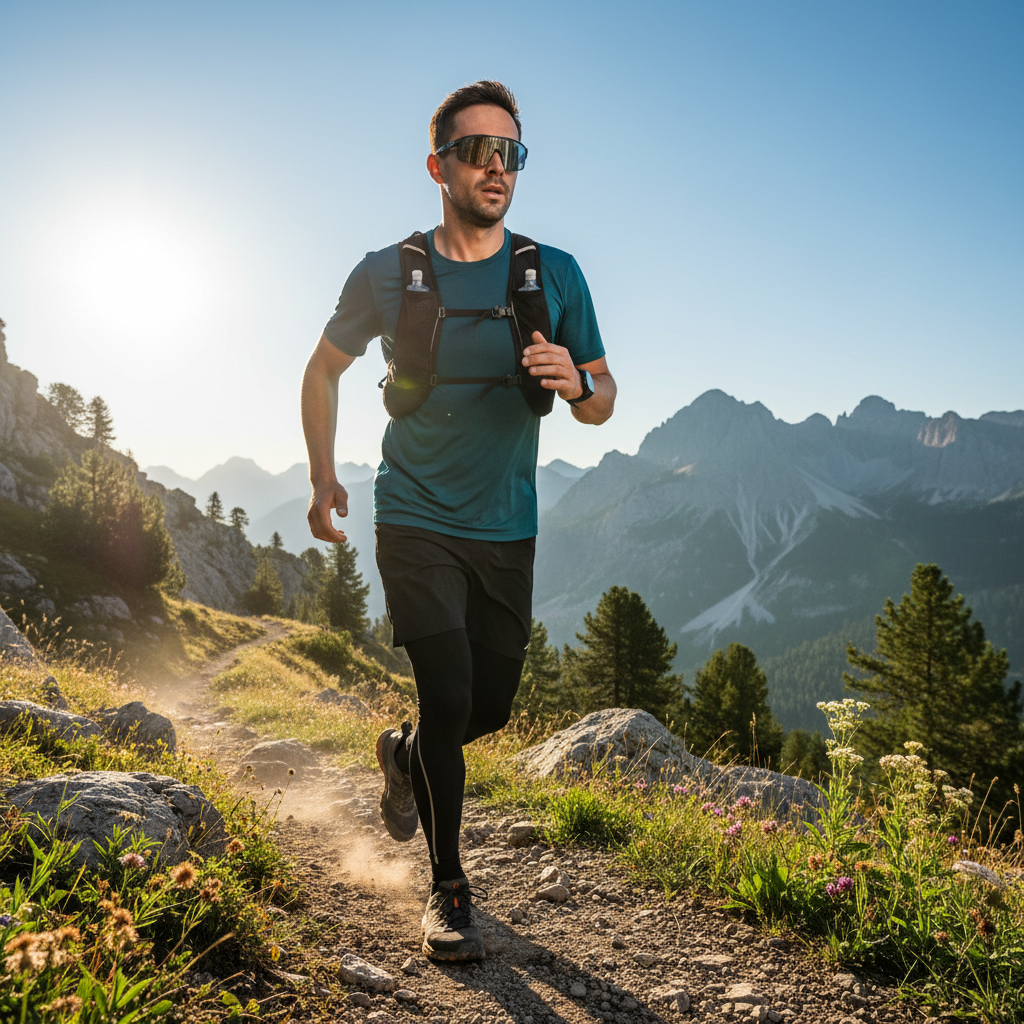
This guide focuses on the real buying decisions: lens protection, tint choices, fit, ventilation, and durability. You’ll get a quick self-check, a sport-by-sport recommendation table, and a short checklist you can actually use before clicking “buy.”
What Sport Sunglasses Actually Need to Do Outdoors
In outdoor sports, sunglasses work like a piece of safety gear. Comfort matters, but clarity and protection matter more, especially when you move fast or rely on precise depth perception.
- Eye protection from UV: Look for 100% UVA/UVB protection. According to the American Academy of Ophthalmology, UV protection helps reduce long-term eye damage risk, and “darker” lenses do not automatically mean better UV blocking.
- Glare control: Polarized lenses often help on water, snow, and bright pavement, though they can reduce visibility of some screens or certain terrain cues in niche scenarios.
- Impact resistance: For higher-speed or contact risk, polycarbonate or Trivex lenses are common because they tend to handle impacts better than standard plastic.
- Stable fit: A secure bridge and grippy temple tips reduce bounce and pressure hot spots.
- Fog management: Venting and coatings can help, but fit and airflow usually decide whether fog becomes your “new normal.”
If a pair nails UV and fit but fails fog control for your conditions, you’ll stop wearing it. That’s the part many buyers underestimate.
Lens Choices That Matter: UV, Polarization, Tint, and Photochromic
Lenses drive most of the performance. Frames are important, but if the lens choice is wrong, the rest can’t save it.
UV protection (non-negotiable)
Prioritize lenses labeled 100% UVA/UVB or UV400. If you’re buying from an unfamiliar marketplace listing, this is where skepticism pays off, because labeling varies and not every product description is equally reliable.
Polarized: great for water and road, not always for every sport
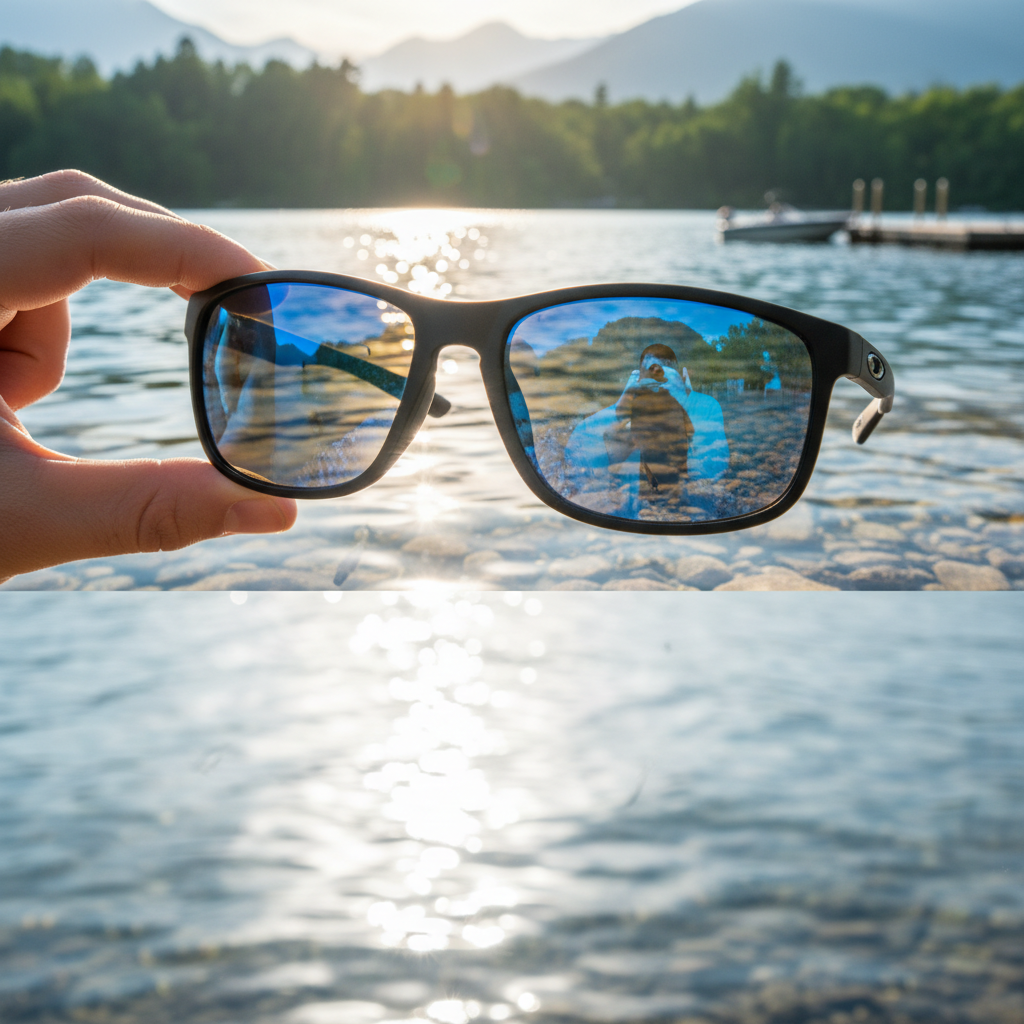
Polarization cuts reflected glare, which can feel like instant relief on lakes, ocean surf, snow fields, and bright roads. The tradeoff is that some athletes notice subtle changes in how they read certain screens or judge surface texture. If you ride with a bike computer, test it early in the return window.
Tint and visible light transmission (VLT) in plain English
VLT is basically “how much light gets through.” Lower VLT means darker lenses for strong sun; higher VLT means brighter lenses for shade and variable light.
- Gray: neutral color, common for bright sun and all-around use.
- Brown/amber: boosts contrast, popular for mixed light and trail conditions.
- Rose: often used for contrast in certain outdoor settings; preference varies widely.
- Clear/yellow: for low light or wind/dust protection, not for bright sun.
Photochromic lenses (adaptive tint)
Photochromic lenses darken in sun and lighten in shade. They’re convenient for long rides or runs with changing light, but they may not change as fast as you’d like in some situations, and in a car they can behave differently because of windshield filtering.
Fit and Coverage: Where Most People Get It Wrong
A lot of “bad sunglasses” are really “bad fit.” You can often predict comfort problems in 30 seconds if you know what to look for.
- Coverage: Wraparound designs reduce side light and wind, useful for cycling, running, and snow sports.
- Nose piece: Adjustable pads can help if glasses slide when you sweat. If you have a low bridge fit challenge, look for designs built for that geometry.
- Temple pressure: Too tight causes headaches; too loose causes bounce. Many people tolerate this in-store, then hate it after 45 minutes outside.
- Helmet/hat compatibility: Cycling and climbing often expose problems at the temples and behind the ears.
Quick reality check: if you constantly push frames back up your nose, you don’t need “more grit,” you need a better bridge fit or more grip where it matters.
Self-Check: Pick the Right Sport Sunglasses in 2 Minutes
Answer these honestly. Your choices narrow down fast.
- Where do you play most? Open water/snow, open road, wooded trail, or mixed.
- Is fog your recurring problem? If yes, prioritize ventilation and fit over ultra-sealed coverage.
- Do you need prescription? If yes, decide between RX lenses, inserts, or wearing contacts (if appropriate for you).
- Do you check a screen while moving? If yes, polarization may need testing.
- How hard are you on gear? If you drop sunglasses often, durability and scratch management matter more than fancy coatings.
When you’re unsure, start with a versatile lens (often gray or brown) and a stable, medium-wrap fit. Specialty lenses come later when you’ve learned what annoys you.
Sport-by-Sport Recommendations (Practical, Not Perfect)
This is a starting map, not a strict rulebook. Individual sensitivity to light and fit varies a lot.
| Sport | Lens Priority | Frame Priority | Common Pitfall |
|---|---|---|---|
| Running | Contrast + moderate VLT | Lightweight, no bounce | Fogging on climbs, sliding with sweat |
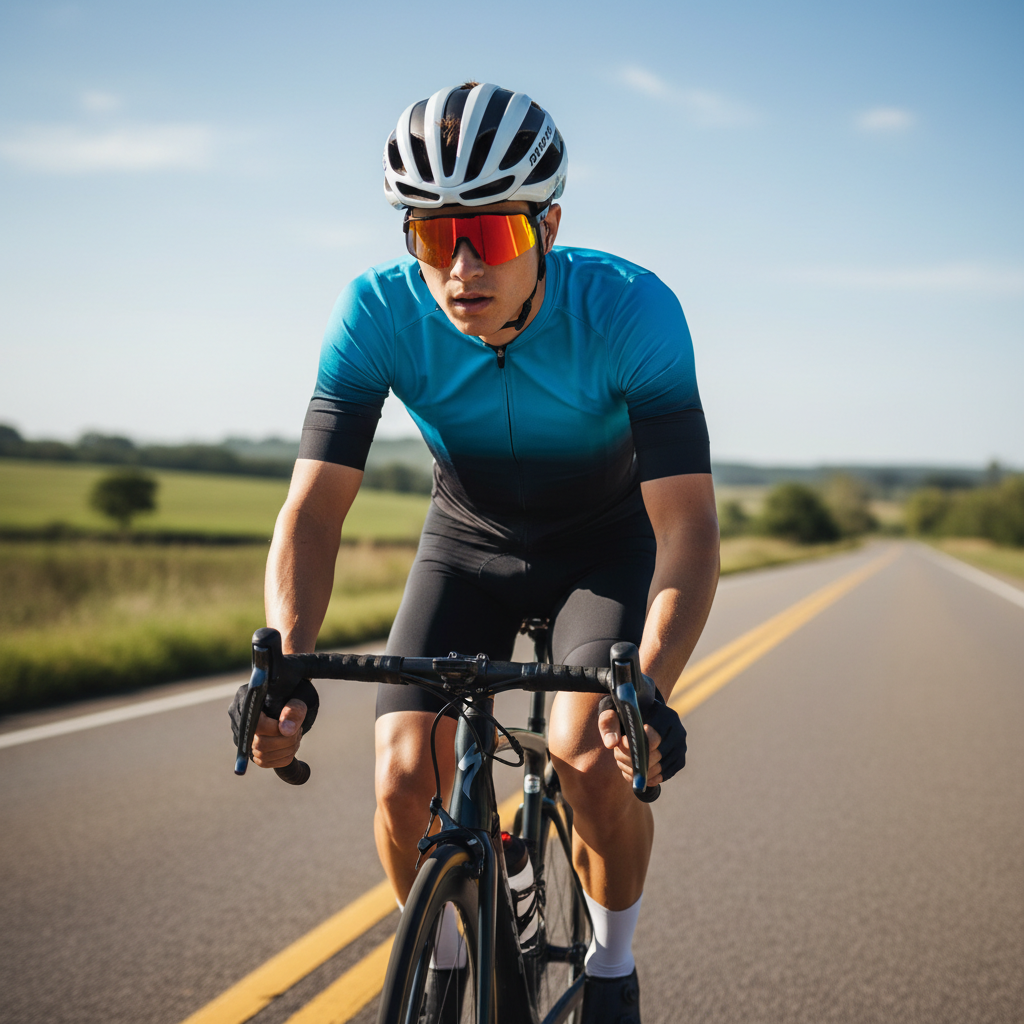
| Cycling | Full coverage + glare control | Wrap, helmet-friendly temples | Dry eyes from wind, lens too dark in shade |
| Hiking | All-day comfort + UV | Comfortable pressure points | Choosing fashion frames that leak side light |
| Water sports | Polarized + secure visibility | Retention option, corrosion-resistant | Losing glasses, glare fatigue |
| Golf/Tennis | Depth perception + contrast | Stable but not overly wrap | Lens tint that distorts greens/courts |
| Snow sports | High glare control | Full coverage, wind block | Using sunglasses when goggles fit the conditions better |
Key takeaway: pick lenses for light and terrain first, then pick frames for stability and comfort. Most regret comes from doing that in reverse.
Buying and Setup Tips You Can Use Immediately
Small setup choices often fix the annoying issues people blame on “bad sunglasses.”
Try this before you return them
- Adjust nose pads if the model allows it, tiny changes can stop sliding.
- Test for pressure points by wearing them indoors for 20–30 minutes, you’ll feel hot spots early.
- Check peripheral glare by facing a bright window and turning your head slowly.
- Simulate your sport: look down like you do on a bike, look up like you do on a climb, see if the frame shifts.
Care and durability (the unglamorous part)
- Rinse grit off before wiping, dry wiping is a fast track to micro-scratches.
- Use a hard case in a gym bag, towel-wrapped sunglasses still get crushed.
- If you use sunscreen, let it set before putting frames on, many formulas leave film on lenses and nose pads.
Mistakes to Avoid and When to Get Professional Help
Some problems are shopping mistakes, others are eye-care issues in disguise.
- Mistaking darkness for protection: UV protection comes from lens material/coatings, not just tint depth.
- Ignoring distortion: if the lens makes lines look warped or gives you a mild headache, trust that signal.
- Overbuying “max wrap”: more wrap can mean more fog and more pressure, especially for wider faces or certain helmet setups.
- Skipping retention for water: even stable frames can get knocked off by a wave or a fall.
According to the American Optometric Association, regular eye exams matter for overall eye health, and if you notice frequent headaches, unusual light sensitivity, or changes in vision during sports, it may be worth discussing with an eye-care professional. If you need prescription Sport Sunglasses, an optician can also help you choose lens materials and coatings that match your activity level.
Conclusion: A Simple Way to Choose Without Overthinking
If your outdoor sessions involve bright sun, wind, and fast movement, Sport Sunglasses should deliver three things: reliable UV protection, a lens tint that matches your light, and a fit that stays put without squeezing. Everything else is a bonus.
Pick one primary use case, road, trail, water, then choose a lens built for that environment and a frame you can wear for an hour without fiddling. If you do that, you usually end up with a pair you actually reach for, not one that lives in the glove box.
FAQ
What are Sport Sunglasses, and how are they different from regular sunglasses?
They’re built for movement: more stable fit, better coverage, and lens materials that tend to handle impact better. Regular fashion sunglasses can work for casual use, but they often slide, leak side glare, or feel uncomfortable during long activity.
Do I need polarized lenses for outdoor sports?
Many people like polarization for water and bright roads because it reduces harsh reflected glare. For some sports and for some athletes, it can make certain screens or subtle surface textures harder to read, so it’s smart to test early.
Are photochromic lenses worth it for cycling or running?
They can be, especially if your routes alternate between shade and sun. The main limitation is transition speed and how they behave in certain conditions, so they’re great for convenience but not always a perfect replacement for a dedicated dark lens.
How do I stop my sport sunglasses from fogging?
Fog usually comes from trapped warm air and sweat. Look for better ventilation, avoid overly sealed fits in humid conditions, and check whether the glasses sit too close to your face. Anti-fog coatings can help, but fit and airflow usually matter more.
What lens color is best for trail running?
Brown/amber is popular because it boosts contrast in mixed light, but preference varies by terrain and eye sensitivity. If your trails alternate between sun and trees, a mid-VLT contrast lens often feels more natural than a very dark tint.
Can I get Sport Sunglasses with prescription lenses?
Often yes. Options include direct RX lenses, RX inserts, or wearing contacts if that’s appropriate for you. For higher-speed sports, it’s worth asking an optician about impact-resistant materials and coatings.
How tight should sport sunglasses fit?
Snug enough to stay stable when you look down or bounce lightly, but not so tight that you feel temple pressure or a headache building. If you notice pressure within 20–30 minutes, it usually gets worse outside.
If you’re trying to narrow choices fast, focus on your most common sport and the light you face most days, then shortlist frames that match your fit and helmet or hat setup. That approach is usually more “buy once, wear often” than chasing the most advanced spec sheet.