
How to choose cycling socks length comes down to three things most riders feel right away: comfort inside the shoe, temperature control, and whether the cuff annoys your calves during a long ride.
If you have ever finished a ride with a pressure line on your shin, sweaty feet in summer, or cold ankles in shoulder season, sock height is usually part of the story, not just fabric thickness.
This guide breaks sock lengths into practical use-cases, shows a quick self-check, and gives a simple way to match height to your riding style, climate, and kit so you stop guessing in the drawer.
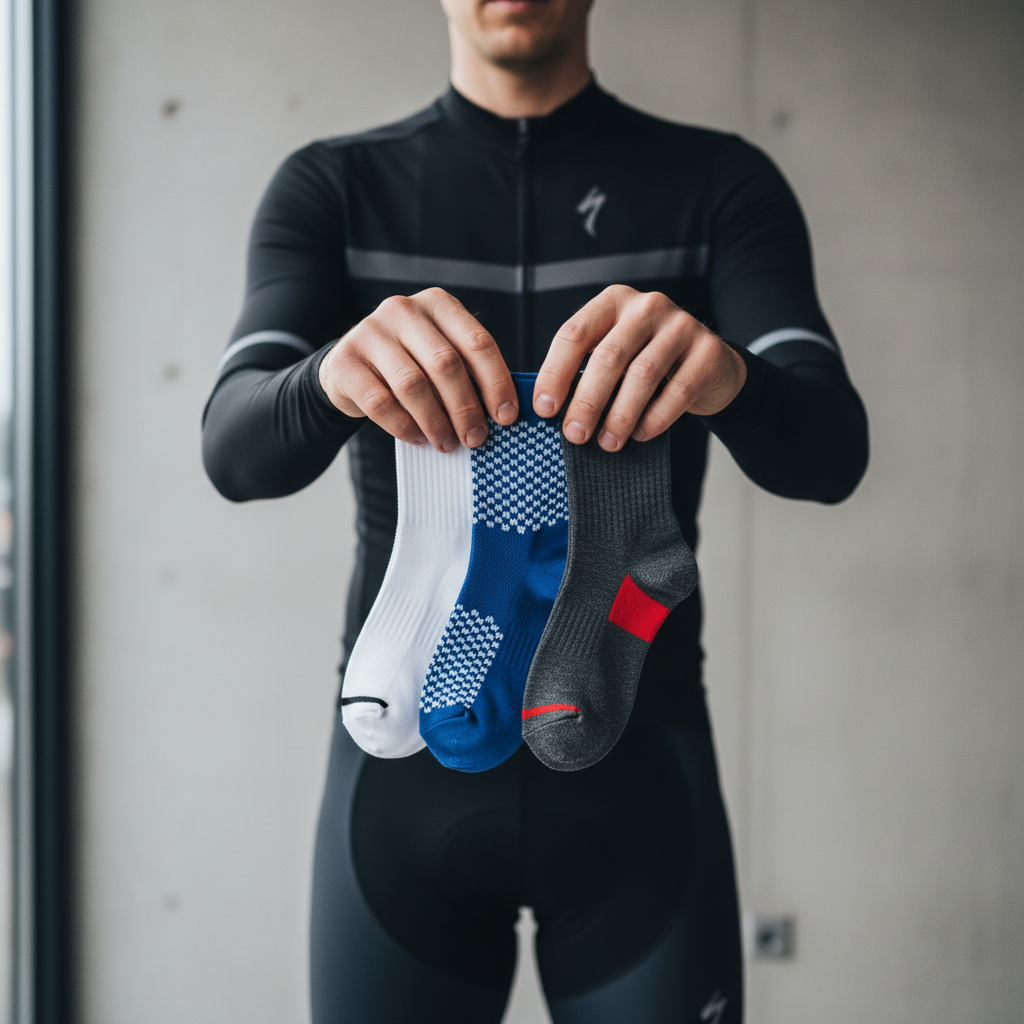
What “sock length” really means in cycling
When cyclists talk about length, they usually mean cuff height from the heel, not the overall size. Brands label it differently, but the common buckets look like this.
- No-show / low-cut: sits below the ankle bone, minimal coverage
- Quarter: covers the ankle bone, a bit of lower shin
- Crew: mid-calf, the most common road and gravel choice
- Mid-calf / tall: higher than crew, often used for style, sun coverage, or compression feel
Fit matters as much as height. A “crew” sock with a tight cuff can feel worse than a taller sock with a softer, wider welt, especially if you have larger calves.
Why sock height changes comfort and performance
Sock length sounds cosmetic until you connect it to friction, airflow, and how your shoes close around the foot and ankle.
Hot spots and rubbing
Low cuffs can let the shoe collar rub skin on long rides, while higher cuffs can protect the ankle and reduce irritation, particularly in stiff road shoes or when you ride without ankle guards.
Thermoregulation and moisture
Short socks dump heat fast, good for humid summers, but they expose more skin to windchill. Taller socks add coverage, and they often feel warmer even at the same fabric weight because they reduce exposed ankle area.
Sun exposure and debris
On gravel, taller cuffs can keep dust and tiny pebbles from sneaking into the shoe. For long sunny rides, more coverage can also reduce sunburn risk, though sunscreen still matters.
Rules, style, and “matching the kit”
In road cycling culture, crew height is the default look. For racing, rules can matter. According to UCI (Union Cycliste Internationale) regulations, socks must not exceed a specified maximum height in UCI-sanctioned events, so very tall socks may be non-compliant depending on the category and event enforcement.
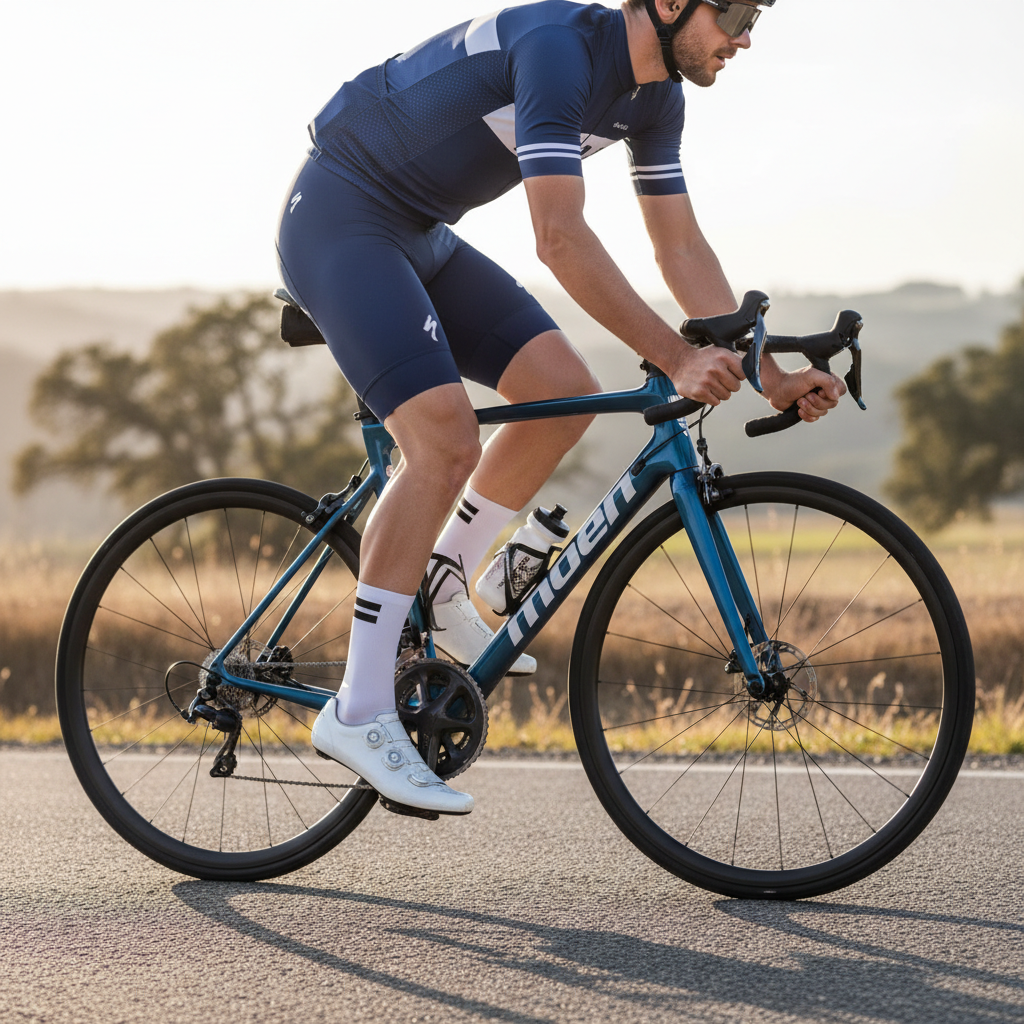
Quick self-check: which sock length fits you best?
Before you buy three more pairs, answer these quickly. Your pattern usually pops out.
- Your ride type: mostly road and group rides, mostly gravel, mostly indoor, or mostly commuting
- Your climate: hot and humid, hot and dry, variable shoulder seasons, cold mornings
- Your shoe collar: does it ever rub the ankle bone, or feel “sharp” at the edge
- Your calves: do tight cuffs leave marks or tingling
- Your priority: cooling, warmth, sun coverage, style, or debris protection
If ankle rubbing shows up even occasionally, favor quarter-to-crew. If heat is your main limiter, you can still go crew, but pick thinner fabrics and better ventilation rather than only shortening the cuff.
Choosing cycling socks length by ride scenario
This is the part most people actually want: a practical match between ride and cuff height. Use it as a starting point, then adjust based on your legs and shoes.
Road riding and group rides
- Most common pick: crew
- Why: stable feel, protects ankle from shoe collar, matches typical road kit
- When to go shorter: extreme heat, indoor-to-outdoor transitions where overheating is your issue
Gravel and mixed-surface rides
- Most common pick: crew or slightly taller
- Why: extra coverage helps with dust, brush, and occasional ankle contact
- When to go quarter: if you ride in very hot climates and your shoes already seal well
Mountain biking
- Most common pick: crew
- Why: coverage against trail debris and pedal/shoe abrasion
- When to go tall: if you like shin coverage or pair with knee pads
Indoor training
- Most common pick: quarter or crew
- Why: sweat management matters more than wind protection
- Tip: prioritize thin, fast-drying yarns; cuff height is secondary to ventilation
Commuting and errands
- Most common pick: quarter to crew
- Why: better with casual shoes post-ride, fewer exposed ankle issues in daily stop-and-go
Use this table: sock length vs. conditions
If you want a fast decision, this matrix usually gets you close without overthinking.
| Condition / priority | Low-cut | Quarter | Crew | Tall |
|---|---|---|---|---|
| Very hot, high sweat | Good | Very good | Good (if thin) | Okay (depends on fabric) |
| Variable temps, early mornings | Okay | Good | Very good | Very good |
| Ankle rub from shoe collar | Poor | Good | Very good | Very good |
| Gravel dust / light brush contact | Poor | Okay | Very good | Very good |
| Sun coverage | Poor | Okay | Good | Very good |
| Style “standard” for road kits | Okay | Okay | Very good | Depends on local norms |
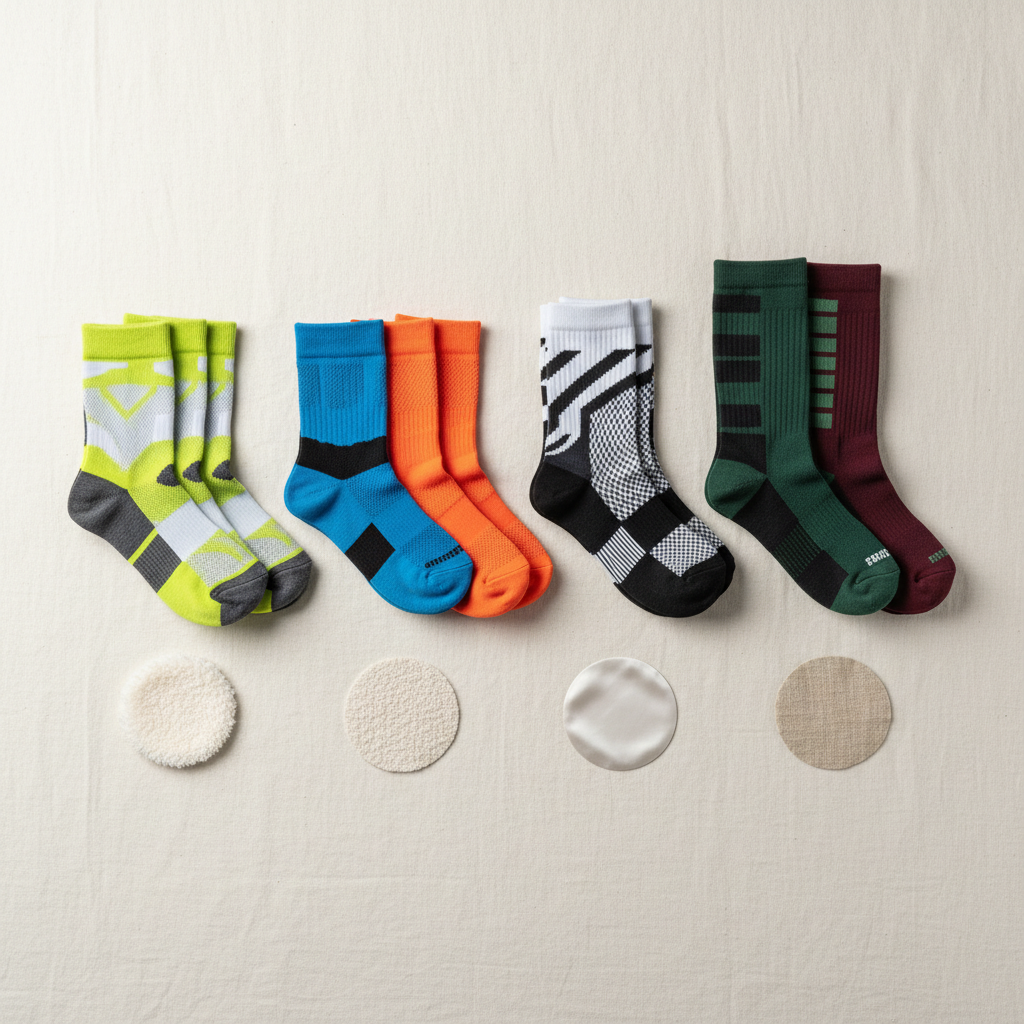
Practical steps: dial in length without wasting money
How to choose cycling socks length gets easier if you treat it like a small “system” instead of a one-time decision.
Step 1: pick one default height for most rides
For many riders, that default is crew, because it balances protection and comfort across seasons. If you live in a consistently hot area, quarter can be your default.
Step 2: add one “extreme heat” option
Choose low-cut or quarter in a thin knit, and use it only when you know heat will be the limiter. This avoids turning every ride into a compromise.
Step 3: match cuff tightness to your calves
If cuffs leave deep lines, go for socks advertised with a softer welt or a slightly taller cuff that spreads pressure over more area. Tingling or numbness is a cue to change fit, and if it persists, consider asking a medical professional.
Step 4: test with your actual shoes
Try the socks with the shoes you ride most. Walk around for five minutes, then do a short spin. If the shoe collar bites, you probably need more cuff height or a different sock construction.
Common mistakes (and what to do instead)
- Chasing height to fix sweaty feet: often the fabric and ventilation matter more than cuff length, so look for breathable mesh zones and moisture-wicking yarns.
- Going super short to “feel cooler”: it can backfire if your shoe collar rubs, then you end up with irritation that ruins long rides.
- Ignoring event rules: if you race, confirm what sock heights are acceptable for your events, especially if you buy tall aero-style socks.
- Assuming compression equals performance: some riders like the feel, others get discomfort. Comfort and circulation come first.
According to American Podiatric Medical Association (APMA), footwear comfort and proper fit matter for foot health, and if you have persistent pain, numbness, or skin breakdown, it makes sense to consult a qualified clinician. Socks are a small piece of that bigger fit puzzle.
Key takeaways and a simple recommendation
If you want one clear answer, pick crew-length as your baseline, then keep a thinner quarter option for peak summer. That combination covers most U.S. riding conditions without turning sock choice into a daily debate.
- Crew works for road, gravel, and MTB, and helps prevent ankle rub.
- Quarter is the easy add-on when heat and sweat drive discomfort.
- Tall socks make sense for sun coverage, debris protection, or personal preference, but check race rules if applicable.
Next step: open your sock drawer, pick your default height, then test it with your most-used shoes on your next two rides, comfort will tell you fast if you nailed it.