
Bodyweight core workout routines sound simple, but many people still feel their neck, hip flexors, or lower back doing the job instead of their abs. The good news is you can build a strong, stable midsection using just bodyweight, if you choose the right moves and cue them well.
This guide gives you a practical, equipment-free plan you can repeat, plus quick ways to adjust difficulty for your current level. No hype, just movements that tend to carry over to better posture, safer lifting, and cleaner form in other workouts.
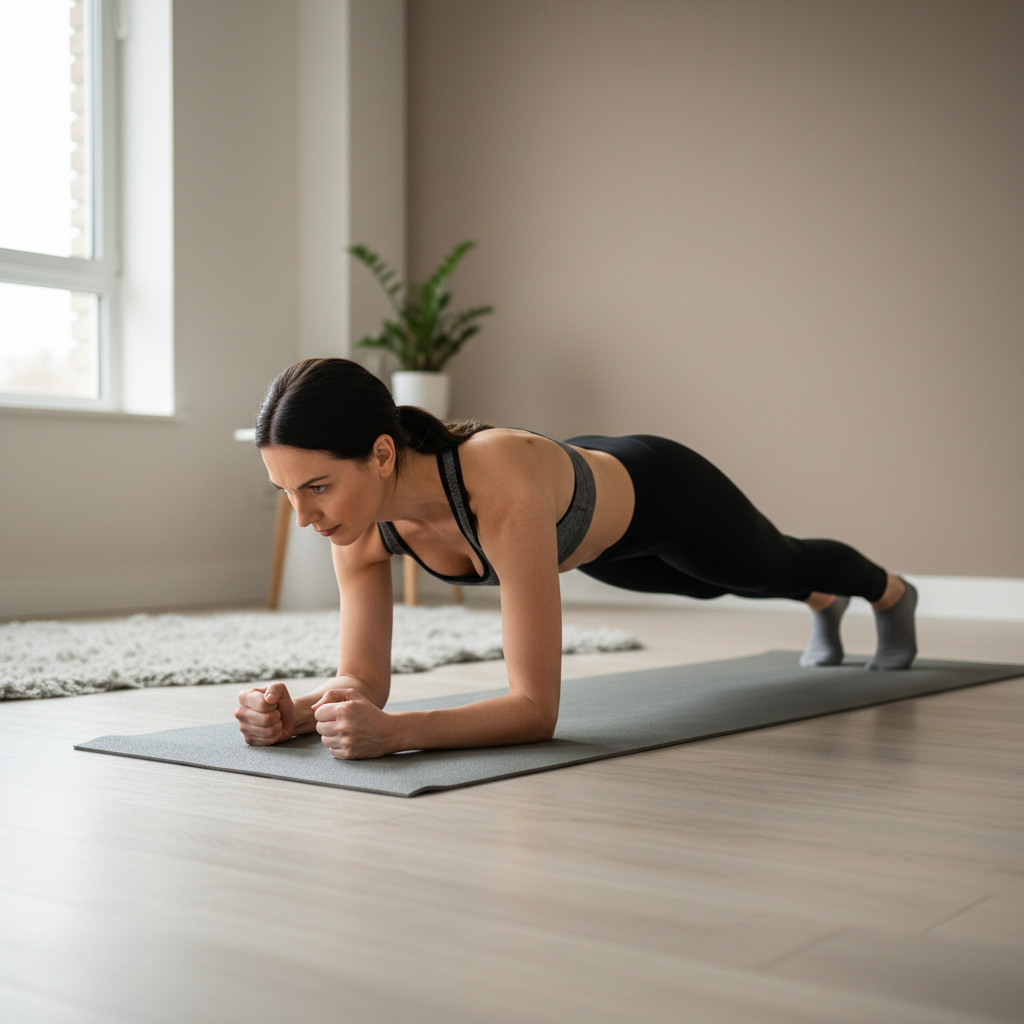
One quick expectation check: “core” is not just the six-pack area. It includes deep stabilizers that resist motion, control breathing, and keep your pelvis and ribs aligned. When that system works, a lot of nagging form issues calm down.
What a “core workout” should actually train
If your routine is only crunches, you might feel a burn, but you may miss the real job of the core: controlling your trunk under load and movement. A well-rounded bodyweight session usually includes these patterns.
- Anti-extension: resisting lower-back arching (planks, dead bug).
- Anti-rotation: resisting twisting (bird dog variations, slow cross-body work).
- Anti-lateral flexion: resisting side-bending (side plank).
- Controlled spinal flexion: occasional, well-managed curling (not endless reps).
- Breathing + bracing: using your diaphragm and abdominal wall together.
According to the American Council on Exercise (ACE), effective core training supports posture and helps the body move efficiently by improving stability and control. That stability is usually the missing link when people say their “abs never turn on.”
Quick self-check: why you might not feel your abs
Before you add more sets, check the common culprits. Most fixes are boring but instantly effective.
- Ribs flared up: your chest pops up and your low back arches, shifting work away from the abs.
- Hip flexors taking over: you feel the front of hips more than the midsection, often from leg-lift-heavy routines.
- Neck tension: chin juts forward on crunch-like moves, making your neck feel “worked.”
- Going too fast: momentum replaces control, especially on bicycle-style moves.
- No exhale: holding your breath can reduce abdominal engagement for many people.
A simple test: during a plank, can you exhale slowly through pursed lips for 4–6 seconds without losing position? If not, reduce intensity and rebuild control.
The bodyweight-only core workout (20–25 minutes)
This bodyweight core workout is built around stability first, then controlled movement. Plan on 2–4 rounds depending on time and training age.
Warm-up (3–5 minutes)
- 90/90 breathing (on back, feet on wall/chair): 4 breaths, slow exhales.
- Cat-cow: 6–8 slow reps.
- Glute bridge: 8–10 reps, pause 1 second at the top.
Main circuit (work/rest style)
Use 30–40 seconds work, 20–30 seconds rest. Keep reps slow enough that form stays clean.
- Forearm plank: reach long through heels, “tuck” ribs slightly, squeeze glutes.
- Dead bug: exhale as the leg/arm extends, keep low back heavy on the floor.
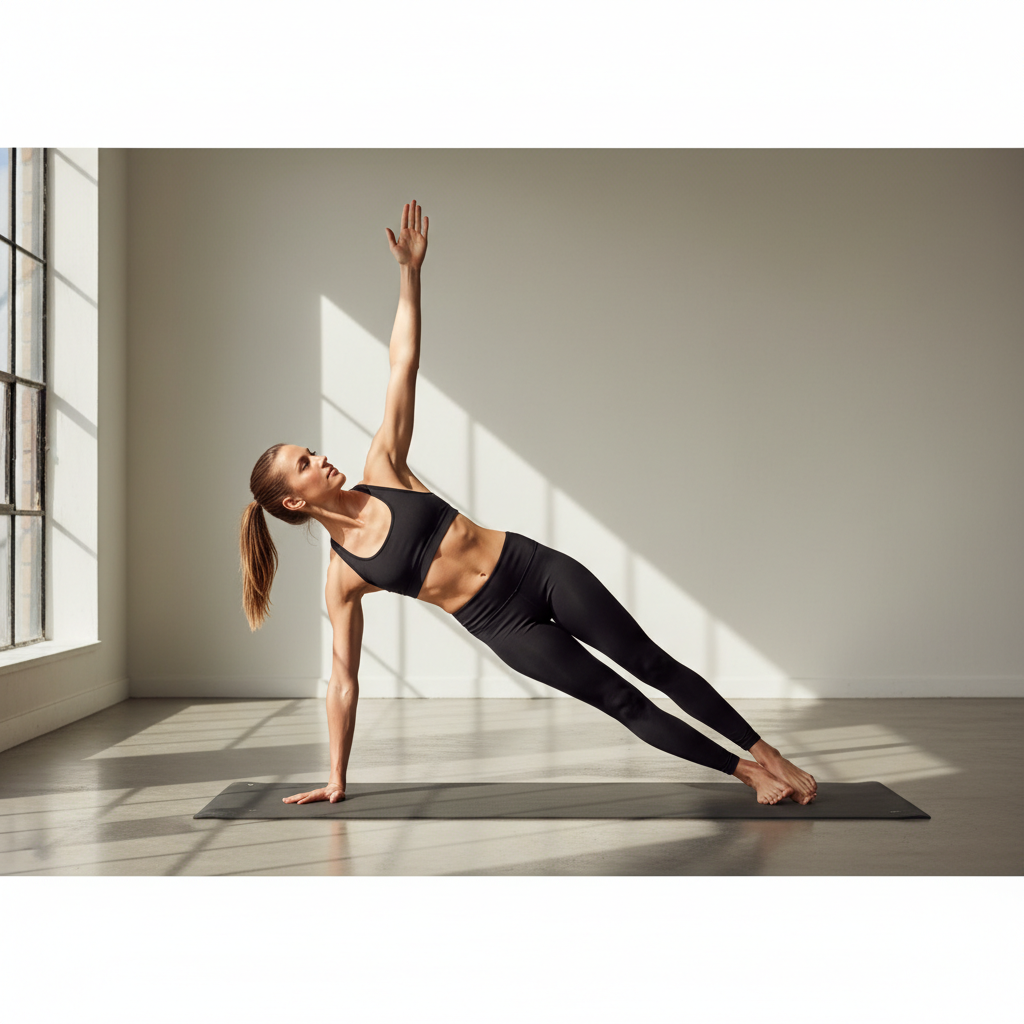
- Side plank (knee-down or full): think “hips forward,” not just “hips up.”
- Bird dog: pause 1–2 seconds at full extension, don’t rotate.
- Hollow hold or hollow rock (choose control over time): ribs down, breathe shallow.
Optional finisher (2–4 minutes)
- Slow mountain climbers: 6–10 each side, knees travel under control.
- Reverse crunch (controlled): 6–10 reps, avoid swinging.
If you do the finisher, treat it like a quality test, not a sprint. When your pelvis starts dumping forward and your back arches, you already got the benefit, stop there.
Progressions and regressions (so it fits your level)
The best plan is the one you can repeat without pain or form breakdown. Use this table to adjust difficulty without changing the whole workout.
| Exercise | Make it easier | Make it harder | Form cue that matters |
|---|---|---|---|
| Forearm plank | High plank on hands, shorter holds | RKC-style tension plank, shoulder taps | Ribs down + glutes on |
| Dead bug | Heels tap only, smaller range | Full leg extension, slower tempo | Exhale to brace |
| Side plank | Knee-down, top hand on floor | Star side plank, slow hip dips | Stack ribs over pelvis |
| Bird dog | Arm-only or leg-only | Draw small squares/circles, longer pauses | No rotation |
| Hollow hold | One knee tucked, shorter sets | Hollow rocks, arms overhead | Low back heavy |
How to schedule it (without overthinking)
For most people, core work responds better to consistency than to brutal sessions. A simple structure:
- 2–3 days/week of the full circuit (20–25 minutes).
- On lifting days, do 1–2 core moves after your main lifts, 2 rounds total.
- On cardio days, keep it short, emphasize breathing and control.
Progress idea: add 5 seconds per hold or 1–2 slow reps per set each week. If your low back complains, progress slower and tighten form.
Common mistakes (and quick fixes)
- Chasing soreness: soreness is unreliable. Track better positions, longer quality holds, steadier breathing.
- Too many flexion reps: endless crunches can irritate some backs. Mix in anti-extension and anti-rotation work.
- Letting shoulders collapse: in planks and side planks, push the floor away and keep neck long.
- Ignoring hamstrings/glutes: many “core” positions need glute tension to protect the lower back.
- Skipping rest: if form degrades, rest longer and keep the next set clean.
According to the Mayo Clinic, safe exercise generally includes choosing appropriate intensity and paying attention to pain signals; sharp pain, numbness, or symptoms that worsen can be a sign to stop and get medical guidance.
When to get professional help
A bodyweight core workout can be a smart, low-cost way to build capacity, but some situations deserve an expert eye.
- Persistent low-back pain, pain that radiates, numbness, or tingling.
- Recent pregnancy, abdominal surgery, or suspected diastasis recti.
- Hernia concerns or pelvic floor symptoms (pressure, leaking) during bracing.
- You cannot hold a basic plank variation without pain even after regressions.
In those cases, a physical therapist or qualified trainer can help you choose safer progressions and clean up bracing mechanics. When in doubt, it’s worth asking, especially if pain changes your day-to-day movement.
Key takeaways + a simple next step
If you want your midsection to feel stronger, focus less on “ab exercises” and more on positions you can own with steady breathing. Pick 4–5 moves, move slowly, and stop a set while you still look in control.
Your next step: run the main circuit twice this week, write down which move broke form first, then adjust using the table. That feedback loop beats guessing.
FAQ
How long should a bodyweight core workout take?
Most people do well with 15–25 minutes, especially if the sets are slow and controlled. If your form stays crisp, you can add rounds, but time alone does not equal quality.
Can I do core training every day with bodyweight only?
Often, yes, but daily hard sessions tend to backfire. Many people do better alternating: two “work” days and a lighter day focused on breathing, dead bugs, and easy side planks.
Why do I feel planks in my shoulders more than my abs?
Usually the plank becomes a shoulder endurance test when ribs flare and the pelvis tips forward. Shorten the hold, squeeze glutes, and think “ribs down” while you breathe out slowly.
Is a bodyweight core workout enough to get visible abs?
It can build muscle and tension control, but visibility depends on multiple factors, especially nutrition and overall activity. If your goal is definition, pair core training with full-body strength work and a sustainable eating plan.
What’s better: crunches or planks?
Neither is “better” across the board. Planks train anti-extension stability, crunch-like moves train controlled flexion. Many routines work best when they include both, with more emphasis on stability for joint-friendly progress.
Do I need to feel a burn for it to work?
Not necessarily. A good sign is improved control: less shaking, steadier breathing, and better alignment over time. A mild burn can happen, but pain or pinching is a red flag.
What if I have lower-back discomfort during core work?
Stop and regress the movement, then check bracing and breathing. If discomfort persists or feels sharp, it’s smart to consult a medical professional or physical therapist before pushing harder.
If you’re trying to build a routine that fits your schedule and current strength, it often helps to have a simple progression plan and a way to spot form drift early. If you want, tell me what moves feel hardest right now and what equipment you do or don’t have, and I can suggest a cleaner starting version that still feels like real work.