
Foam roller muscle recovery works best when you match the roller to your tissue sensitivity, training load, and goals, not when you buy the “hardest” one and suffer through it.
If you’ve ever rolled your quads for 30 seconds, felt like you were bruising yourself, and still woke up sore, you’re not alone. Most people aren’t failing at rolling, they’re using the wrong density, the wrong technique, or rolling at the wrong time in their training week.
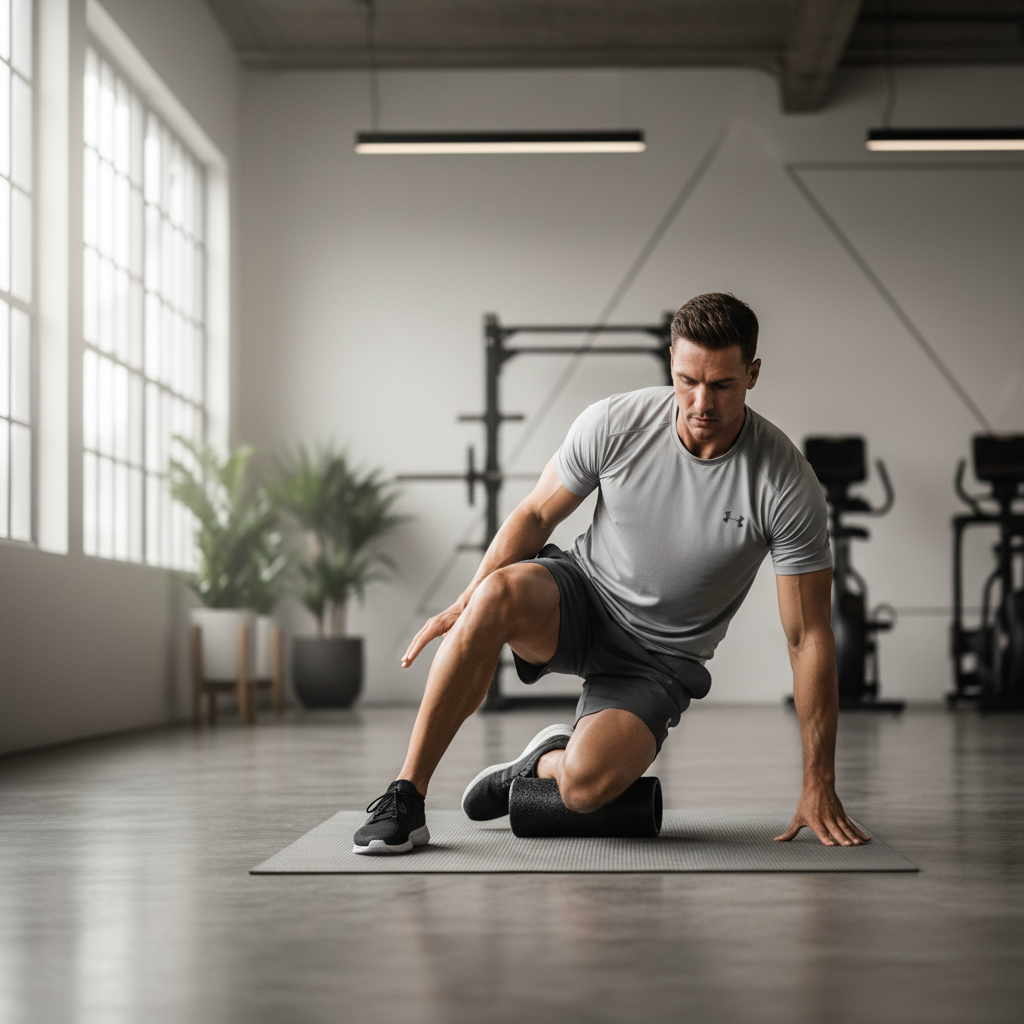
This guide helps you pick a foam roller that fits your body and routine, then actually use it for recovery: less “random rolling,” more consistent results. I’ll also flag situations where rolling is a bad idea or where a clinician makes more sense.
What foam rolling can (and can’t) do for recovery
Foam rolling is a form of self-myofascial release, basically self-massage using your bodyweight. In many cases it can improve how you feel and move after training, especially when you’re stiff or tight.
According to ACSM (American College of Sports Medicine), recovery methods should support performance and reduce discomfort without adding more stress. Foam rolling often fits that category because it’s low cost, low time, and easy to repeat, but it’s not magic.
- What it often helps: short-term flexibility, perceived soreness, and “I feel looser” movement quality.
- What it usually won’t fix: true injury, structural pain, or chronic issues rooted in training errors, sleep, or load management.
- What surprises people: a softer roller can be more effective early on because you can relax enough to breathe and stay on the tissue.
Choosing the best foam roller: the decision factors that matter
Buying a “best” roller is really choosing a tool you’ll use consistently. Here’s what typically matters in real life, especially for U.S. home-gym setups.
Density (soft, medium, firm)
- Soft: better for beginners, higher sensitivity, post-injury return, or daily rolling without dreading it.
- Medium: the all-around option for most recreational lifters and runners.
- Firm/high-density: can work for larger bodies, very tight-feeling tissue, or experienced users, but it’s also easiest to overdo.
Texture (smooth vs. ridged)
- Smooth: predictable pressure, easier to control, usually the safest starting point.
- Textured/ridged: can feel more “targeted,” but the edges may irritate if you roll too fast or press too hard.
Size and portability
- Standard (18–36 in): stable, easier for back and full-body sessions.
- Short/travel: great for calves, glutes, T-spine, and hotel workouts, less stable for beginners.
One more practical point: if you roll on hardwood, check the outer material. Some cheaper rollers scuff floors or deform over time, and once the shape changes the pressure stops feeling consistent.
Quick self-check: which roller type fits you?
If you’re stuck between two choices, use this as a quick filter. It’s not a diagnosis, just a way to avoid an obvious mismatch.
- You should lean soft to medium if you bruise easily, you’re new to rolling, you hold your breath during rolling, or you avoid doing it because it “hurts too much.”
- You can consider medium to firm if you can relax, control your breathing, and tolerate slow pressure without sharp pain.
- Texture is optional if your main goal is muscle recovery after lifting or running; smooth works for most people.
- Get a longer roller if you want to roll upper back and lats comfortably without fighting balance.
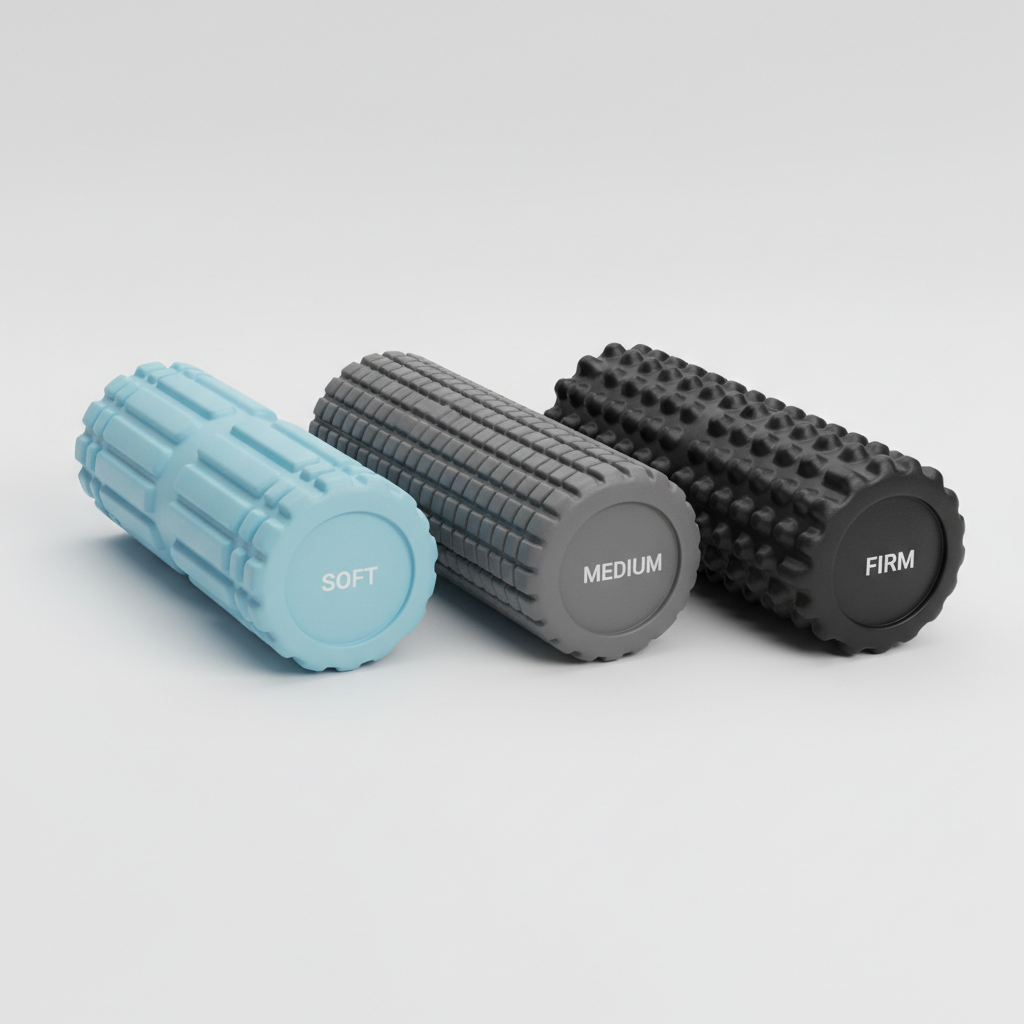
If you’re unsure, start with medium density and smooth surface. People rarely regret that choice, and it tends to be the easiest to keep using.
At-a-glance comparison table (what to buy for your situation)
These aren’t brand picks, they’re “spec picks.” Brands vary, but the pattern holds in most cases.
| Use case | Recommended density | Surface | Why it fits |
|---|---|---|---|
| Beginner, very sore after workouts | Soft to medium | Smooth | Comfort drives consistency, lower chance of over-rolling |
| Runner with tight calves/quads | Medium | Smooth or light texture | Enough pressure for calves without feeling “spiky” |
| Strength training 3–5x/week | Medium to firm | Smooth | Reliable pressure for big muscle groups |
| Mobility-focused warm-up | Soft to medium | Smooth | Better relaxation and breathing, easier to move through ranges |
| Travel and quick recovery sessions | Medium | Smooth | Portable, versatile, easier to pack and clean |
How to use a foam roller for muscle recovery (simple, repeatable routine)
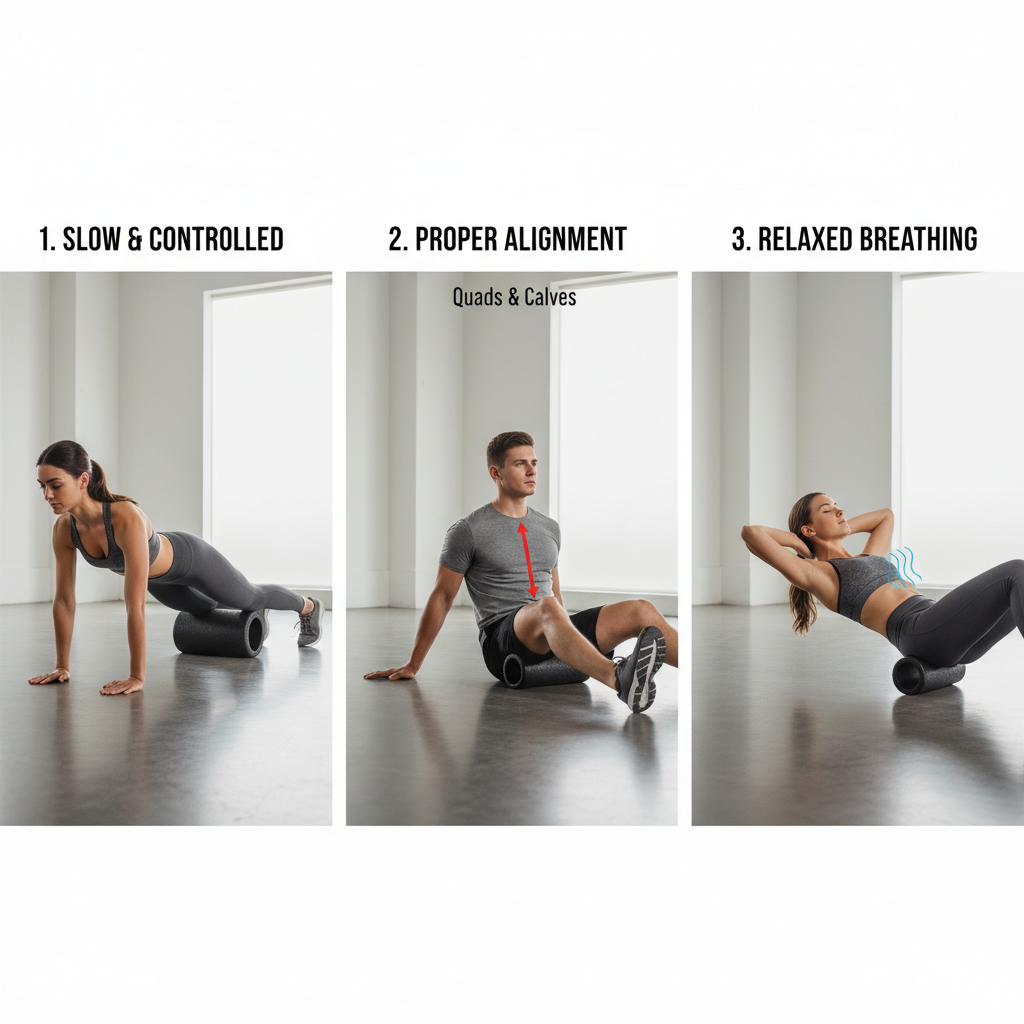
Foam roller muscle recovery improves when you treat it like a short protocol, not a punishment. Two principles keep most people on track: go slow, and keep pressure tolerable.
Timing: after training vs. off days
- After training (5–10 minutes): keep it light, focus on “downshifting” stiffness rather than digging for pain.
- Off days (10–15 minutes): you can spend more time on common tight spots and add mobility work after.
Pressure and pace rules (the part most people miss)
- Aim for 4–6/10 discomfort, uncomfortable but controllable. Sharp pain is a stop sign.
- Move slowly, roughly an inch or two per second. Fast rolling tends to skip the tissue and ramps irritation.
- Breathe. If you can’t exhale smoothly, the pressure is too high or you’re on a bony area.
A practical 8–12 minute full-body sequence
- Calves: 45–60 seconds per side
- Quads: 60–90 seconds per side
- Glutes/hips: 60–90 seconds per side
- Upper back (thoracic spine): 60 seconds total, avoid rolling directly on the low back
- Lats: 45–60 seconds per side, keep ribs relaxed
If you want “trigger point” style work, pause on a tight-feeling spot for 15–30 seconds, then ease off and move on. Chasing every tender point for minutes usually backfires.
Common mistakes that make soreness worse
Most negative foam rolling experiences come from a few predictable errors, and they’re easy to fix once you see them.
- Rolling over joints or bones (knees, shins, hip bones). Adjust your position so pressure stays on muscle.
- Going too hard because “no pain, no gain”. For recovery, excessive pressure can increase irritation and leave you more tender.
- Spending all the time on one area. If your hips feel tight, your calves and quads may be part of the story too.
- Using foam rolling to compensate for bad load management. If training volume spikes, rolling may not keep up.
A subtle one: people often roll when they’re already cold and stiff, then wonder why it hurts. A short walk, a warm shower, or a few bodyweight squats first can make the session feel dramatically better.
When to skip rolling and ask a pro
Foam rolling is generally considered low risk, but there are scenarios where caution is smarter. According to NIH (National Institutes of Health), persistent or severe pain deserves proper medical evaluation rather than self-treatment guesses.
- Skip and seek guidance if you have sharp, radiating, or worsening pain, numbness/tingling, or unexplained swelling.
- Be conservative around recent strains, tears, or post-surgical areas, a physical therapist can tell you what’s appropriate.
- Talk to a clinician if you have a bleeding disorder, take blood thinners, or bruise easily, pressure work may need modification.
If you’re not sure whether a spot is “tight muscle” or something else, that uncertainty alone is a decent reason to get a quick professional opinion.
Conclusion: the “best” foam roller is the one you’ll actually use
The best foam roller for recovery is usually a smooth, medium-density model, then you adjust from there based on sensitivity and how hard you train. Keep sessions short, keep pressure tolerable, and treat it as one piece of recovery alongside sleep, nutrition, and smart programming.
If you want an easy next step, pick one target area you feel every week, like calves or quads, and roll it for 5 minutes after two workouts. That small habit is often where results start showing up.
FAQ
How long should I foam roll for muscle recovery?
Most people do well with 5–10 minutes after training or 10–15 minutes on off days. If you go longer, keep pressure lighter so you don’t end up more tender the next day.
Is a textured foam roller better than a smooth one?
Textured rollers can feel more intense, but “better” depends on tolerance and control. For many users, smooth rollers deliver plenty of benefit with fewer flare-ups from aggressive edges.
Should foam rolling hurt if it’s working?
Some discomfort is normal, sharp pain is not. A good rule is you should be able to breathe steadily and relax your jaw, if you’re bracing, reduce pressure or switch to a softer roller.
Can foam rolling reduce DOMS after leg day?
It may help you feel less stiff and improve range of motion, which can make DOMS more manageable. It won’t erase soreness if training load, sleep, or nutrition are the main drivers.
What density foam roller is best for beginners?
Soft to medium tends to be the most beginner-friendly. Starting too firm often turns foam rolling into something you avoid, and consistency matters more than intensity for recovery.
Is it safe to foam roll your lower back?
Many coaches recommend avoiding direct heavy pressure on the low back and focusing on upper back, glutes, and hips instead. If you have back pain, it’s wise to consult a qualified professional for personalized guidance.
Do I need a foam roller if I already stretch?
Not necessarily, but they can complement each other. Many people roll briefly first, then stretch, because rolling can make stretching feel smoother and less “stuck.”
If you’re trying to make foam roller muscle recovery feel less random, it can help to pick one roller that matches your sensitivity and follow a short routine for two weeks before changing anything, consistency is usually the missing ingredient.