
Squat for glutes works, but only if your stance, depth, and torso angle actually let your hips do the job instead of dumping stress into quads and lower back. If you feel every squat in your thighs, or your knees get cranky before your glutes even wake up, you’re not alone.
This matters because glutes aren’t just “aesthetic muscles”, they help control hip extension, stabilize the pelvis, and often influence how your knees track. Many people chase heavier weights when the real fix is a small technique change or a smarter squat variation.
Below you’ll get a clear way to diagnose why your squats miss your glutes, the squat styles that usually bias glute recruitment, and practical cues you can test in your next session without overthinking it.
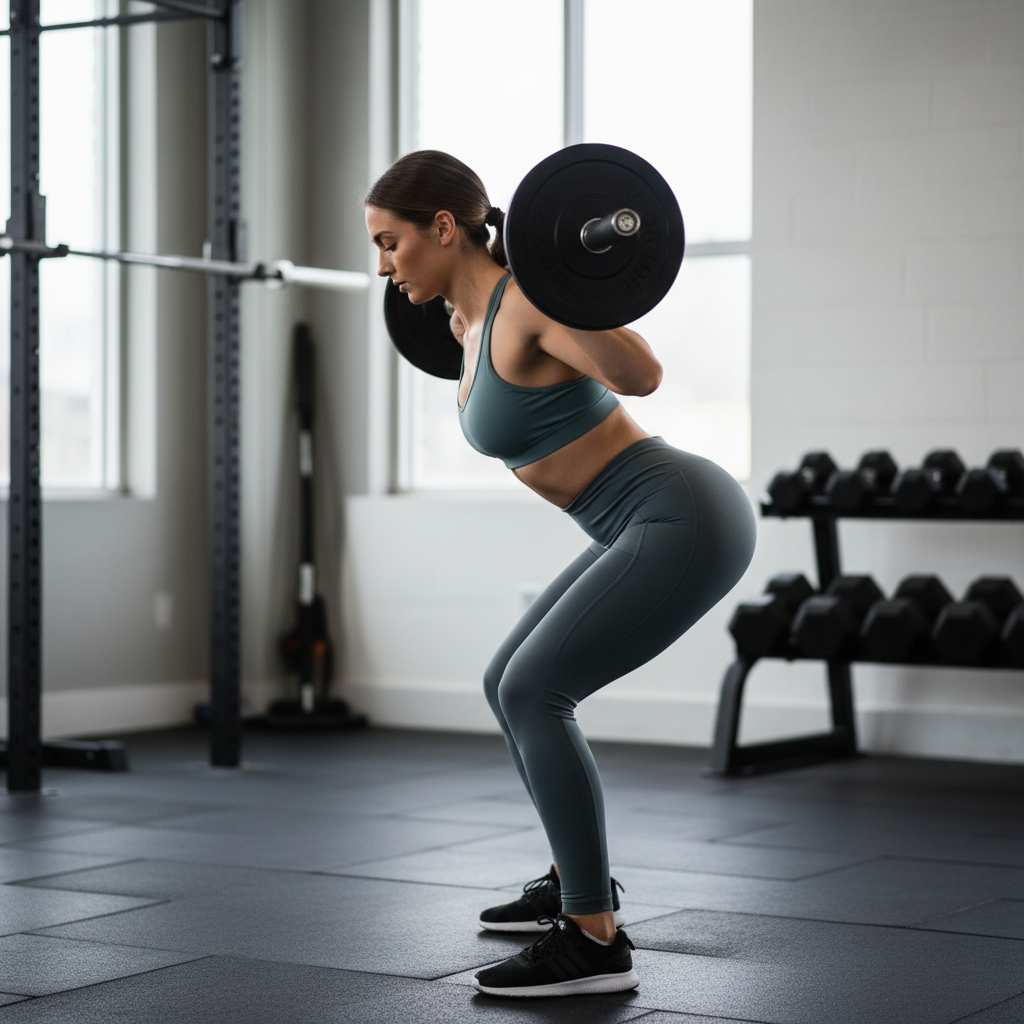
Why your squats hit quads more than glutes
Most “I don’t feel glutes” squat problems come from mechanics, not effort. Here are the usual culprits you can actually change.
- Too upright for your build: A very vertical torso often shifts demand forward, especially if you have long femurs. You may need a slightly more hip-friendly angle to load glutes.
- Depth stops where glutes start working: Many people cut reps above the point where hips get meaningful flexion, then wonder why glutes stay quiet.
- Stance doesn’t match your hip anatomy: Some lifters thrive with narrow stance, others need a bit wider with toes out. Forcing a “one perfect stance” often backfires.
- Knees cave in: Valgus collapse can reduce stable hip drive. The glutes may not contribute well when the whole system wobbles.
- Pelvis tucks hard at the bottom: Excessive “butt wink” can shift load to low back. A glute-biased squat still needs a strong bracing strategy.
According to the American Council on Exercise (ACE), exercise technique and joint alignment are central to targeting muscles effectively and reducing unnecessary strain, which is exactly what shows up when squats feel off.
Quick self-check: are you set up for glute bias?
Use this checklist before you add more weight. If you check multiple boxes, your current squat pattern may be fighting your goal.
- You feel tension mostly in the front of the thigh, even on light warm-up sets
- Your heels lift or your weight shifts to toes near the bottom
- At the bottom, you “relax” and bounce instead of staying tight
- Knees cave inward or wobble on the way up
- You can’t reach a comfortable depth without rounding your low back
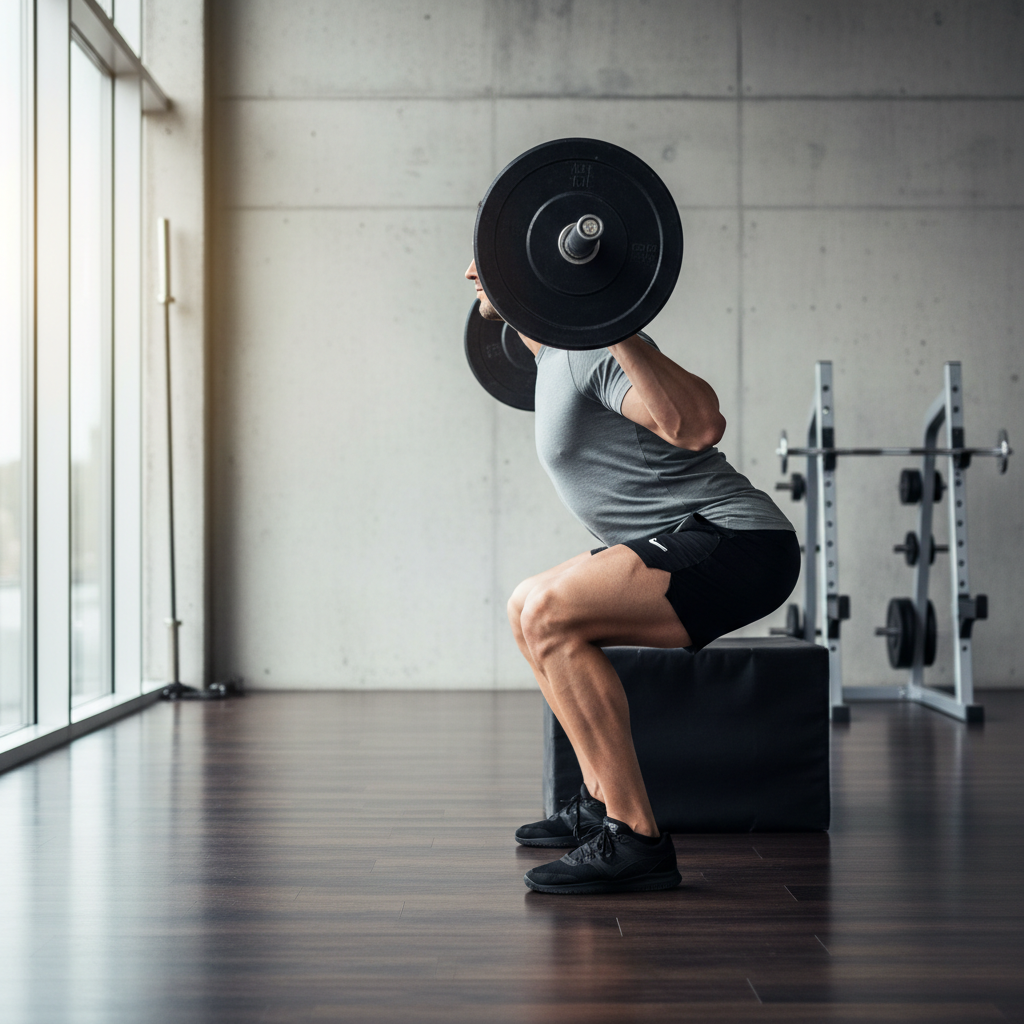
A simple test that tells a lot: do a slow bodyweight squat to a box/bench, pause for 2 seconds, then stand without bouncing. If you can’t keep your feet planted and your torso controlled, your glutes may not be getting a clean chance to contribute.
Form cues that make a squat for glutes feel different immediately
These cues are small, but they change where the load goes. Try one cue per set so you can tell what works.
1) “Ribs down, breathe into your belt”
Brace first, then move. A stacked ribcage over pelvis usually improves hip drive and keeps low back from stealing the rep. If you don’t wear a belt, imagine expanding your midsection in all directions.
2) “Sit between your heels” (not straight down)
Many people hear “sit back” and over-hinge, others squat straight down and get quad-dominant. “Between your heels” often lands in the middle and lets hips load without folding forward.
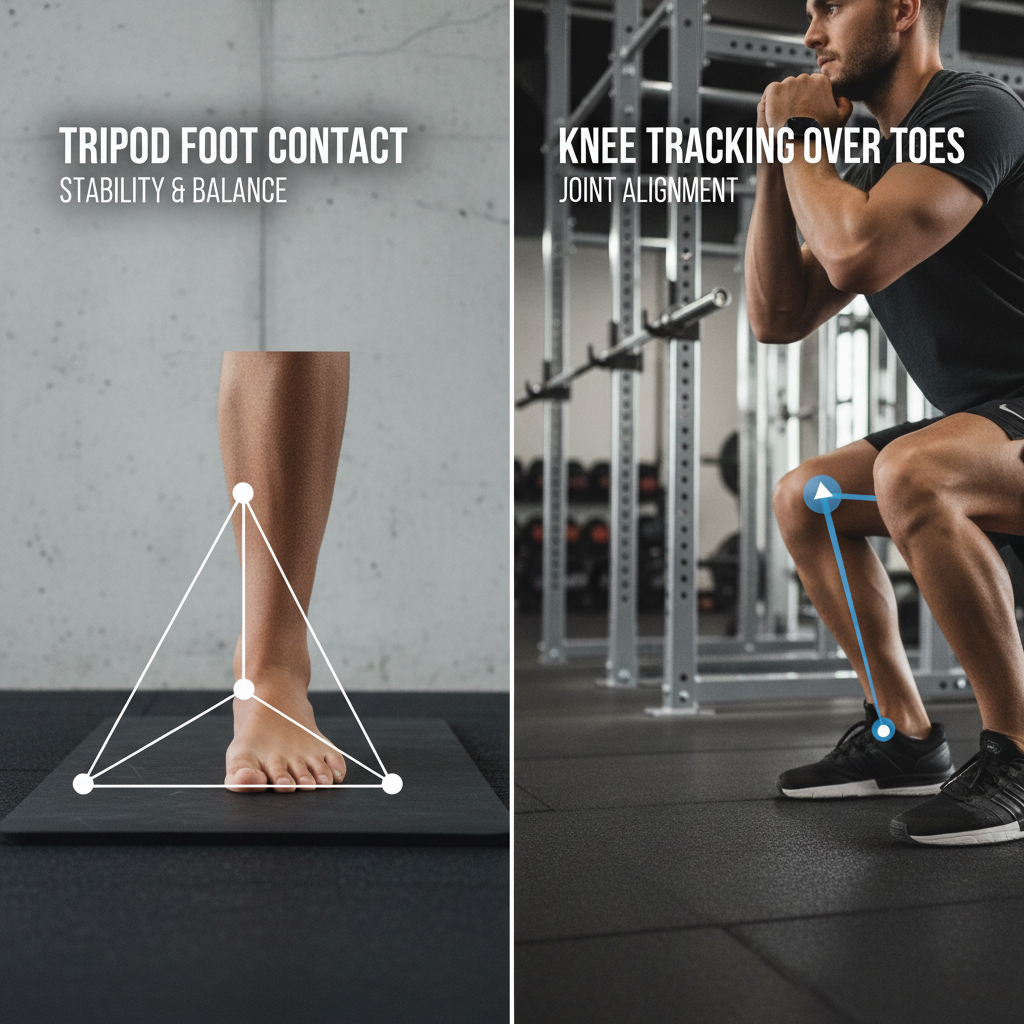
3) “Tripod foot”
Press the big toe, little toe, and heel into the floor. When the arch collapses, knees often drift and glutes lose leverage.
4) “Drive the floor apart”
This cue helps keep knees tracking over toes without aggressively forcing them out. You’re creating tension through hips, which often boosts glute contribution.
Squat variations that target glutes better (and when to use each)
Not every squat variation is equally glute-biased. The “best” choice depends on your mobility, comfort, and what you can load safely.
| Variation | Why it hits glutes | Best for | Watch out for |
|---|---|---|---|
| Low-bar back squat | More hip hinge, longer hip moment arm for many lifters | Stronger lifters chasing glute strength | Shoulder comfort, bracing demands |
| Box squat | Controlled depth and shin angle often shift load to hips | Learning hip drive, building consistency | Don’t rock back or fully relax on box |
| Wide-stance (sumo-style) squat | Often increases hip external rotation demand | People who feel glutes more with wider stance | Hip pinch if stance too wide for you |
| Heels-elevated squat | Allows depth, but can be quad-forward | Mobility-limited lifters who need depth | May not be your top glute option |
| Bulgarian split squat | More hip flexion per leg, easier to “feel” glute | Glute shape, asymmetry, limited equipment | Balance limits loading early on |
If your goal is a better “butt feel” quickly, many people do well with box squats or split squats because they reduce technique noise. Then you can bring those cues back into your main squat.
How to build a glute-focused squat session (sets, reps, order)
A practical approach: treat your main squat as skill + strength, and add a secondary movement that keeps tension on glutes without your form falling apart.
Option A: Strength emphasis (2 days/week)
- Main squat (pick one variation): 4–6 sets of 3–6 reps, rest 2–3 minutes
- Secondary squat (box squat or split squat): 3–4 sets of 6–10 reps
- Hip hinge accessory (RDL or hip thrust): 3 sets of 8–12 reps
Option B: Hypertrophy emphasis (2–3 days/week)
- Main squat: 3–4 sets of 6–10 reps, stop 1–3 reps before form breaks
- Unilateral squat (Bulgarian or step-up): 3 sets of 8–12 per side
- Glute finisher (cable kickback or band abduction): 2–3 sets of 12–20
For many lifters, a squat for glutes improves when the “glute lesson” happens early. A quick warm-up circuit like glute bridges + lateral band walks (1–2 rounds) can help you feel what you’re trying to use, but it shouldn’t exhaust you.
Common mistakes that quietly kill glute gains
These show up a lot in real training logs, and they waste months because they feel productive in the moment.
- Chasing depth at any cost: If you round hard at the bottom, you may lose glute tension and irritate your back. Use the deepest position you can control.
- Turning every rep into a bounce: The stretch reflex can hide weak positions. Try a 1-second pause for a few weeks.
- Letting knees drift forward late: Some forward knee travel is normal, but if it increases suddenly at the bottom, you often shift away from hips.
- Going too wide, too soon: A wide stance can be great, but forcing it may cause hip pinch or groin strain. Earn it gradually.
- Ignoring shoes and friction: Squishy running shoes can make you unstable. Flat, firm soles often feel better for squats.
According to the National Strength and Conditioning Association (NSCA), sound technique and progressive overload should be prioritized to improve performance and help manage injury risk, which is a good reminder to fix the pattern before adding plates.
When to get coaching or medical guidance
If you feel muscle burn, that’s normal. If you feel sharp pain, joint pain that escalates, or numbness, that’s a different category.
- Persistent knee pain that worsens week to week, even after reducing load
- Hip pinch in the front of the hip at depth that doesn’t improve with stance changes
- Low-back pain that shows up during bracing or at the bottom position
In those cases, it’s reasonable to consult a qualified coach, physical therapist, or medical professional who can assess your movement and history. Also, swapping to a more tolerable glute builder like split squats or hip thrusts can keep training moving while you sort out the limiter.
Key takeaways (keep this simple)
- Glute-focused squatting is mostly about setup: stance, depth you control, and bracing.
- One cue can change everything, but test cues one at a time so you know what worked.
- Use the right variation: box squats, low-bar squats, and split squats often make glutes easier to “find.”
- Progress comes from consistency, not constantly changing programs when soreness fades.
If you want a practical next step, pick one squat variation that feels stable, film one working set from the side, and adjust using the checklist above. Then give it 3–4 weeks before you judge results, your glutes usually respond to consistency more than novelty.
FAQ
Which squat is best if I only care about glutes?
Many people get the most glute bias from a low-bar back squat or a box squat, but “best” depends on your hip anatomy and comfort. If either bothers your joints, a Bulgarian split squat can be a cleaner glute builder.
Why do I feel squats in my quads even with a wider stance?
A wider stance can help, but it’s not automatic. If your weight shifts forward, you cut depth early, or you lose bracing, quads still dominate. Try a controlled pause and focus on keeping pressure through midfoot and heel.
How low should I squat to grow glutes?
Usually you want as much depth as you can control with a neutral spine and stable feet, because hip flexion tends to increase glute involvement. If deep squats cause pain or major rounding, use a box to standardize a safer depth.
Do I need to “push my knees out” to hit glutes?
You want knees tracking over toes, not aggressively flared out. A better cue for many lifters is “drive the floor apart,” which creates hip tension without forcing an exaggerated position.
Should I do hip thrusts if my goal is a squat for glutes?
Hip thrusts often complement squats well because they train hip extension hard without the same technique demands. If squats aren’t lighting up your glutes yet, pairing them with thrusts or RDLs can fill the gap.
How can I tell if my glutes are actually working?
A good sign is feeling effort in the back of the hip during the ascent and getting a glute pump without knee irritation. Filming your squat can help too, if hips move but knees and heels stay stable, you’re usually closer to the right pattern.
Is soreness required to know it worked?
No. Soreness varies a lot with sleep, stress, and novelty. Track performance, consistency, and whether you can maintain form as load or reps increase over time.
If you’re currently squatting consistently but still can’t “find” your glutes, it may help to get a quick form review or follow a short, structured block that pairs a glute-biased squat with the right accessories, it’s often more efficient than guessing week after week.