
Tendonitis Care is usually about two things athletes hate hearing: backing off just enough to calm the tendon, then rebuilding capacity so it stops flaring every time training ramps up.
If you keep “training through it,” many cases don’t magically resolve, they just get quieter until the next hard block, race, or lifting cycle, and that’s when people start feeling stuck.
This guide walks you through what tendonitis often is (and what it isn’t), how to self-sort your situation, and what a practical week-to-week plan can look like, with clear points where a sports medicine pro should take over.

What athletes mean by “tendonitis” (and why the label can mislead)
In sports, “tendonitis” often becomes a catch-all for tendon pain, but tendon problems aren’t all the same, and that changes the plan.
Many stubborn cases behave more like tendinopathy, meaning the tendon has an irritated, sensitive response to load, sometimes with tissue changes over time. That doesn’t mean it’s “torn,” it means it needs the right kind of loading progression.
According to the American Academy of Orthopaedic Surgeons (AAOS), tendinitis is commonly linked to repetitive stress and overuse, and early care often centers on activity modification and targeted rehab rather than simply “rest forever.”
Why tendon pain shows up in training blocks
Most flare-ups happen when tendon load rises faster than tendon capacity. Athletes usually know what they changed, they just underestimate how much it matters.
- Volume spikes: adding miles, doubles, extra practices, more jumps, more throwing.
- Intensity creep: more speed work, hills, heavy eccentrics, or max-effort sessions.
- Recovery compression: poor sleep, travel, higher stress, less easy work.
- Technique or equipment shift: new shoes, new racket, different lifting form, new playing surface.
- Strength gaps: weak calf/hip/scapular control forcing the tendon to “do the stabilizing.”
One uncomfortable truth: a tendon can feel okay during warm-up, then sting later that night or the next morning. That delayed reaction is a common reason people misjudge how much they can handle.
Quick self-check: are you dealing with a manageable flare-up or something else?
You can’t diagnose yourself perfectly, but you can make smarter choices. Use this as a sorting tool, not a badge of courage.
Often fits a typical tendon overload pattern
- Pain sits at a tendon or tendon-to-bone area (Achilles, patellar, rotator cuff region, lateral elbow).
- Stiffness is worse at first steps or first reps, then eases as you warm up.
- Soreness returns later or next morning after a hard session.
- You can still move the joint, but certain loads trigger a sharp “nope.”
Red flags: consider prompt medical evaluation
- Sudden pop, immediate weakness, visible deformity, or inability to bear weight.
- Rapid swelling, significant bruising, or escalating pain over 24–48 hours.
- Numbness, tingling, fever, or unexplained systemic symptoms.
- Pain that fails to improve at all after 2–3 weeks of sensible load reduction.
According to the American College of Sports Medicine (ACSM), returning to sport after injury is safest when symptoms, function, and sport demands are matched progressively, not rushed by calendar dates.
A practical Tendonitis Care plan: calm it down, then build it back up
Tendonitis Care works best as a phased approach. The goal is not “zero pain,” it’s predictable symptoms that trend the right way while strength returns.
Phase 1: Set a baseline (3–10 days for many athletes)
- Reduce the main trigger: drop hill repeats, plyos, heavy negatives, or high-volume throws, whatever spikes symptoms.
- Keep training around it: swap to bike, swim, or easy technique sessions if they stay under your symptom ceiling.
- Use a simple rule: mild discomfort during activity can be acceptable, but pain should not climb session-to-session, and next-day stiffness should not trend worse.
If you’re using pain relievers, keep it conservative and consider talking with a clinician, masking pain can lead to accidental overload.
Phase 2: Reload the tendon (2–8+ weeks, varies a lot)
This is where most athletes either improve fast or spin their wheels. Tendons often respond to progressive strength work when it’s dosed correctly.
- Isometrics (static holds) for pain modulation and early loading tolerance.
- Slow heavy resistance (controlled reps) to build capacity.
- Sport-specific reintroduction once daily function and strength improve.
Phase 3: Return to performance without re-triggering
- Bring back speed, jumps, or heavy days in small doses.
- Keep 1–2 tendon-focused strength sessions weekly for several months.
- Track the “morning-after” response, it’s often the most honest feedback.
Simple table: what to adjust by tendon site
Different tendons hate different things. This table gives a starting point, but individual response matters more than rules.
| Tendon area | Common aggravators | Often helpful early swaps | Rehab emphasis |
|---|---|---|---|
| Achilles | Hills, speed work, sudden mileage spikes | Flat easy runs, cycling, pool running | Calf strength, progressive loading, gradual plyos |
| Patellar (jumper’s knee) | Jumping, deep knee flexion under load | Tempo work without jumps, partial-range strength | Quad strength, load management, landing mechanics |
| Lateral elbow | Grip overload, repetitive wrist extension | Reduce gripping volume, modify equipment | Forearm strength, grip dosing, technique tweaks |
| Rotator cuff region | Overhead volume, poor scapular control | Limit overhead sets, adjust range and tempo | Scapular strength, cuff endurance, gradual return to throws |
Do-this-today actions most athletes can handle
When pain shows up, people either do nothing or do everything at once. A calmer middle ground usually wins.
- Pick one primary lever: reduce volume or reduce intensity, don’t nuke both unless symptoms demand it.
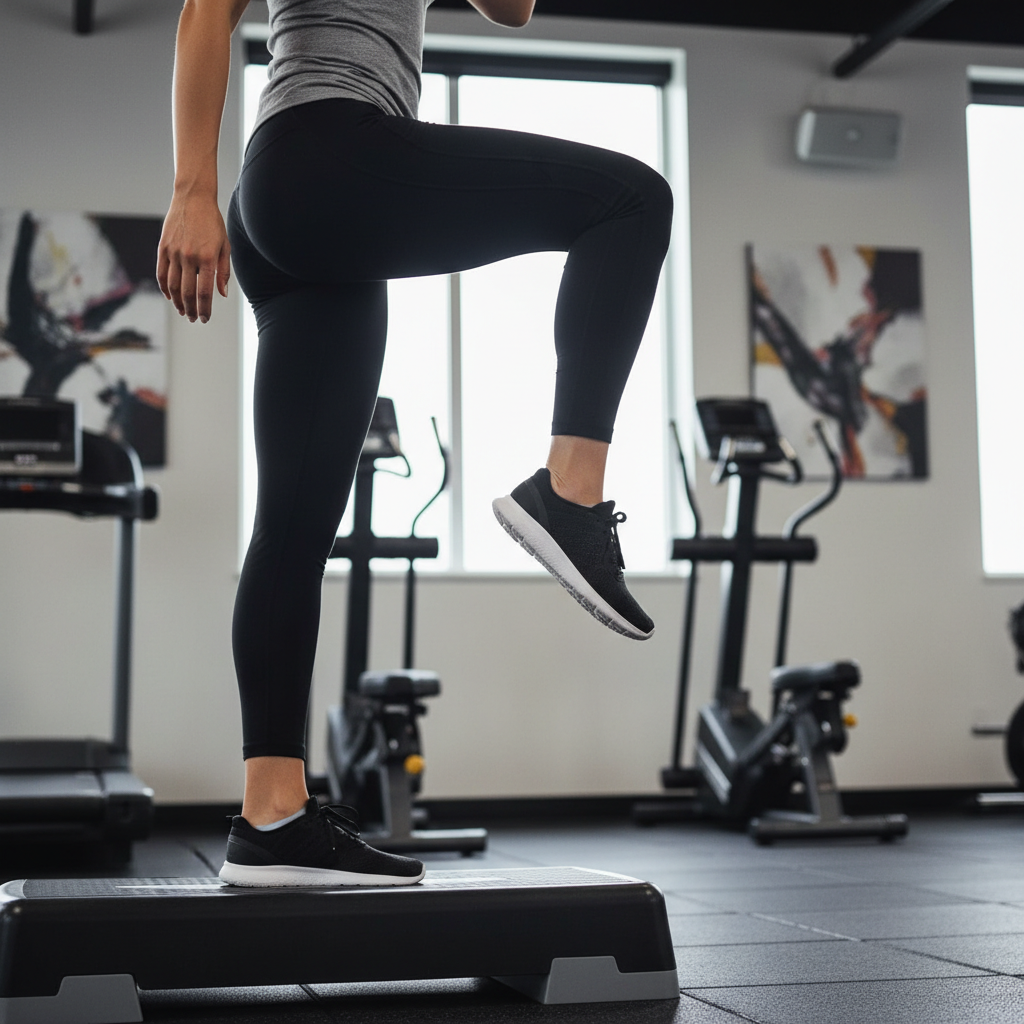
- Schedule rehab like training: 10–20 minutes, 3–5 days/week often beats one heroic session.
- Warm-up longer: tendons often prefer gradual ramp-up over sudden loading.
- Stop “testing it” constantly: repeated max jumps or max grip checks can keep it irritated.
- Sleep and nutrition: not sexy, but connective tissue recovery depends on it more than most athletes want to admit.
If you want a single anchor habit, make it this: track symptoms on waking, then adjust that day’s plan based on trend rather than mood.
Common mistakes that slow recovery (even with good intentions)
- Resting until it feels fine, then returning to the same load that triggered it.
- Doing random rehab exercises without progression, tendons usually need a plan that gets harder over time.
- Assuming stretching solves it; mobility may help comfort, but capacity usually comes from strengthening.
- Chasing a “magic modality” while ignoring load management.
- Letting pain decide everything; a measured symptom rule works better than fear or bravado.
According to the National Institute of Arthritis and Musculoskeletal and Skin Diseases (NIAMS), treatment for tendon problems often involves rest from aggravating activity plus specific exercises and gradual return, and severe cases may need medical care.
When to see a professional (and what to ask so the visit is useful)
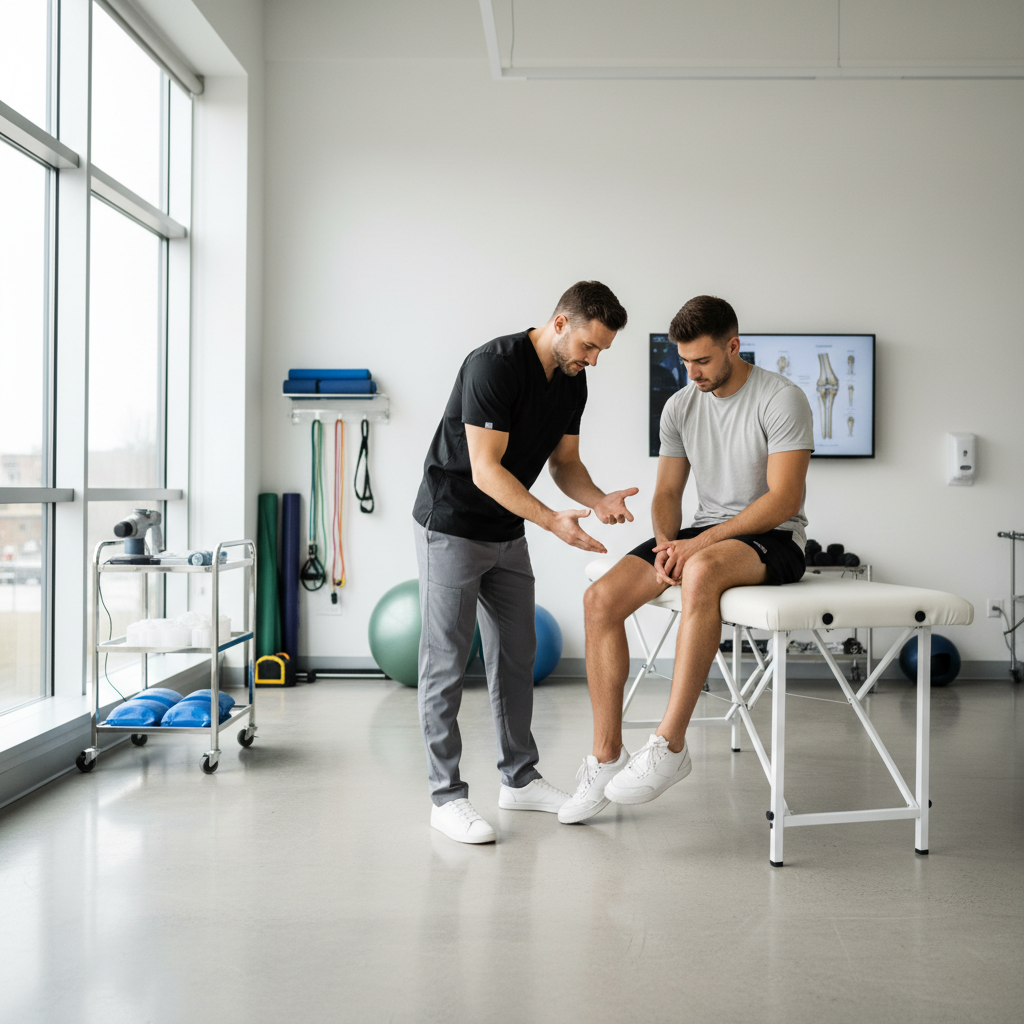
If Tendonitis Care at home doesn’t change the trend, a sports PT, athletic trainer, or sports medicine clinician can help you find the missing piece, which is often load dosing, technique, or an overlooked diagnosis.
- Symptoms linger beyond a few weeks despite smart adjustments.
- You keep relapsing every time training increases.
- You suspect a tear, a stress injury, or nerve involvement.
- You need a return-to-play plan tied to your sport calendar.
Helpful questions to bring:
- “What loads should I avoid for now, and what loads are safe to keep?”
- “What objective markers show I’m ready to progress?”
- “Can you outline a 4–6 week progression I can follow?”
Key takeaways for athletes
- Tendon pain usually responds to smart loading, not endless rest or constant testing.
- Use next-morning symptoms to judge whether your plan works.
- Strength work with progression often matters more than passive treatments.
- Red flags like a pop, bruising, or sudden weakness deserve prompt evaluation.
Conclusion: protect the season by managing the tendon, not just the pain
If you keep one idea from this, keep the idea that a tendon wants consistency, calm progression, and patience that still feels athletic. Trim the trigger, keep what training you can, and rebuild capacity on purpose.
If your next seven days include one change, make it a written plan: what you will reduce, what you will keep, and what strength work you will progress, then reassess with your morning-after symptoms.
FAQ
How long does tendonitis take to heal for athletes?
It varies a lot by tendon site, how long symptoms linger, and how you manage load. Many mild flare-ups settle in days to a couple weeks, while longer-running tendinopathy can take several weeks or more of progressive rehab.
Should I stop training completely with tendon pain?
Not always. Many athletes do better keeping training that stays under a symptom ceiling while removing the main aggravator. If pain is sharp, worsening, or affects normal walking or daily use, a bigger pullback and a professional opinion may make sense.
Is ice or heat better for tendonitis care?
Ice can help short-term pain after activity, while heat may feel better for stiffness before training. Neither replaces load management and strength progression, which usually drive longer-term improvement.
Can stretching fix tendonitis?
Stretching can reduce the “tight” feeling, but tendon issues often need capacity work. If stretching increases pain at the tendon insertion, that’s a sign to be cautious and prioritize strengthening guidance.
What exercises help most with tendonitis care?
Often a combination of isometrics and slow resistance training, progressed over time, works well. The best exercise depends on tendon location and irritability, which is why a clinician-designed plan can speed things up for recurring cases.
How do I know if I’m making it worse?
Look for trends: rising pain during sessions, increasing next-day stiffness, or a shrinking amount of activity that triggers symptoms. If the tendon feels more reactive week to week, scale back and consider an evaluation.
Do braces, straps, or taping help tendonitis?
Sometimes they reduce symptoms enough to train, especially with patellar straps or elbow supports. Treat them as a temporary aid, not the whole plan, and keep rehab progressing underneath.
If you’re trying to keep training while dialing in Tendonitis Care, a sports physical therapist or athletic trainer can be a huge time-saver, especially when you need a clear progression, exercise form checks, and return-to-sport milestones that match your calendar.