
how to keep feet warm cycling winter comes down to two things most riders underestimate, blocking wind and keeping circulation decent inside your shoes.
If your toes go numb 20 minutes into a ride, it’s rarely because you “need warmer socks” in general, it’s usually a mismatch between moisture, wind exposure, and a too-tight setup that quietly cuts blood flow.
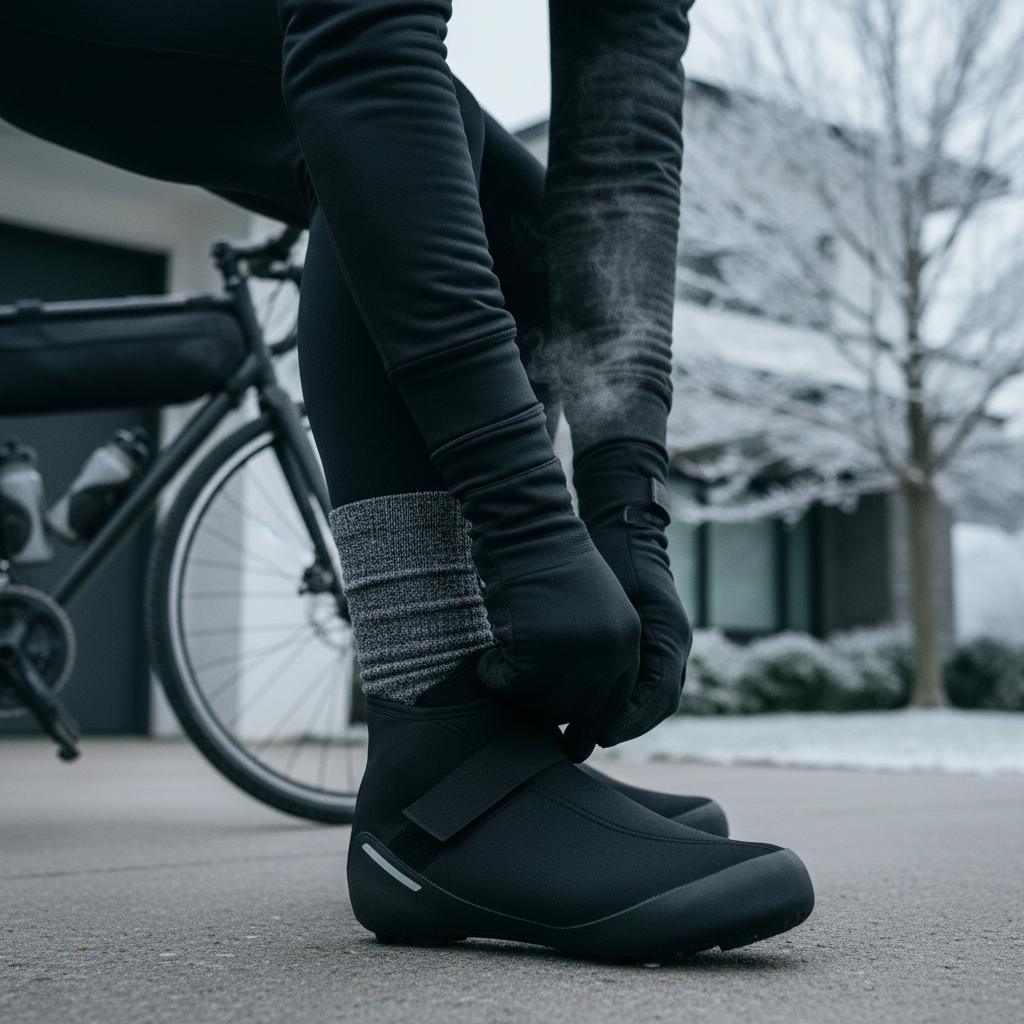
This guide walks through practical choices that actually change comfort, socks that work with your shoe volume, overshoes that stop convective heat loss, and small habits that keep feet warmer without turning your setup into a science project.
Why your feet get cold on winter rides (it’s not just “cold air”)
Cold feet usually show up when multiple small problems stack up, and winter cycling makes those problems louder.
- Wind chill through the shoe, most cycling shoes vent well, which feels great in summer and brutal in January.
- Restricted circulation, thicker socks or extra insoles can make shoes feel “snug” while quietly compressing the top of your foot, toes lose warmth first.
- Moisture from sweat, damp socks conduct heat away fast, even if air temperature is not extreme.
- Long, low-intensity riding, easy winter base miles often mean lower metabolic heat output, your body protects core temperature and “sacrifices” toes.
- Bike fit and posture, a too-low saddle or cramped forefoot position can increase pressure points and numbness that mimics cold.
According to Centers for Disease Control and Prevention (CDC)... cold exposure can contribute to cold-related injuries like frostbite, and numbness is a warning sign worth taking seriously.
Quick self-check: what kind of “cold feet” do you have?
Before buying new gear, get clear on the pattern, it tells you what to fix.
- Numb toes + tight feeling: likely circulation or shoe volume issue, adding thicker socks may backfire.
- Toes cold but not numb: often wind penetration, overshoes or winter shoes usually help most.
- Feet start warm then get cold: moisture buildup or pacing that drops body heat over time.
- One foot colder than the other: cleat position, pressure, or minor fit asymmetry, check insoles and strap tension.
- Cold only on descents: wind chill, toe caps, overshoes, or changing socks won’t fix it alone.
Key point: if you can’t comfortably wiggle toes in your “winter setup,” you’re probably trading warmth for compression.
Layering for warmth: socks, insoles, and the fit trap
People search for how to keep feet warm cycling winter and end up buying the thickest sock they can find, then wonder why toes go numb. Warmth comes from trapped air and circulation, not bulk alone.
Socks that usually work better
- Merino wool or merino blend: stays warmer when damp and manages odor well, many riders prefer it for long winter blocks.
- Thin liner + midweight sock: helpful if your shoes have enough volume, the liner reduces friction and can feel warmer than one overly thick sock.
- Avoid heavy compression at the forefoot: mild support is fine, but tight toe boxes reduce blood flow.
Insoles and toe-space hacks (small, but real)
- Thermal insole: can reduce heat loss to the cleat area, but don’t stack too many layers.
- Aluminum heat-reflective insole: some riders like these in very cold conditions, comfort varies by shoe shape.
- Loosen the front: many riders overtighten the lower BOA/strap, keep the heel secure but give toes room.
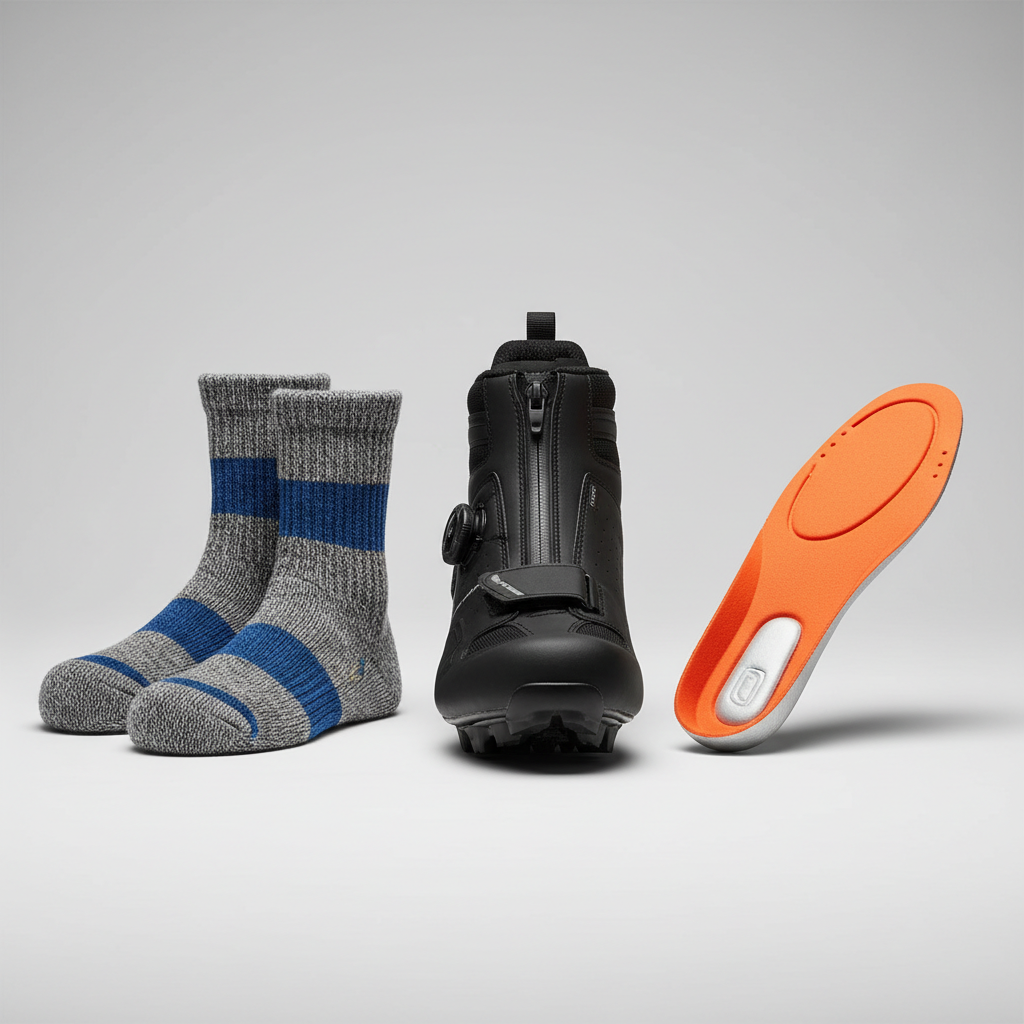
If you routinely add thickness to “solve” cold, consider the opposite test, wear a slightly thinner sock, loosen the forefoot, then add wind protection outside the shoe. Many cases improve immediately.
Stop the wind: toe covers, overshoes, and winter shoes
Wind is the silent killer for toes. Blocking airflow often beats adding insulation, especially for road riding.
| Option | Best for | Trade-offs |
|---|---|---|
| Toe covers | Cool-to-cold rides, short commutes | Limited coverage, not great in wet slush |
| Neoprene overshoes | Windy road rides, steady winter temps | Can trap moisture, sizing can be finicky |
| Insulated/waterproof overshoes | Wet cold, mixed precip | Bulkier, sometimes less “road feel” |
| Dedicated winter cycling shoes/boots | Regular sub-freezing rides | Cost, storage, cleat compatibility varies |
In practice, a lot of riders do well with a simple progression, toe covers for mild cold, neoprene overshoes when wind starts biting, then winter shoes if you ride through deep winter often.
Moisture management: warm feet hate sweat and slush
If your socks get damp early, no amount of insulation feels stable. Keeping feet warm in winter cycling often means staying just a touch cooler overall so you sweat less.
- Start slightly underdressed: you should feel a little cool in the first 5–10 minutes, then level out.
- Choose overshoes by conditions: waterproof models help in slush, but can trap sweat on longer rides.
- Bring a dry pair for long rides: for endurance days, swapping socks mid-ride can be a reset, especially after rain or heavy sweat.
- Dry shoes properly: pull insoles out, open closures, let them dry fully, persistent dampness makes the next ride colder.
According to National Weather Service (NWS)... wind chill can accelerate heat loss; when moisture is present, the comfort window gets even narrower, so “dry + wind-blocked” matters.
Pre-ride and on-bike tricks that actually help
Gear matters, but habits decide whether the system works.
Before you roll out
- Warm feet before putting shoes on: if toes start cold, they tend to stay cold, a warm indoor floor or a quick hot drink can help.
- Don’t crank straps early: leave the forefoot slightly looser, tighten later only if you need stability.
- Check cleat bolts and vents: some shoes have vent holes near the sole, tape can reduce drafts in truly cold conditions, but be careful not to damage the shoe.
While riding
- Keep cadence up: low cadence grinding can reduce circulation to feet for some riders.
- Wiggle toes on long descents: small movement helps blood flow without changing your line.
- Eat and drink: if you bonk, your body stops “wasting heat” on extremities, fueling is a warmth tool.
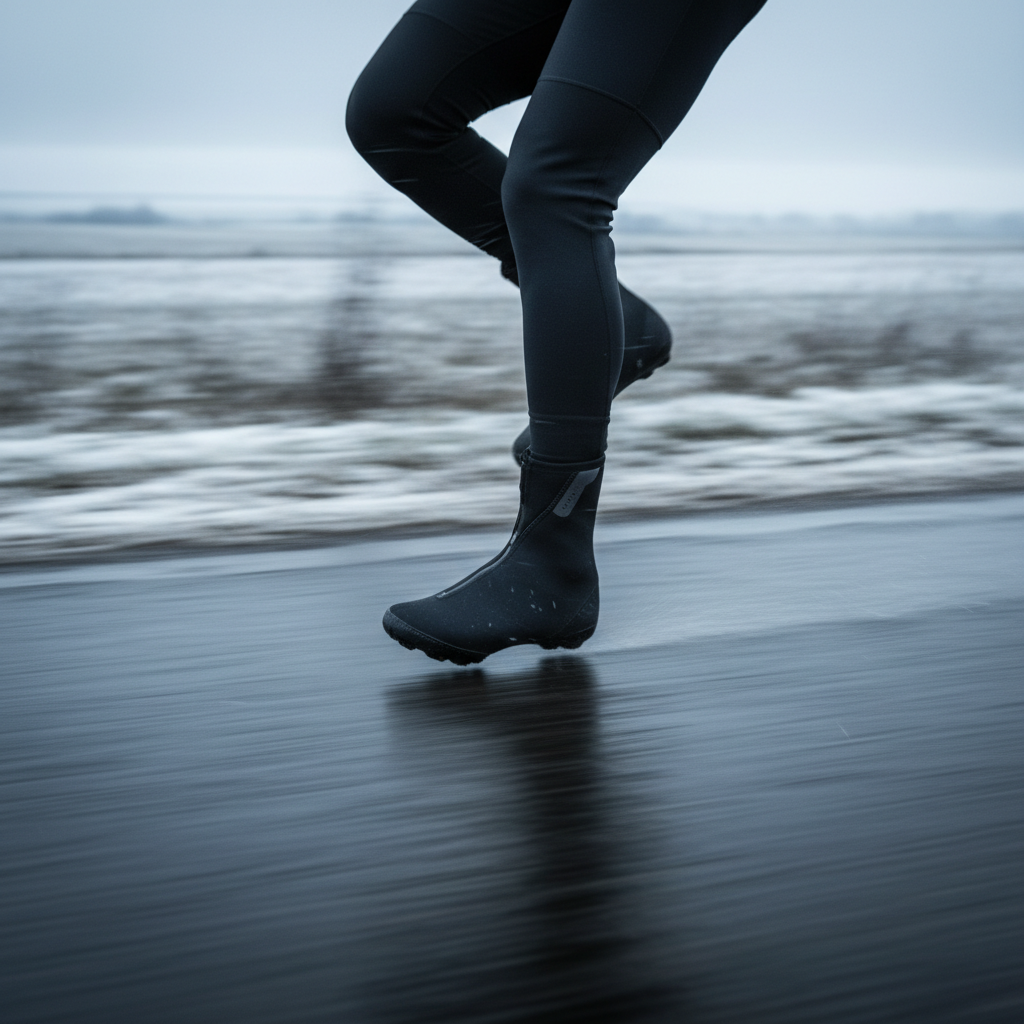
If you’re still freezing despite good overshoes, that’s often the moment to revisit shoe volume and pressure points, not to stack yet another sock.
Common mistakes (and what to do instead)
- Mistake: doubling up thick socks in tight shoes
Try: one high-quality wool sock, loosen forefoot, add wind protection outside. - Mistake: ignoring numbness
Try: treat numb toes as a stop-and-fix signal, take a break indoors if needed, persistent numbness deserves medical advice. - Mistake: buying the warmest overshoe but letting water in at the ankle
Try: pair with tights or gaiter-style coverage that overlaps cleanly. - Mistake: overdressing the torso
Try: reduce sweating by dialing back one layer up top, then keep feet drier. - Mistake: assuming “winter shoes” solve everything
Try: confirm they fit with your sock plan, too-tight winter boots still go cold.
When to get extra help (bike fit, circulation, or safety concerns)
If cold feet come with persistent numbness, color change, unusual pain, or symptoms that linger after the ride, it’s smart to consult a healthcare professional to rule out circulation or nerve issues.
If the pattern is one-sided or shows up only under load, a reputable bike fitter can often spot cleat placement problems, saddle height issues, or shoe support gaps that make winter discomfort much worse.
Practical wrap-up: a simple plan for warmer toes
Most riders get better results by fixing the basics in order, circulation first, then wind blocking, then moisture control. That’s the core of how to keep feet warm cycling winter without overcomplicating your kit.
For your next cold ride, try two actions, loosen the forefoot one click and add a wind-blocking layer like toe covers or overshoes, then reassess after 30 minutes instead of guessing in the garage.
Key takeaways
- Warmth needs space: toe wiggle room often beats thicker socks.
- Block wind early: overshoes can change everything on exposed roads.
- Stay dry: manage sweat and dry shoes fully between rides.
- Don’t push through numbness: it can signal a safety issue, not just discomfort.
FAQ
- What socks are best for winter cycling?
Many riders prefer merino wool because it stays warm when slightly damp, just make sure your shoes still have toe room. - Are neoprene overshoes worth it?
Often yes for windy cold rides, they block airflow well, but they can trap sweat, so your sock choice and pacing still matter. - Why do my feet get colder when I wear thicker socks?
Thicker socks can reduce circulation by tightening the shoe fit, especially over the top of the foot and around the toes. - Do toe covers work in freezing temperatures?
They can help in mild-to-cold conditions, but in deep cold they’re usually not enough without an overshoe or winter shoe. - How do I keep feet warm on long descents?
Prioritize wind blocking and consider toe covers under overshoes, also wiggle toes and avoid over-tightening closures before the descent. - When should I buy winter cycling shoes?
If you ride sub-freezing conditions regularly and overshoes aren’t cutting it, dedicated winter shoes can be a solid upgrade, assuming the fit works with your sock system.
If you’re trying to simplify your winter setup, a good next step is to pick one reliable wind-blocking option and build socks around shoe fit, not the other way around, it saves money and usually keeps rides more comfortable.